
How to announce a death in Vermont clearly and respectfully
A practical guide for families and drivers: announce a death in Vermont with steps, choices, and tips that fit a vehicle-minded reader's needs.

When a death touches your family, sharing the news with care is essential. This guide explains how to announce a death in Vermont in a respectful, straightforward way, keeping practical needs in mind. You’ll find steps for notifying relatives, planning public notices, and handling the logistics from a vehicle owner’s perspective.
Start with the family’s preferred tone and audience, then choose the right channel—family circle first, then public notices if needed. The goal is clear information, not drama, so keep the message concise and accurate. Consider accessibility and timing to reduce confusion or delays during a stressful period.
Finally, plan for follow-up notices and updates as details emerge. If a car-ownership angle matters—such as coordinating travel for family members or arranging funeral transport—note those practicalities to keep errands from piling up. The core rule is simple: tell the essential people first, then use straightforward language for the rest.
- Start with close family and then broader circles. Use the smallest effective notice.
- Choose the channel that matches the audience and local norms.
- Be precise with names, dates, and location details for services.
- Coordinate any transport needs when your vehicle is involved in plans.
Basics of the notice
Who to inform first
Begin with immediate family and close friends, then extend to other relatives as appropriate. A short, factual message avoids confusion and reduces anxiety for those receiving it. If you’re coordinating from a car or home, prepare a brief message you can reuse in different formats. announce a death in Vermont is a key phrase to introduce the message to local outlets.
- Start with the closest family
- Keep language clear and accurate
- Choose the right channel for the audience
In this H2, consider whether the death requires a formal obituary or a lighter notice in a local paper. The tone should match Vermont customs and the family’s preferences. Remember that accuracy matters more than speed in these early steps.
- Notify closest family first
- Confirm key details with a second person
- Prepare a short version for quick messages
- Notify closest family first
- Confirm key details with a second person
- Prepare a short version for quick messages
- Decide on formality level for the notice
Choosing channels
Select channels based on reach and impact. A private notice via a phone call or email is often followed by a public obituary if required. In Vermont, consider local norms for sharing news before posting in public spaces.
Public notices should be concise and verifiable: names, date of death, funeral plans, and a point of contact. If you’re driving trips or coordinating rides, add travel notes to the message so relatives understand practical steps.
When in doubt, start with the people who will be affected first and expand gradually. Avoid repeating details that may overwhelm recipients.
- Private message first
- Public notice if needed
- Include essential details only
- Offer a clear point of contact
Legal and public notices

Obituary vs public notice
An obituary provides more detail than a basic death notice and is often submitted to a newspaper or funeral home. A brief public notice may suffice for communities that rely on local outlets for information. Choose the format that fits your needs and Vermont norms. Vermont Post online should be considered when planning a formal public notice.
- ☐ Decide obituary or notice
- ☐ Verify names and dates
- ☐ Choose publication channels
- ☐ Assign a single contact
Obituaries require careful wording and verification of names and dates. If you manage a car or home logistics, it helps to have a single point of contact to handle questions and requests. Be precise about service times and locations.
Public notices should avoid speculation and focus on verified facts. If you publish online, ensure the headline and first sentence are directly informative.
- Obituary for detail
- Public notice for brevity
- Verify all facts before publishing
- designate a contact person
Public posting tips
Post notices where they serve the right audience without clutter. Vermont residents often respond to local newspapers, community boards, and official county sites. If a vehicle is involved in travel to services, note transportation plans clearly.
Keep notices accessible: plain language, larger print if needed, and consistent formatting. Include a link or contact for more information if allowed. Public posts should be easy to skim and understand.
Provide follow-up updates as plans form, avoiding contradictory messages. Consistency builds trust during difficult times.
- Select relevant outlets
- Use clear, plain language
- Include travel or service details if appropriate
Practical timing for neighbors and drivers
Timing for messages
Release timing should balance sensitivity with the need for information. Family members may need early notice before wider sharing. For drivers coordinating travel, publish details when travel plans are stable enough to avoid last-minute changes. Vermont events calendar can host event details for practical planning.
If you drive relatives to services, plan routes and pickup times in the notice. Mention parking or access instructions to prevent confusion on the day.
Keep a short window between the initial notice and public postings to avoid conflicting information.
- Respect family timing
- Coordinate travel details
- Provide clear access instructions
- Avoid last-minute changes
| Method | Pros | Cons |
|---|---|---|
| Obituary | More detail; widely shared | Requires careful wording and verification |
| Public notice | Concise; quick reach | Less personal; limited info |
| Online posting | Easy updates | Requires consistent phrasing |
Contingencies for delays
Not all details are ready at first notice. Include a note that information will be updated as plans develop. Provide a single contact for updates to avoid mixed messages.
If a hearse, shuttle, or private vehicle plans are pending, explain the process and where to check for changes. This keeps neighbors informed without speculation.
Reassess the notice if plans change materially, and communicate those changes promptly.
- State updates will follow
- Offer a single point of contact
- Explain pending logistics
- Reassess and inform as needed
Consider who should receive the notice: close family, friends, coworkers, and local churches may want a direct notice.
Options for notices
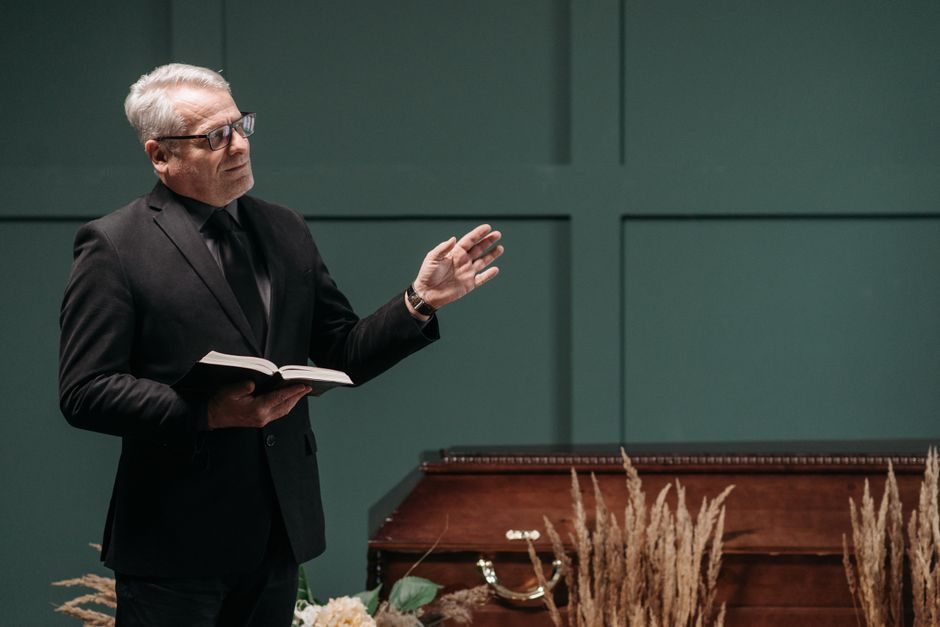
Public notice basics
Start with a simple announcement that clearly states who has died, the date of death, and the intended funeral or memorial plans. Include surviving family members and the location of services if available. Keep the tone respectful and avoid unnecessary detail that could be painful to readers. business directory in Vermont may be useful for communicating logistics and service notices.
Consider who should receive the notice: close family, friends, coworkers, and local churches may want a direct notice. Identify the primary contact person for RSVPs or questions and provide a reliable phone number or email. If someone is handling arrangements, note their role and relationship briefly.
Provide options for distribution: newspaper, online obituary, and social posts. Explain how each channel reaches different audiences—neighbors, colleagues, and long-distance relatives. Offer a short checklist to ensure no essential group is missed.
- Identify the primary contact for notices
- Choose the channels (print, online, social)
- Draft a concise, respectful message
- Provide funeral or memorial basics
Online vs print
Choosing the right channel
Online notices reach people quickly and are easy to update if plans change. They work well for broad audiences and can link to longer tributes or donation information. Print notices provide a physical presence in the community and can be kept for records. sell second-hand items in Vermont
Balance timing with platform norms: post digital notices early, but ensure print ads have accurate dates and locations. Consider local newspaper deadlines and printing schedules to avoid missed runs. Keep the tone consistent across channels to prevent mixed messages.
Coordinate with a trusted family member to manage responses online and in print. Prepare a short FAQ to address common questions and reduce repetitive inquiries.
- Offer a short online tribute link
- Schedule print deadlines with the newspaper
- Keep dates and names exact across channels
- Assign a point person for replies
Local resources

Where to look for help
Community centers, funeral homes, and religious organizations often have templates and checklists for notices. Contact the local library or city hall; they may publish notices or provide guidance on etiquette and timing. Use these resources to avoid duplicating efforts and to respect local customs.
- Sending notices too late; fix by posting promptly after plans form
- Inaccurate service details; double-check dates and locations
- Overloading the notice with personal history; keep it concise
Ask about cost considerations and accessibility options, such as large-print or translated materials. Local resources can also suggest volunteer drivers or meal trains that help families during the days after a death. Leverage community networks to share information efficiently.
Maintain a single source of truth for the notice and update it as plans evolve. If a family member handles communications, keep them informed of any responses so the message remains consistent.
- Tap funeral home guidance
- Consult libraries or city offices
- Ask about accessibility and language needs
- Coordinate updates to stay consistent
Travel and caregiving
Managing distance and care
If family members live far away, designate a single contact who handles all notices to avoid confusion. Provide a map or directions for travelers and mention parking or accessibility details for the funeral home. This helps reduce last-minute phone calls and delays.
Schedule transportation and lodging early when possible; offer neighbors or coworkers a clear plan for assisting with errands or meals. For long trips, share a simple itinerary so relatives know where to meet and what to expect. Include any required documents or tickets for travelers.
Explain how caregiving duties intersect with notices: if someone in the family needs ongoing support, outline how attendees can contribute or coordinate with volunteer groups. Keep a calm, organized message to prevent rumors or miscommunication.
- Appoint a single notice point person
- Provide travel details for attendees
- Coordinate lodging and meals
- Share a simple traveler itinerary
Frequently asked questions
What should I include in a Vermont death notice?A Vermont notice should state who died, the date, and basic service details. Keep it brief, respectful, and free of overly personal information. If the family requests, include a short line about survivors and a note on where condolences may be sent.
Is it necessary to publish in a newspaper?No, it is not strictly necessary, but many communities still rely on local papers for broad reach. Online notices are quick and easy to update, while print notices provide a lasting community record. Families often use both to ensure coverage.
How soon should notices go out after a death?Aim to publish or share notices within a few days of plans being finalized. Early notices help neighbors and colleagues plan attendance, parking, and travel, reducing last-minute confusion.
How do I handle responses and condolences?Designate one person to manage replies to avoid duplication. Provide a single contact method, such as an email or phone number, and consider a simple online form for RSVPs and messages.
Closing note and next steps
With notices prepared, keep a single channel for updates to prevent mixed messages. This helps neighbors, colleagues, and distant relatives stay informed and respectful.
Now, finalize the list of recipients and post times, and share a clear point of contact for questions. The next step is to confirm transportation and parking details with the venue and the funeral home to avoid congestion.
Add Auto News as a preferred source on Google


