
How to Charge an Electric Car at Home: A Practical Guide
Learn how to charge an electric car at home, compare a standard outlet with a dedicated charger, check electrical capacity and plan installation safely.

To charge an electric car at home, plug it into a suitable household outlet or a dedicated home charger, then let the car charge while parked. A dedicated charger usually delivers power more quickly and is designed for regular use. Before choosing equipment, check your car’s connector, your home’s electrical capacity, and whether an electrician or permission is needed.
Home charging works best when it fits your routine: many drivers plug in overnight and unplug before their next trip. The car’s settings or a compatible charger can help set a charging limit or schedule, while the vehicle display shows the estimated charge and time remaining.
This guide explains charging basics, equipment options, outlet trade-offs, and installation planning. It also covers common mistakes, practical habits, and what to check before relying on home charging as your main way to power an EV.
- Choose charging equipment that matches your car, parking space, and electrical supply.
- A standard outlet may work for occasional charging, while a dedicated charger is better suited to regular use.
- Have a qualified electrician assess capacity, circuit protection, and cable routing before installation.
- Use the vehicle’s settings and charge display to fit charging to your routine.
How home charging works
From wall power to battery
A home charge moves electricity from your home’s supply through a cable into the car’s battery. The vehicle converts incoming power into the form its battery can store, then manages the process to protect the battery. Charging speed depends on the supply, equipment, vehicle limits, and battery conditions.
Most drivers connect the cable, confirm that charging has started, and leave the car parked. A dashboard, vehicle app, or charger indicator may show progress, though the exact display varies by model. If charging does not begin, check that the connector is fully seated and that any charging schedule is not delaying the session.
Charging time is not a fixed figure for every car or home. A nearly empty battery generally needs more energy than a partly charged one, while cold or hot conditions can affect the rate. Use the vehicle’s displayed estimate as a guide, and allow extra time when planning a long trip.
Planning around daily driving
Set a charging routine around the distance you actually drive rather than aiming to refill the battery after every trip. A short commute may need only occasional charging, while frequent long journeys call for a more reliable charging window. The car’s range display and recent energy use can help you judge what is practical.
Many vehicles let owners choose a target charge level or schedule charging for particular hours. These settings can reduce unnecessary charging and help ensure the car is ready when needed. Check the owner’s manual for the recommended settings, especially if the car will remain plugged in for an extended period.
Keep the cable route clear of doors, walkways, and places where it could be driven over. Make sure the parking position allows the connector to reach the car without stretching the cable or creating a trip hazard. If more than one vehicle uses the space, plan how each can connect safely.
Choosing a home charging setup
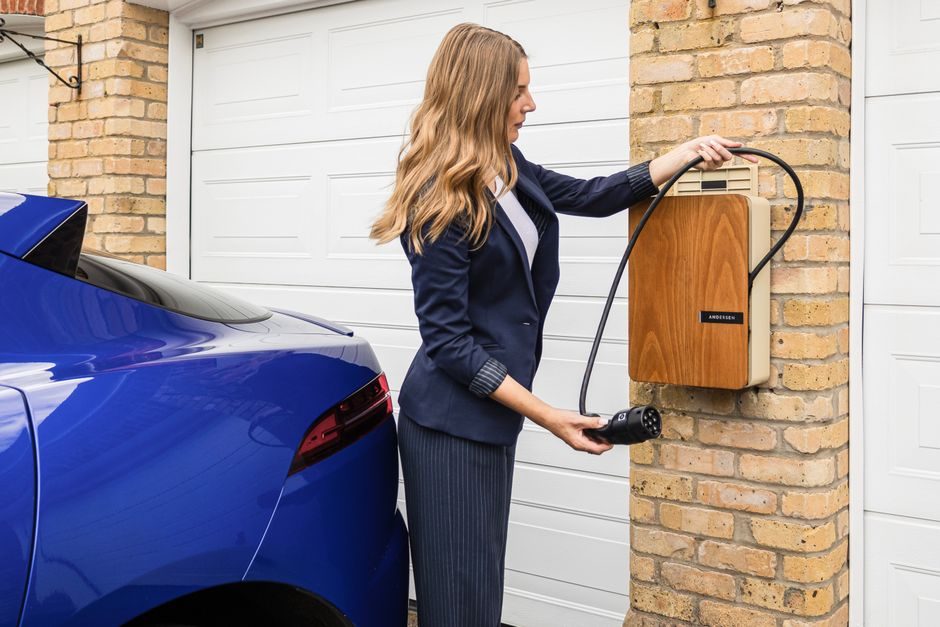
Match equipment to your car
Start by checking the charging connector and maximum AC charging rate in your vehicle’s manual. A home charger cannot make a car accept power faster than its onboard charging system allows. Confirm that the equipment connector is compatible, or identify whether an approved adapter is needed for your vehicle.
- The car’s onboard charging limit can cap the charging rate.
- Choose a charger location that allows a safe cable route.
- Check compatibility and installation requirements before buying.
Consider where the car is usually parked and how far the charging point would be from the inlet. A fixed charger can make frequent charging more convenient, while a portable cable may suit drivers who have a suitable outlet and do not need a faster setup. Keep the cable length and storage arrangements in mind.
Check whether the charger has controls you will use, such as a schedule, charging status display, or access settings. Features are only useful if they work with your vehicle and home network. Read the equipment instructions and verify that the charger is designed for the intended location, including exposure to weather.
- Check the car’s connector and AC charging limit.
- Measure the route from the proposed charger to the vehicle.
- Confirm the equipment is rated for its installation location.
Assess your parking arrangement
A home charger is most useful when you can park close to it consistently. For a garage, check that the cable will not obstruct stored items or a vehicle door; for an outdoor space, confirm that the proposed position and equipment suit the local weather. Avoid a layout that leaves the cable across a public path.
If you rent, share a building, or park in a communal area, find out who controls the electrical supply and whether approval is required before purchasing equipment. Building rules, landlord terms, and local requirements differ, so get permission in writing where appropriate. Ask how the installation will be inspected and maintained.
Think through everyday access before settling on a location. A charger mounted on the opposite side from the car inlet may require extra cable reach, and a shared driveway can make a fixed cable awkward. Marking out the likely route with the car parked can reveal clearance or access problems early.
Comparing outlets and dedicated chargers
Using a standard household outlet
A standard household outlet can be a simple way to add charge when the car, cable, and outlet are approved for that use. It generally supplies power more slowly than a dedicated charger, so it may suit modest daily driving better than a rapid turnaround. Check the vehicle manual and cable instructions before connecting.
The condition of the outlet and the circuit matters as much as convenience. Avoid charging from a loose, damaged, discoloured, or hot outlet, and do not share the circuit with heavy appliances if the manufacturer advises against it. Stop charging if you notice a burning smell, unusual heat, or repeated interruptions.
A household outlet may be useful as a temporary or occasional option, but it is not automatically suitable for continuous high-load use. Have a qualified electrician check any uncertainty about wiring, circuit protection, or outlet condition. Do not rely on an improvised adapter or extension lead to solve a reach problem.
| Option | Best suited to | Key consideration |
|---|---|---|
| Standard household outlet | Occasional or modest daily charging | Confirm outlet and circuit suitability |
| Dedicated fixed-cable charger | Regular charging with quick connection | Cable reach and storage |
| Dedicated socketed charger | Drivers seeking cable flexibility | Use a compatible charging cable |
Installing a dedicated charger
A dedicated home charger is designed for repeated vehicle charging and can usually deliver power more quickly than a standard outlet. The actual rate still depends on the car, the charger, and the home supply. Ask an installer to confirm the expected charging performance for your specific vehicle and electrical system.
A dedicated unit may include a fixed cable or a socket for a separate charging cable. A fixed cable can make plugging in quicker, while a socketed unit may offer flexibility if vehicles with different connectors use the same point. Compare the everyday convenience with how you will store and handle the cable.
Ask the installer what circuit protection, cable routing, and electrical work the job requires. A suitable installation should account for the existing supply and the charger’s location, not just the unit itself. Keep the handover documents and instructions, and learn how to identify a fault or safely stop a charging session.
Have a qualified electrician assess the home’s electrical supply before installing a dedicated charger.
Planning installation and electrical capacity
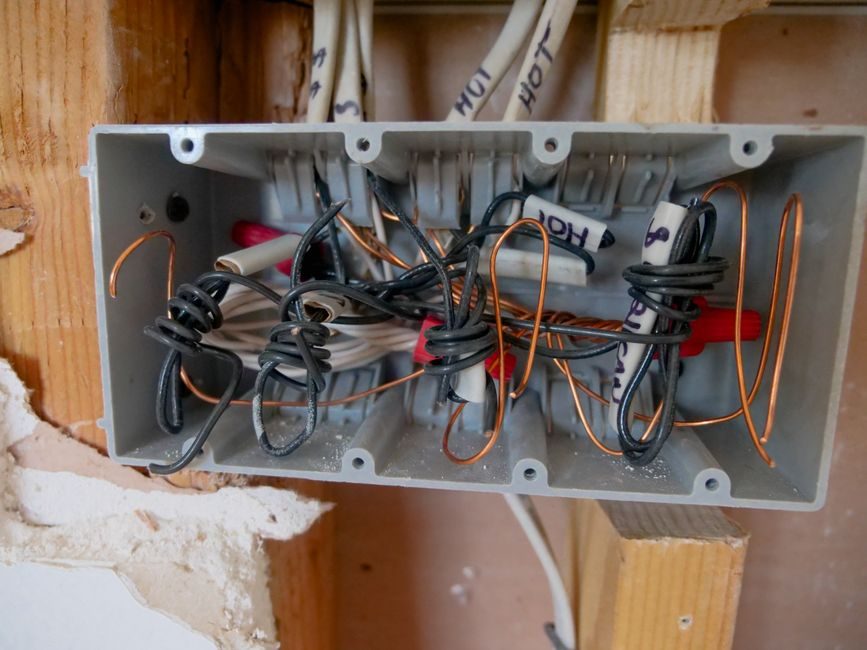
Check the home electrical supply
Have a qualified electrician assess the home’s electrical supply before installing a dedicated charger. They can check the consumer unit or electrical panel, existing circuits, earthing, and the available capacity for the proposed equipment. A visual check alone may not reveal whether the system can support the additional load safely.
- Assuming spare panel space means spare electrical capacity; ask for a full load assessment.
- Buying a charger before checking compatibility and installation needs; confirm both with the installer.
- Ignoring cable routing; plan a route that avoids damage, obstruction, and trip hazards.
The assessment should account for other major electrical demands, such as heating, cooking, or a second charger. In some homes, the installation may need extra circuit protection, altered wiring, or a way to manage simultaneous loads. The installer can explain which work is necessary and whether the charger’s output should be limited.
Share the vehicle details, likely charging pattern, and proposed charger location with the electrician. These details help them recommend equipment and cabling that fit actual use rather than an assumed setup. Ask what parts of the work are included, how the installation will be tested, and what documentation you will receive.
Confirm permissions and placement
Check local rules and property permissions before work begins, because requirements vary by country, building, and ownership arrangement. A homeowner may still need approval for certain exterior changes, while tenants and residents in shared buildings often need permission from a landlord or building manager. Ask who is responsible for arranging any required consent.
Choose a position that protects the charger from likely impacts and lets the cable reach the parked car without tension. For an outdoor installation, the equipment must be rated for the conditions at that location, and the installer should follow the manufacturer’s mounting instructions. Keep the unit accessible for inspection and safe operation.
Before signing off, ask the installer to demonstrate how to start and stop charging and what the indicators mean. Confirm how to isolate the equipment if a fault occurs, and keep the contact details for service or warranty support. A clear handover makes it easier to spot a problem before it interrupts a needed charge.
Helping drivers find a qualified installer
Checking installer credentials
Ask a prospective installer whether they have experience with your vehicle type, chosen charger and local electrical requirements. A qualified professional should assess the property before recommending equipment, rather than assuming that the existing wiring and consumer unit can support a new load. Request evidence of relevant qualifications and confirm what certification or inspection documents you will receive after the work.
Get a written scope that identifies the charger, cable route, electrical protections and any changes to the consumer unit. It should explain whether the quote includes testing, commissioning and notifying the relevant authority where local rules require it. If the installer proposes extra work after inspection, ask what condition prompted the change and whether there is a less disruptive compliant option.
Compare proposals on what they include, not just the headline cost. Ask who will complete the work, how they will protect walls and outdoor surfaces, and whether the installation has a warranty. Charging installers looking to reach more customers can use Seo Services to assess their website and digital marketing needs. This is a business-side note, not a factor in choosing your own installer.
- Check relevant qualifications and experience.
- Ask for a site assessment before a final quote.
- Confirm testing and certification are included.
- Get the equipment and cable route in writing.
Questions before booking
Before accepting a date, ask whether the installer has checked the distance from the consumer unit to the parking space. A long or awkward route can affect the work involved, so the answer should be based on your actual property. Share clear photos or arrange an on-site visit if the installer needs more information to assess it properly.
Check how the charger will be commissioned and paired with your vehicle or home network, if those features are included. Ask who to contact if the unit does not connect or a fault appears after installation. Clear handover instructions should explain the controls, safety shut-off and any routine checks expected from the owner.
Clarify what you need to do before the appointment, such as clearing access to the consumer unit or parking area. Ask whether the installation could require a power interruption and how long the work is expected to take. Agree how changes will be approved, so unexpected work is discussed with you before it is carried out.
Making local charging services easy to discover
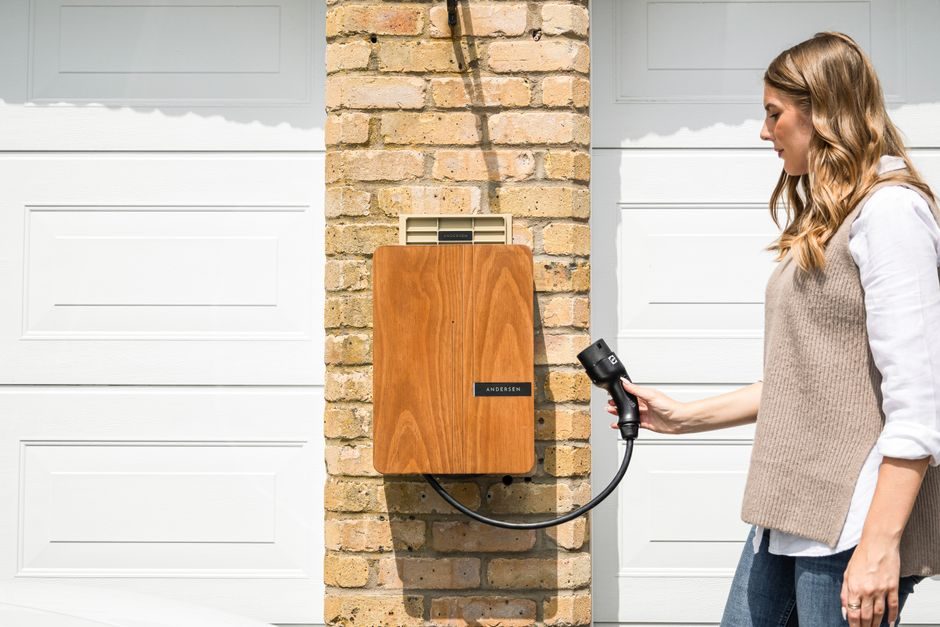
Finding service details nearby
If you are comparing local charging services, look for a clear description of the areas covered and the kinds of installation offered. A nearby address alone does not prove that a provider serves your neighbourhood, so check coverage directly. For an installer serving drivers in Leicester and Leicestershire, Leicester Seo Services can help make local service details easier to find.
- ☐ Confirm that the service area includes your address.
- ☐ Check that contact details match across listings.
- ☐ Ask directly whether the provider installs your equipment type.
- ☐ Verify the scope and support before booking.
A useful service listing should make it straightforward to verify the provider’s identity and contact details. Compare the business name, phone number and address wherever they appear, and check that the stated service area matches what staff confirm when you enquire. If the listing is vague about installation or support, ask for the missing detail before arranging a visit.
Use the information you find to prepare focused questions, rather than treating online visibility as proof of technical quality. Ask whether the company installs your chosen equipment, can assess your property and provides post-installation support. A clear response about these practical points is more useful to a driver than general claims about being a local specialist.
Confirming coverage and support
An installer’s service area can differ from its registered business address, so ask whether it will attend your specific postcode. This is especially useful where a company serves several towns but limits certain jobs by distance or equipment type. Get confirmation before sharing access details or arranging a site assessment.
Find out whether the same company handles installation questions after the charger is commissioned. Some providers may use separate teams for sales, installation and technical support, which can affect whom you contact if a fault occurs. Ask for the appropriate support channel and the information to have ready, such as the charger model and installation paperwork.
When comparing providers, keep notes on the promised coverage, proposed equipment and aftercare. That makes it easier to spot differences between offers and to follow up if a detail changes. Do not assume a business profile or map result is current; confirm availability and relevant service details directly before making a decision.
- Confirm attendance at your address.
- Ask who handles technical support.
- Record the equipment and scope offered.
- Verify availability before booking.
Avoiding common home-charging problems
Diagnosing slow charging
If charging seems slower than expected, first check the car’s charge limit and scheduled-charging settings. The vehicle may be set to stop at a target level or wait for a programmed time, which can look like a charger fault. Compare the displayed charging status with the car’s manual before changing hardware or arranging a service call.
- Check the vehicle’s charge target and schedule first.
- Read charger and vehicle alerts before changing settings.
- If protection trips again, stop charging and seek qualified help.
- Record when the problem occurs for the service call.
Charging speed can also vary with the vehicle’s onboard limits, the power available at home and the battery’s current condition. A charger cannot make a car accept more power than its onboard system allows. Businesses with staffed locations in several areas can use Local Seo Services to keep their profiles and location information consistent.
Note when the slowdown happens and whether it affects every charging session or only particular conditions. Check the vehicle display, charger indicators and any energy-management settings, then consult the manuals for fault codes or warnings. If a protective device trips repeatedly, stop using the equipment and contact a qualified electrician rather than resetting it again and again.
- Check the car’s charge limit.
- Review scheduled charging settings.
- Compare the vehicle and charger indicators.
- Stop if a protective device repeatedly trips.
Preventing cable and connection faults
Keep the connector clean, dry and free from visible damage, and follow the manufacturer’s instructions for storage. Do not force a plug into the vehicle inlet or continue using a cable with cracked insulation, bent pins or signs of overheating. Stop charging if you notice unusual heat, a burning smell or repeated connection failures.
Route the cable so it does not cross a path where people can trip over it or vehicles can run over it. Avoid pulling it tight around corners, and do not use an extension lead unless the charger manufacturer and a qualified installer explicitly confirm that arrangement is suitable. A cable damaged by strain or traffic should be checked before further use.
Outdoor equipment needs to be installed and maintained for the conditions it will face, while the connector should be protected as its manufacturer directs. Do not open the charger enclosure or attempt electrical repairs yourself. If water has entered the unit, a warning appears, or the casing is damaged, isolate the equipment only if safe and contact the installer or manufacturer’s support team.
Building safer, more convenient charging habits
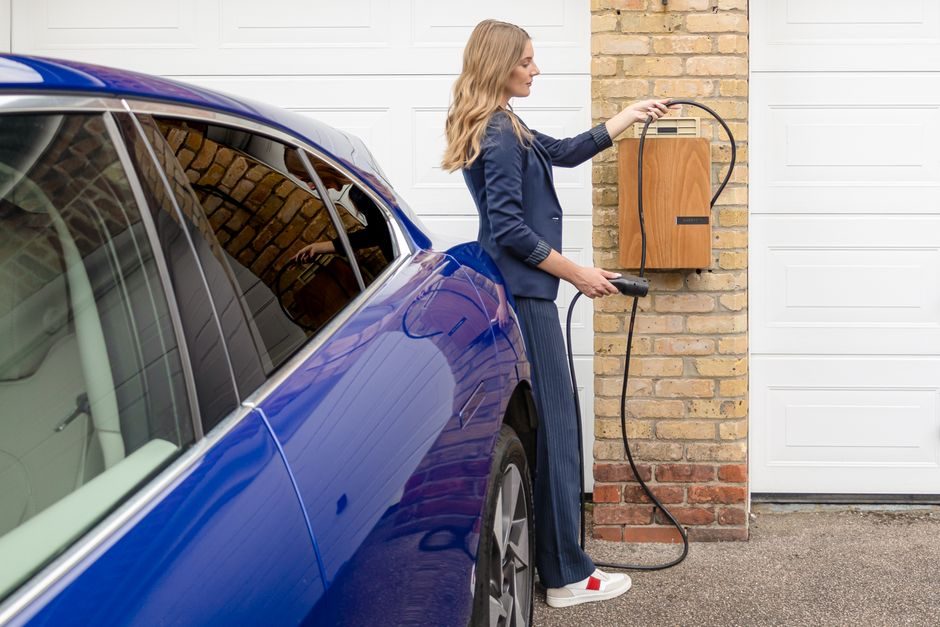
Creating a reliable routine
Choose a regular parking and cable routine that keeps the connector accessible without blocking a doorway, footpath or shared space. If charging is scheduled, check that the vehicle and charger agree on the start time and target. A brief look at the dashboard or charger status after plugging in can catch a loose connection before you leave the car.
Use the charging limit recommended for your vehicle and your normal driving needs, rather than assuming every session must reach full capacity. The owner’s manual explains how to set a target and whether the car supports scheduled charging. For longer journeys, plan around the range you need and the charging options available along the route.
Make the handover instructions and support contact easy to find, especially if another household member uses the charger. Show them how to connect and disconnect the cable, recognize a warning and stop a session safely. Avoid sharing account credentials casually; use the charger’s intended user settings if several drivers need access.
- Park where the cable stays clear of walkways.
- Confirm scheduled times match the vehicle settings.
- Use the charge target described in the manual.
- Show other household drivers the safe procedure.
Keeping charging dependable
Check the charger and cable periodically for visible wear, loose fittings or damage, following the manufacturer’s maintenance guidance. Keep vents and surrounding space clear if the equipment requires airflow, and do not cover the unit with stored items. Regular visual checks can reveal a problem early without requiring you to open electrical components.
Keep installation paperwork, manuals and support details together so they are available if the charger develops a fault or the property changes hands. Record the model and any error message before contacting support; those details can help the installer identify whether the issue concerns the vehicle, settings or equipment. Follow advice from the manufacturer or a qualified electrician for repairs.
Revisit your setup if your parking arrangements, household electrical demand or vehicle changes. A new car may support different charging features, while alterations to the home can affect where the cable can be routed safely. Ask a qualified installer to review electrical changes instead of assuming the existing circuit remains suitable for every new arrangement.
Frequently asked questions
Can I charge an electric car from a standard household socket?Some vehicles can use a suitable household socket with the manufacturer-approved charging cable, but the arrangement may charge more slowly than a dedicated home unit. Socket condition, circuit capacity, local electrical rules and the vehicle’s guidance all matter. Ask a qualified electrician to assess regular use, and never rely on an extension lead or a damaged or loose socket.
How do I know whether my home supply can support a charger?A qualified installer should assess the electrical supply, consumer unit and proposed cable route before confirming the installation. The available capacity can depend on the property’s existing electrical demand and local requirements. If capacity is limited, the installer can explain whether load management or other compliant work is appropriate; do not estimate suitability from the charger’s label alone.
Should I charge my car every night?Not necessarily. The right routine depends on how far you drive, the vehicle’s recommended charge target and whether scheduled charging suits your needs. Many drivers can plug in when convenient without aiming for a full battery every time. Check the owner’s manual for battery-care guidance, and set a target that provides the range you need without adding unnecessary steps.
What should I do if my home charger stops working?Check the vehicle’s charging schedule, charge limit and any displayed messages, then consult the charger and vehicle manuals. If a warning persists, the unit is damaged, or a protective device trips repeatedly, stop using the charger and contact the installer or manufacturer’s support team. Do not open the enclosure or attempt electrical repairs; provide the model and fault details when you call.
Make home charging part of the plan
Reliable home charging starts with a suitable setup, a proper electrical assessment and clear installation paperwork. Once the charger is fitted, understanding the vehicle’s settings and checking the cable and indicators can prevent many avoidable interruptions. Treat repeated electrical warnings or visible damage as reasons to stop and seek qualified help, not as problems to work around.
If you are preparing to install a charger, start by checking your vehicle’s guidance and noting where the car normally parks. Then ask a qualified installer to assess the supply, cable route and equipment options at your property, and request a written scope before booking. That gives you a practical basis for choosing a safe setup that fits your home and daily driving.

Add Auto News as a preferred source on Google


