
How to use Dublin obituaries wisely for auto readers
A practical guide for car enthusiasts and professionals: how Dublin obituaries can inform maintenance decisions, events, and community references without hype.

Readers often overlook local notices when planning auto projects, yet obituaries can reveal shifts in ownership, service providers, and community ties that affect vehicles and events. This guide explains how to use those notices in a practical, non-sensational way. You’ll learn where to find reliable notices and how to interpret them for real-world automotive relevance.
First, locate reputable Dublin obituary sources and cross-check dates with local news. Second, identify patterns that matter to your car care and vehicle history. Third, translate those insights into smarter maintenance decisions, safer driving choices, and smoother participation in the car community.
By the end, you’ll have a clear, action-oriented approach to using Dublin obituaries as a useful, real-world resource for auto readers.
- Look to trusted Dublin obituary sources to spot how local services and events affect car care and community ties.
- Cross-check details to avoid outdated or misleading listings that could impact planning.
- Use notices to plan maintenance, events, and partnerships with local groups in a practical, non-sensational way.
Basics: locating reliable notices
Where to find notices
Begin with official local papers and regional news sites that publish obituaries consistently. Look for sections labeled death notices or memorials, and note the publication dates. Cross-check multiple sources for accuracy to avoid outdated listings that could mislead planning. Dublin obituaries provide context for local service trends and community shifts that can influence car care decisions.
- Open two trusted obituary sources.
- Note dates and locations of services.
- Check for local business mentions.
- Cross-check with a second source.
Use library digital archives when possible; they often provide searchable index pages. For the automobile audience, focus on notices that reference family-owned businesses, funeral services, or community groups tied to car clubs or charity rides. This helps you spot potential changes in local service networks.
If you’re tracking a specific neighborhood, bookmark the most active notices feed and set up a simple alert. That way you’ll catch early signals about shifts in local service providers that could affect your car’s upkeep.
Why it matters for owners
Obituaries can indirectly indicate when a community supports certain auto-related services, such as local repair shops, towing, or classic car groups. A cluster of notices around a neighborhood may signal the fading of a family-run shop that once served your area. That foresight helps you plan ahead for maintenance or alternate service options.
Understanding these signals protects you from sudden service gaps and helps you build a list of backup providers. It also informs risk decisions for classic cars, where family-owned businesses often provide more personalized, long-term support. The result is steadier care for your vehicle.
Finally, noticing shifts in community organizations can point to upcoming vehicle events or charity drives that align with your interests, offering networking opportunities and practical information about meetups.
How to verify legitimacy

Cross-checking sources
Always compare at least two independent notices to confirm basic details like name spellings, dates, and locations. Many notices appear in more than one publication, and differences can alert you to updates or corrections. Do not rely on a single listing for anything time-sensitive. Dublin News & Updates can help verify timing and credibility when you plan service visits or event participation.
If a notice references a business, check for an official website or public business directory to verify current status. Look for consistency in contact details across sources. This reduces the chance of acting on outdated service information that could disrupt a planned maintenance or event.
Document key data in a simple log: date found, source, and any follow-up actions. A short trail keeps you organized if replacements or new providers come into play.
Practical checks for drivers
If you’re mapping a route to a service, confirm hours and accessibility before heading out, especially if you’re visiting a smaller neighborhood shop. A difference of an hour in open times can derail a planned service window. Always call ahead when in doubt.
Check whether the notice indicates a temporary closure or permanent shutdown; a temporary issue may cause only a short disruption. In contrast, a permanent change means you should locate alternatives ahead of a service appointment. These confirmations save time and stress on a busy weekend.
Keep a backup plan for urgent needs, like flat-tire service or roadside assistance. Knowing a second nearby shop reduces the risk of being stranded and keeps your vehicle ready for upcoming trips.
How to use notices in events planning
Link notices to local events
Obituaries can hint at community calendar activity and potential car-related events, such as charity drives or memorial road tours. If a family or sponsor is mentioned, you may discover new partnerships or volunteer shifts. This helps you align your own event participation with nearby social commitments. To coordinate community events, you might consider how to add an event to the Dublin events calendar with clear planning steps.
Use these cues to plan participation in the Dublin events calendar by choosing dates with a possible charitable angle or a classic car meet, increasing the likelihood of a welcoming turnout. This approach balances your driving hobby with community involvement.
Record the event details in a simple calendar and set reminders for registration deadlines or volunteer slots. Clear planning reduces last-minute stress and improves your chances of a smooth, active weekend.
| Option | Pros | Cons |
|---|---|---|
| Attend a charity drive | Supports community; networking opportunities | Requires time and travel |
| Volunteer at a memorial ride | Gives back; builds goodwill | May demand specific skills or shifts |
| Host a small car meet | Increases local visibility; easy to scale | Logistics and safety considerations |
Avoiding common misreads
Not every obituary keyword translates into a car-related event. You might encounter references to memorial services that have no connection to vehicle activities. Read broadly but filter quickly for signals tied to auto clubs, garages, or fundraisers with driving components.
Be mindful of regional reporting delays; a notice may reflect events several weeks prior or scheduled later. This helps prevent overestimating how active the local car scene is at any moment. Accurate interpretation supports realistic planning for meetups and road trips.
If in doubt, contact the listed organization to confirm whether an event is still on the calendar. A brief confirmation saves you from chasing a plan that no longer exists.
Identify the organizations that repeatedly appear in notices and reach out to offer support or sponsorship.
How to act on actionable opportunities
Partnering with local groups
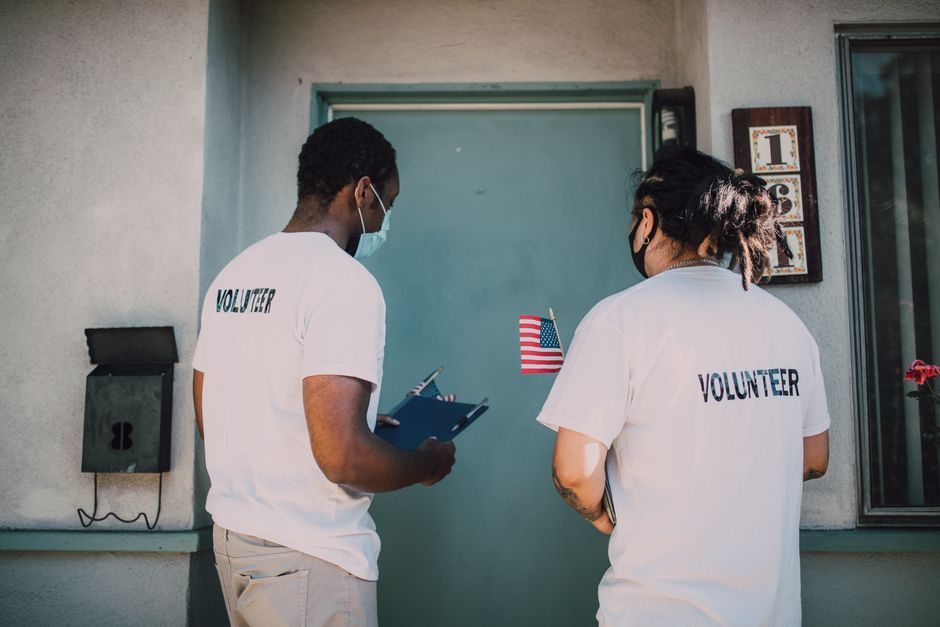
Obituaries can signal active alumni groups, charity drives, or memorial rides that welcome volunteers. Your contribution could be in organizing a gear raffle, collecting donations, or helping with logistics at a show. Such involvement often strengthens community ties and creates useful connections for future servicing needs. If you want to expand your network or formalize your presence, you could register your company in Dublin and align with local groups.
Identify the organizations that repeatedly appear in notices and reach out to offer support or sponsorship. Consistent, constructive engagement builds recognition for your business or your own vehicle projects without relying on aggressive marketing. Mutual benefit is the goal.
Track outcomes from these partnerships to refine future involvement: what events drew more attendees, what services were in demand, and which days worked best for volunteers. This data helps you plan more effective participation next time.
Planning for continuity
Create a simple, repeatable process for using notices to shape your calendar. Start with a weekly check of trusted sources, then prune irrelevant items and file promising leads. A routine approach prevents missed opportunities and reduces last-minute pressure.
Develop a contact list of local shops, event coordinators, and hobby groups tied to notices. Use this as a go-to resource when you need service referrals or collaboration opportunities around car shows. Consistent outreach compounds small gains into real advantages.
Finally, evaluate risk: what could disrupt a planned maintenance window or event? Having backup options for service and transportation minimizes downtime and keeps your car ready for practical uses like trips and weekend drives.
Monitoring local notices for reliability
Spotting trustworthy sources
Begin by identifying official and well-known obituary providers in Dublin, such as local newspapers and recognized funeral homes. Cross-check notices against multiple sources to confirm timing and spelling. Look for consistency in dates, locations, and names to gauge reliability. sell second-hand items in Dublin keeps you aware of community cycles that might intersect with car sales and exchanges.
- ☐ Source early and check multiple outlets.
- ☐ Keep a running log of trusted notices.
- ☐ Always verify details before acting.
Compare notices with public records where feasible, and note any discrepancies early. Keep a simple log of sources you trust and ones you don’t, so you don’t chase outdated information.
When in doubt, prioritize notices that provide contact details and a direct link to the source. A clear, verifiable source often signals accuracy and reduces the risk of misinformation.
- Cross-check with at least two outlets
- Record source names for future reference
- Avoid notices with vague dates or missing locations
- Prefer official funeral home postings
- Verify through contact methods provided
Legal and privacy considerations
Respecting personal data
Obituaries involve personal data, so handle information with care and discretion. Do not publish or share sensitive details beyond what is publicly posted. When using notices for planning, respect the deceased and family boundaries.
In Ireland, certain notices may be subject to privacy rules; be mindful of how you store names, dates, and locations. Limit visibility to your own records and avoid exposing them in open forums.
If a notice is marked private or restricted, respect that preference and seek consent before distributing related information. Privacy safeguards protect families and avoid unnecessary exposure.
- Do not share sensitive personal details
- Limit access to your own notes
- Respect marked private notices
- Obtain consent when required
- Keep records secure
Digital tools to track notices
Using alert services
Set up alert services on reputable Dublin notices to stay informed about new postings. Configure alerts to include keywords relevant to your needs, such as vehicle-related events or memorial donations. Test the alerts regularly to ensure they deliver timely, usable information.
Use a separate account or inbox for obituary alerts to keep your automotive reading organized. Regularly prune outdated alerts to prevent clutter, and archive important notices for reference.
Integrate alerts with your maintenance calendar so related notices don’t slip through the cracks. This helps you respond quickly to any community events that affect local driving or road safety discussions.
- Create keyword-based alerts
- Organize alerts in a dedicated mailbox
- Archive important notices
- Test and prune alerts regularly
- Link notices to your calendar
Building a personal obituary-informed maintenance log

Turning notices into a system
Develop a simple log to document relevant obituaries alongside maintenance notes. Record dates, locations, and any community events that might affect your driving routes or shop visits. Use the log to plan maintenance around local gatherings or memorial services.
- Identify reliable notice sources
- Record key details
- Schedule maintenance around events
- Review monthly
Create a recurring reminder for updates, especially when notices mention upcoming events that affect traffic patterns or road access. A predictable cadence helps you stay ahead of schedule and avoid last‑minute disruptions.
Review the log monthly to spot trends, such as recurring road work announced in notices or common vehicle issues among the local community. This awareness can guide proactive maintenance and safer driving routes.
- Add date, location, event type
- Link maintenance tasks to notices
- Set monthly review
- Schedule ahead for events
- Keep the log accessible
Frequently asked questions
What makes a Dublin obituary reliable for planning automotive tasks?Reliability comes from consistent details, cross-checking across multiple sources, and timely updates. Plausible notices align with local calendars and known venues.
How should a reader store obituary information for auto planning?Use a simple, private log that links notices to maintenance items. Keep it offline or in a secure digital file to protect privacy while staying accessible.
Can notices influence vehicle safety decisions?Notices can inform you about road closures, public events, and community initiatives that affect driving routes and service schedules. Use them to optimize trip planning and avoid delays.
Are there risks in using notices for maintenance planning?Relying on a single source may lead to missed notices. Always verify discrepancies and lean on multiple sources for accurate planning.
Conclusion: driving forward with notice-informed planning
Integrating Dublin obituary notices into auto planning can improve reliability in scheduling repairs, maintenance, and route choices. The key is a disciplined workflow that treats notices as timely inputs, not distractions. Use a simple system to translate each notice into concrete actions on your calendar.
With careful attention to privacy, accuracy, and relevance, you build a practical toolkit for community-aware driving. Start small, test quickly, and expand only when it clearly helps your routine. A steady, repeatable process beats ad hoc fixes every time.
Over time, your logs become a quiet, dependable companion for daily driving and longer trips alike. The goal is predictable maintenance, fewer surprises, and calmer roads through better information handling.
Add Auto News as a preferred source on Google


