
Promote your event on Facebook: practical guide for auto pros
A clear, driving-focused guide for promoting automotive events on Facebook, with steps, options, and pitfalls tailored to car enthusiasts and workshop owners.

Facebook can boost your automotive event by reaching local car clubs, workshop customers, and enthusiasts who drive to events. Start with a simple plan: define the goal, pick the audience, and choose the right post format. This guide walks through practical steps to promote your event effectively without wasted effort.
First, clarify what you want to achieve—attendance, signups, or awareness—and tailor your message to that outcome. Then identify who should see the post: local area residents, fans of a certain car make, or customers of your shop. Finally, pick a posting format that fits your resources and the event type.
As you proceed, track what works and adjust. Facebook offers simple insights that show reach, engagement, and saves; use them to fine-tune headline, images, and posting times. The goal is consistent, doable actions that keep potential attendees informed without flooding feeds.
- This guide shows how to plan, target, and promote an automotive event on Facebook for real, practical results.
- It covers clear goals, audience targeting, post formats, and safe posting cadences that convert interest into attendance.
- Readers can apply the steps to events of any size and tailor messaging to Birmingham or nearby locales.
Basics to set up
Define the goal clearly
Start with a single, clear objective: is the aim to drive RSVPs, increase awareness, or showcase a car build? A focused goal guides your wording and visuals. Use simple metrics like RSVP counts or post saves as early indicators. promote your event in Birmingham and reach local car enthusiasts quickly and clearly.
Describe the event in one sentence and expand into two supporting points: what, when, where, and why attendees should care. A concise value proposition helps skim-readers decide quickly.
Check that your event details are complete in Facebook: date, time, venue, and a contact method. Missing basics lead to drop-offs and confusion.
- Define target outcome
- Draft value proposition
- Verify event details
- Set a simple measurement
Choose post formats
Different formats grab attention in different ways. A clear event photo with a short caption can work for quick scanners, while a short video tour of the venue builds interest.
Use a composite image showing key perks—location, dates, car lineup—to give a quick snapshot. If you have a hosted Q&A, schedule a live session to answer questions in real time.
Experiment with a mix: a static post, a story, and a live session; monitor which format yields more saves and RSVPs.
- Event photo
- Video preview
- Live Q&A
- Story updates
Targeting basics
Identify your audience
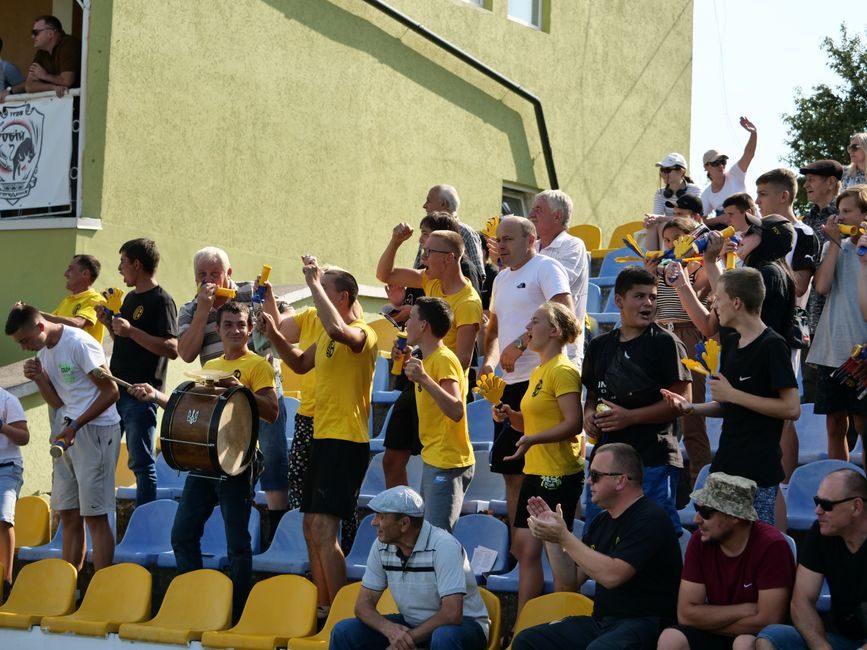
Think about who benefits most from your event: gear heads, workshop customers, or local clubs. Narrow the audience by location, interests (cars, racing, maintenance), and past engagement with your page. Birmingham Daily can help distribute event notices to a broader, locally engaged audience.
Create a short audience profile that you can reuse for future events. A clear profile helps you craft messages that feel relevant rather than generic.
If you have a mailing list or customer database, consider uploading a custom audience to reach people who already show interest.
- Car club members
- Garage enthusiasts
- Local residents
- Past attendees
Set a realistic posting cadence
Don’t flood feeds with multiple reminders; space posts to avoid fatigue. A single strong announcement, followed by one reminder closer to the date, keeps attention steady.
Use consistency across formats: same headline, tone, and visuals to build recognition. Regular, predictable posts feel more trustworthy.
Schedule posts for times when your audience is most active, such as evenings or weekends, to maximize visibility.
- One announcement
- One reminder
- Consistent visuals
- Timed postings
Event reach options
Leverage your page and groups
Publish on your official page to reach followers, then cross-post to relevant local groups where automotive fans gather. Group posts should stay within group norms and be useful, not spammy. find local businesses in Birmingham to partner with for cross-promotion and mutual benefit.
Encourage partners to share: a local shop, a track day organizer, or a car club can amplify reach. Provide ready-made copy and an event link to simplify sharing.
Respond promptly to comments to maintain momentum and answer practical questions about parking, timing, or entry requirements.
- Page post
- Group post
- Partner shares
- Active moderation
| Method | Pros | Cons |
|---|---|---|
| Promoted posts | Wider reach; targeted | Requires budget and optimization |
| Organic posts | Low cost; builds trust | Limited reach without engagement |
| Group posts | Niche visibility | Less control over audience |
Promoted posts vs organic reach
Promoted posts can boost visibility for a specific budget, but require careful targeting to avoid waste. Start with a small spend on a clearly defined audience.
Organic reach relies on relevance; use captivating visuals and a strong opening line. Nurture engagement by asking a simple question at the end of the post.
Monitor results; if promoted posts underperform, adjust the audience or creative rather than increasing spend without data.
- Promoted post test
- Organic engagement
- Adjust based on data
- Keep it relevant
Overloading with posts can annoy followers; balance informative content with engaging visuals and a clear CTA.
Pitfalls to avoid
Common missteps
Skipping event details is a visible error. Always include date, time, venue, and entry requirements. Missing specifics reduces trust and signups. place an advert in Birmingham to broaden awareness beyond your existing followers.
Overloading with posts can annoy followers; balance informative content with engaging visuals and a clear CTA.
Ignoring comments or questions creates friction. Timely responses improve credibility and convert inquiries into RSVPs.
- Missing details
- Post fatigue
- Poor responsiveness
Privacy and safety
Share only information you would publish publicly about attendees and partners. Avoid collecting sensitive data through public posts.
Set clear guidelines for user-generated content and permissions when featuring attendees or evidence from the event.
If in doubt, keep event details limited to publicly shareable facts and direct people to official channels for private questions.
- Public info only
- UGC permissions
- Official channels
Placement strategies
Audience placement tactics
Begin with a clear, product-focused goal for the event and align it with the audience you already reach on Facebook. Use audience insights to select locations and times that match when auto enthusiasts are most active online. Craft a message that speaks to the kind of customers who visit your shop for maintenance, test drives, or new model interest. online obituaries in Birmingham
- Define the primary locations for your event (storefront, service bays, or local venue).
- Set up one primary image and one alternative for testing.
- Prepare quick responses for comments to keep momentum going.
Then map those people to Facebook placements: newsfeed for broad reach, events for local pull, and groups for niche interests like classic cars or performance tuning. Test a couple of options and compare engagement on similar posts. The goal is steady, relevant visibility rather than a one-off spike.
Finally, tailor visuals to the placement: high-contrast images of a car on a lift for feed ads, or a simple calendar banner for events. Keep the copy concise and actionable, such as “Join our Friday tech clinic at your local service bay.”
- Choose times when community events are sparse nearby
- Use clear call-to-action like “RSVP now”
- Match imagery to the auto service or model focus
Budget options
Scaling your ad spend
Begin with a small daily budget to measure response without overspending. Auto shops often see steady interest when the offer is practical, like a free inspection or discount on a service booked during the event. Track which ads win engagement and reuse those elements with tweaks.
Increase spend gradually only after you see a consistent lift in clicks or RSVPs. As you scale, keep creative fresh and rotate benefits so the audience does not get numb to a single message. Avoid chasing vanity metrics; prioritize people who actually show up.
Finally, allocate a fixed portion of your budget to retargeting: visitors who clicked but did not RSVP may respond to a reminder or a new incentive. The goal is a predictable flow of attendees rather than a burst that fades quickly.
- Start with a modest daily budget
- Rotate creative every 5-7 days
- Retarget engaged users who didn’t RSVP
Local partnerships
Partnered promotion ideas
Reach local parts suppliers, tire shops, and car clubs with a simple offer to co-host the event. A joint invitation expands reach and lends credibility. If you run a free car-care clinic, invite the partners to contribute a quick tip or demonstration.
Coordinate timing so partners benefit from cross-promotion, not competing schedules. Use shared posts, in-store flyers, and a joint event page to keep messaging consistent. Offer reciprocal promotion, like featuring partner logos and contact info at the event.
Provide a clear, mutual value: a vendor booth, a co-branded banner, and a shared post calendar. Track attendance from each partner’s audience to understand what mix drives RSVPs.
- Co-host with a local parts store
- Create a co-branded event page
- Share promotional posts across partners
Post-event follow-up

Capturing lasting momentum
After the event, post a concise recap with photos from the day. Include a practical takeaway, such as a maintenance tip or a limited-time service offer to convert attendees into customers. Close with a simple call to action to book a future appointment.
- Share a 60-90 second recap video
- Thank attendees with a personalized follow-up
- Offer a limited-time service incentive
Engage attendees by replying to comments promptly and sharing a short video highlight reel. Consider a poll asking what workshop or demo they’d like next. This keeps the audience invested and provides ideas for future events.
Measure results by noting RSVPs, actual turnout, and any bookings generated within a week. Use that data to refine future events and adjust your audience targeting for better results next time.
Frequently asked questions
Can I promote an event without spending money on ads?Yes. You can use organic posts, community groups, and your page’s event feature to reach local followers. Pair compelling visuals with a practical offer, and encourage attendees to share.
How soon should I post before the event?Post a primary announcement at least two weeks ahead, then reminded posts 3–5 days before, and a final reminder the day before. Keep updates concise and mobile-friendly.
What metrics matter for an automotive event?RSVPs and attendance are key, along with click-throughs to booking pages and any resulting service bookings. Track engagement over the event’s duration rather than isolated spikes.
Should I use a Facebook group for promotion?Groups can be effective if they align with car enthusiast interests or local community networks. Share value-driven content, not just promotional posts, to avoid clutter.
Final takeaways and next steps
Start with a clear event goal and test multiple placements to see what resonates with local auto customers. Use automotive visuals and concrete service offers to keep attention, then follow up promptly after the event.
Turn attendee momentum into bookings by sending a succinct offer in the follow-up and planning your next workshop with data from turnout and engagement. Keep the messaging practical and the schedule consistent to build a loyal local audience.
Add Auto News as a preferred source on Google


