
Used Car Buying Tips: How to Choose the Right Vehicle
Use practical used car buying tips to set a budget, check a vehicle’s history and condition, compare options and make a more confident purchase.

To choose the right used car, start with a realistic total budget and a clear list of needs, then compare suitable models and check each car’s history, condition and documents. Inspect it in daylight, arrange an independent assessment if needed, and take a proper test drive. These steps help you spot costly problems before committing.
A car’s age or appearance alone cannot tell you whether it is a sound buy. Service records, a consistent vehicle history and careful checks of the body, cabin and mechanical condition give you better evidence to compare.
Use the guide below to work through the decision in order, from setting priorities to testing the car on the road. Keep notes for each candidate so you can compare facts rather than relying on memory or a persuasive sales pitch.
- Set a total ownership budget and shortlist cars that fit your everyday needs.
- Check model suitability, vehicle history, service records and identity documents before committing.
- Inspect the body, cabin and mechanical condition, then take a varied test drive.
- Compare evidence across candidates and pause if important details remain unclear.
Start With Your Needs and Budget
Set a Realistic Total Budget
Set a ceiling for the full cost of owning the car, not just the amount you will pay the seller. Include insurance, fuel or charging, routine servicing, tyres and any immediate repairs identified during inspection. If you are financing, account for the total repayment commitment and leave room for unexpected costs.
Decide which costs are essential to check before you view a car. Insurance quotations can vary by model and driver, while a vehicle with overdue servicing may need attention soon after purchase. Independent dealers creating clear buyer guidance may use white label link building to distribute that information through partner publications.
Keep some of your available funds uncommitted so a purchase does not leave you unable to maintain the vehicle. A cheaper car can become the more expensive choice if it needs major repairs or has high running costs. Compare likely ownership expenses across your shortlist before treating the asking price as decisive.
- Check insurance costs for each model.
- Allow for servicing and consumables.
- Keep funds aside for repairs.
Match the Car to Daily Use
Choose a vehicle around the journeys and tasks you actually do. A small hatchback may suit regular city parking, while frequent motorway trips can make cabin comfort, luggage space and relaxed cruising more important. If you often carry passengers, check rear-seat access and legroom rather than judging the car from the driver’s seat.
Think about where the car will be parked and how often it will carry bulky items. Measure a regular piece of luggage or equipment if boot space matters, and check whether folding seats create a useful, level load area. Families should also consider child-seat access and whether doors open wide enough in tight spaces.
Separate must-haves from preferences before viewing cars. A safety feature or suitable number of seats may be essential, while a particular trim or colour may simply be desirable. This distinction keeps the shortlist focused and helps you avoid paying more for equipment that adds little to your everyday use.
Research Models and Vehicle History

Compare Suitable Models
Compare a small group of models that meet your needs, rather than choosing from a long list based on appearance alone. Look at practical differences such as passenger space, luggage capacity, fuel use, available safety equipment and the type of journeys each car suits. Check the exact engine and trim, since specifications can vary within a model range.
Read road tests and owner discussions for recurring strengths and weaknesses, but treat isolated complaints as prompts to investigate rather than proof of a fault. Check whether the model’s maintenance schedule fits your plans and whether local garages can service it. Dealers sharing an educational choosing guide can explore a guest post marketplace to place it with readers.
Compare individual cars using the same criteria so the result is fair. Record mileage, service evidence, condition, equipment and asking price for each candidate, then note what remains uncertain. A model with a lower price may be less attractive if its history is incomplete or it needs repairs that another car does not.
- Compare the same engine and trim.
- Check space against your regular needs.
- Note recurring ownership concerns.
Check the Vehicle’s Past
Ask for the registration details and use them to check the vehicle’s recorded history through an appropriate service. Look for alerts involving theft, outstanding finance, write-off status or mileage discrepancies, and clarify any result you do not understand before proceeding. A history check is a screening tool, not a substitute for examining the car.
Compare the mileage shown on the dashboard with service records, inspection documents and previous bills. A steady sequence of dated entries is easier to assess than a collection of paperwork with unexplained gaps. Ask the seller to account for missing periods, changes in mileage or work that appears inconsistent with the vehicle’s age and condition.
Check that the vehicle identification details on the car match its documents and history records. Confirm that the seller has the authority to sell it, and ask for evidence of maintenance or repairs mentioned in the advert. If key information remains unclear, pause the purchase rather than relying on verbal assurances.
Inspect the Car and Its Documents
Look for Condition Clues
Inspect the car in daylight and on dry ground where possible, starting with the body panels, glass, tyres and lights. Look for uneven panel gaps, paint differences, rust, cracks and signs of fresh repair that deserve an explanation. A dealer publishing practical ownership advice on relevant sites may choose to buy guest posts online.
Check the cabin for worn controls, damp smells, warning lights and damage that does not seem consistent with the stated mileage. Test seat adjustment, windows, locks, air conditioning and infotainment functions rather than assuming they work. Look in the boot and beneath removable mats for moisture, staining or signs of previous water entry.
Ask to see the engine when it is cold, if practical, and look for obvious leaks, damaged hoses or neglected fluid levels without touching hot or moving parts. Uneven tyre wear can point to alignment or suspension concerns, while a mismatched set may signal recent replacement. Arrange an independent inspection if you are unsure how to judge a finding.
- Check for uneven paint and panel gaps.
- Test cabin controls and warning lights.
- Look for leaks, damp and tyre wear.
| Method | What it can show | Main limitation |
|---|---|---|
| History check | Recorded alerts and mileage details | Cannot confirm present condition |
| Document review | Service and inspection evidence | Gaps may need explanation |
| Visual inspection | Visible wear, damage and leaks | Hidden faults may remain |
| Independent inspection | A professional condition assessment | Requires arranging an assessment |
Verify Documents and Details
Check the vehicle’s registration document, inspection records and service history against the car itself and the seller’s account. Confirm that identification numbers match where they are displayed, and make sure the documents relate to the vehicle you are viewing. Missing paperwork is not automatically proof of a problem, but it requires careful clarification.
Read any service invoices closely to see what work was completed, when it was done and which parts were replaced. A stamped booklet can be useful, but itemised bills often provide more detail about the maintenance performed. Ask whether work described in the records has been completed and whether any recommended repairs are still outstanding.
Before paying, make sure the purchase paperwork records the correct vehicle, agreed price, seller details and any specific promises about condition or included items. Keep copies of documents and payment records. Dealers sharing useful ownership guidance may choose to buy guest posts online for publication on relevant sites, but a buyer should judge the car on its evidence.
Before setting off, adjust the seat and mirrors, check that the controls are familiar and confirm that no warning lights remain on after the engine starts.
Arrange a Thorough Test Drive

Test the Car in Real Conditions
Plan a route that includes ordinary traffic, a faster road and, where safe, a place to make controlled turns and stops. A brief loop may not reveal how the car behaves once warm or at different speeds. When a dealership has genuinely newsworthy information for UK media, press release distribution uk can be a route to wider coverage.
Before setting off, adjust the seat and mirrors, check that the controls are familiar and confirm that no warning lights remain on after the engine starts. Listen for unusual noises at idle and pay attention to vibration through the steering wheel or pedals. Do not drive unless you have permission and appropriate insurance cover.
During the drive, check that acceleration is smooth, braking feels consistent and the steering tracks without pulling to one side. Try the clutch and gearbox through their normal range, or assess how an automatic responds to gentle acceleration and slowing. At the end, look again for warning lights or fresh leaks, and record anything that needs a second opinion.
- Use a varied, safe route.
- Check steering, braking and acceleration.
- Listen for unfamiliar noises.
Assess Comfort and Control
Check whether you can find a comfortable driving position and see clearly in every direction. Adjust the seat, steering wheel and mirrors, then note any blind spots or awkward controls that could become tiring on regular journeys. If other household members will drive the car, make sure they can also reach the pedals and operate the main controls.
Pay attention to cabin noise, ride comfort and how the car behaves over ordinary road surfaces. A vehicle that feels composed on a smooth street may seem unsettled over rough patches, so consider the routes you use most. Test parking visibility and manoeuvrability in a safe space if city driving or tight garages are part of your routine.
After the drive, compare your impressions with the inspection and history notes instead of letting one good or bad moment decide the purchase. Ask the seller to explain any concern and arrange a professional assessment if the answer is not convincing. If a fault appears, consider whether it changes the car’s suitability or whether you should walk away.
Compare Private Sellers and Dealers
Weighing Seller Advantages
A private seller may know the car’s history in detail, while a dealer can often offer a wider choice and a more structured buying process. Ask each seller how long they have owned or stocked the vehicle, why it is being sold, and what work has been done. Specific, consistent answers are more useful than general assurances.
- ☐ Ask who owns the vehicle and how long they have had it.
- ☐ Request service records and receipts for significant repairs.
- ☐ Confirm in writing what any warranty covers.
- ☐ Compare the total cost and support offered by each seller.
Compare the full terms, not just the advertised price. A dealer may include a warranty or offer support if a fault appears, while a private sale may leave you responsible for problems after purchase. Check what any warranty actually covers, how long it lasts, and whether exclusions make it less useful than it first appears.
Independent dealers can also share practical information with buyers, such as service records, inspection findings and advice on routine checks; dealers seeking help placing informative articles about vehicle checks may consider guest posting services uk. Treat any guidance as a starting point, then verify claims against the car’s documents and an independent inspection. This keeps useful advice separate from the seller’s interest in completing a sale.
Checking Dealer Credentials
Before paying a dealer, check that the business has a clear address, written terms and a consistent identity across its paperwork. Look for a proper sales invoice that names the vehicle and records the agreed price. If details change between the advert, conversation and documents, pause and ask for an explanation before proceeding.
Ask whether the car is being sold by the dealer or on behalf of someone else, since that can affect who is responsible for the sale. Confirm the legal seller’s name on the contract and payment instructions. Avoid sending money to an unrelated account, and do not accept vague promises in place of written terms.
A dealer’s willingness to answer reasonable questions is part of the buying process, not a substitute for checking the vehicle. Request time to review paperwork and arrange an independent inspection if you want one. A reputable seller should explain the process clearly; pressure to pay immediately or skip checks is a reason to step back.
Watch for Common Used-Car Pitfalls
Spotting Sales Warning Signs
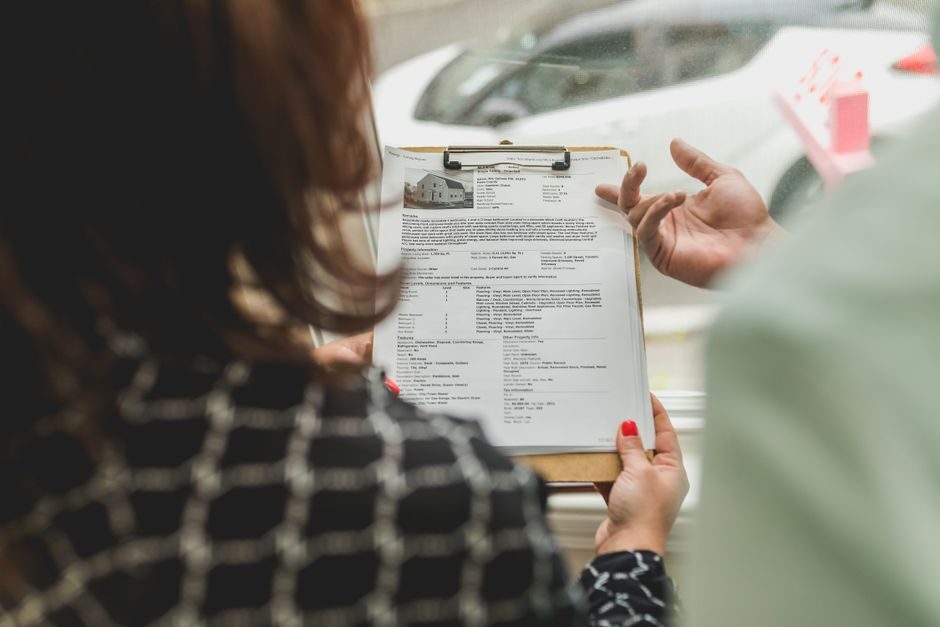
Walk away from a deal when the seller will not let you see the car’s documents, verify its identity or arrange a reasonable inspection. Check that the vehicle identification number on the car matches the registration papers. A dealership comparing specialist marketing providers can use an seo agency directory to identify potential agencies, but buyers should focus on vehicle checks.
Be cautious if the person selling the car is not the registered keeper and cannot clearly explain their authority to sell it. Check for mismatched names, missing keys or paperwork that appears incomplete, then ask for clarification before committing. A rushed explanation is not enough when ownership or the car’s identity is uncertain.
Watch for claims that sound too definite, such as a guarantee that a used car will never need repairs. Ask what evidence supports statements about accident history, mileage or recent work, and compare the answers with records. If the seller refuses to put an important claim in writing, treat it as unconfirmed rather than relying on it.
Avoiding Hidden Faults
Look beyond a clean exterior because fresh polish can make damage harder to notice in poor light. Inspect the body in daylight for uneven panel gaps, paint differences, rust around edges and signs of water inside the cabin. Check beneath floor mats and around the boot for dampness, musty smells or staining that could point to leaks.
Compare the car’s mileage with service records and inspection paperwork, looking for a plausible progression rather than a single reassuring figure. Uneven tyre wear, warning lights or a steering pull can signal issues that deserve professional assessment. Do not assume a fault is minor because the car still drives; ask a mechanic to diagnose it.
Remember that maintenance needs differ by vehicle age, powertrain and use. An electric car needs attention to battery condition and charging equipment, while a conventional car may need checks on the engine, clutch or exhaust. Ask for evidence relevant to that model, and budget for routine work that is due soon even if the car passes an inspection.
- Inspect the car in daylight.
- Check for damp carpets and boot lining.
- Compare mileage across available records.
- Ask a mechanic about unexplained warning signs.
Make a Confident Offer and Complete the Sale
Building a Fair Offer
Base your offer on comparable cars, the vehicle’s condition and any work it needs, rather than on the seller’s asking price alone. Compare similar models with matching age, mileage, specification and history. If an inspection identifies a repair, use a written estimate to explain your offer instead of making an unsupported guess.
- Agree the final price and any included work.
- Record deposit terms and the remaining balance.
- Check the seller and vehicle details on the paperwork.
- Collect all keys, documents and agreed items at handover.
Decide your maximum spend before negotiating and include immediate maintenance, insurance and registration costs in that limit. State your offer clearly and calmly, then give the seller time to respond. If the price does not move, ask whether a needed repair or an additional service can be addressed before you agree.
Do not let a small deposit become a reason to ignore unresolved concerns. Before paying, confirm whether it is refundable, what it reserves and how long the arrangement lasts, and keep the terms in writing. If the seller asks for money before allowing basic checks or providing clear paperwork, pause the transaction.
Completing Paperwork Safely
Read the sale documents before signing and make sure they record the correct vehicle, seller, buyer, price and date. Get any promises about repairs, accessories or warranty coverage written into the agreement. Keep copies of the advert, inspection report, messages and payment confirmation in case you need to check what was agreed later.
Use a payment method that gives you a clear record and verify the recipient before transferring funds. Do not pay a third party simply because the seller says it is convenient. For a private purchase, confirm that the person receiving payment is entitled to sell the car, and complete the official ownership and registration steps promptly.
At handover, check that the vehicle identification details match the documents and collect every key, manual and service record the seller has agreed to provide. Confirm how to contact the seller or warranty provider if a problem appears. Keep the car insured and legally registered before driving it away, and store the paperwork where you can find it.
Keep the Car in Good Shape After Purchase
Setting Up Maintenance
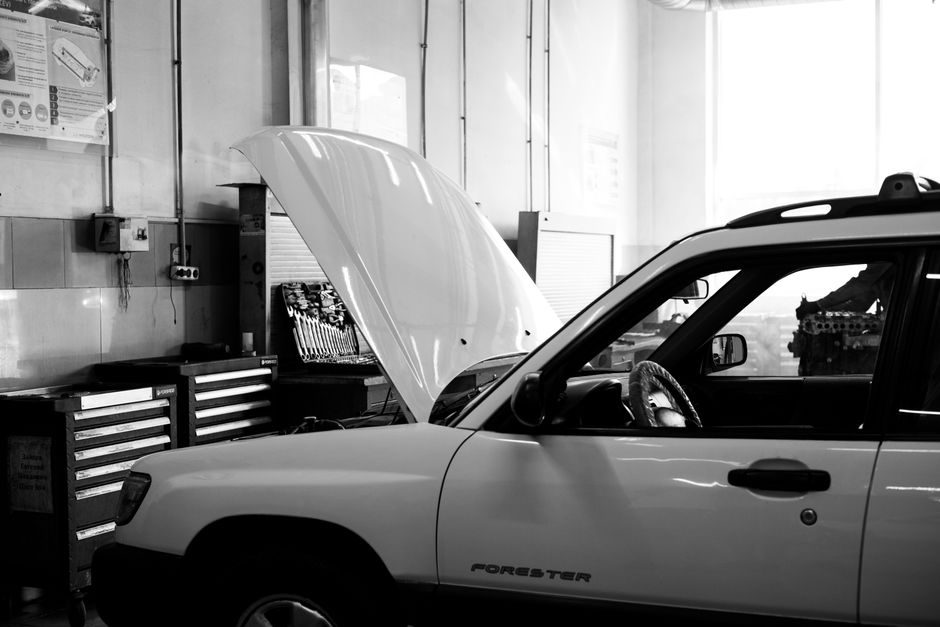
Book any overdue maintenance soon after buying the car, using the service schedule and available records to identify what is due. If the history is incomplete, ask a qualified mechanic to assess fluids, brakes, tyres and other safety-critical items. Keeping the first inspection report gives you a useful baseline for future repairs and routine servicing.
- Confirm overdue maintenance with a qualified mechanic.
- Keep service receipts and mileage records together.
- Respond promptly to safety-related warning lights.
Set reminders for inspections, fluid changes and other work specified for your model, and keep receipts in one place. A simple paper folder or digital file makes it easier to track repairs and show a future buyer what has been done. Record dates, mileage and parts replaced, rather than relying on memory.
Learn which warning lights require immediate attention and which indicate a service reminder by checking the owner’s manual. If a warning appears, do not cover it up by disconnecting a battery or repeatedly restarting the car. Note when it began, arrange diagnosis and follow the advice, especially if braking, steering or engine temperature is affected.
Protecting Everyday Condition
Check tyre pressure and tread regularly, and look for cuts or uneven wear that may indicate a problem. Keep the windscreen, lights and number plates clean so they remain easy to see, and top up washer fluid when needed. Small checks between services can reveal changes early and help you avoid preventable breakdowns.
Use the correct fuel, oil and other fluids listed in the owner’s manual, since specifications vary between vehicles. Avoid fitting parts or accessories that could affect safety or a warranty without checking first. If you drive an electric car, follow the maker’s guidance for charging and storage rather than assuming every battery routine is the same.
Address small faults before they grow into larger repairs. A new vibration, fluid mark under the car or change in braking deserves attention, even if the vehicle remains usable. Describe symptoms clearly to a repairer, including when they happen, and ask for an explanation of recommended work before authorising it.
- Check tyres and visible lights regularly.
- Use fluids that match the owner’s manual.
- Record repairs, dates and mileage.
- Investigate new noises or changes in handling.
Frequently asked questions
Should I always get an independent inspection?An independent inspection is especially useful when the car is expensive, its history is incomplete or you are unsure how to assess mechanical condition. A mechanic can identify faults that a short test drive may not reveal and explain likely repair priorities. If the seller refuses a reasonable inspection, consider that a warning sign and be prepared to leave the deal.
What should I check on a used electric car?Ask for the available battery-health information, charging history and details of any battery warranty, then confirm how the car’s range fits your regular journeys. Check that the charging cable and accessories are included if promised, and test the charging process where practical. An inspection should also cover ordinary safety items such as tyres, brakes, suspension and warning lights.
Is a car with higher mileage always a poor choice?Not necessarily. A well-maintained car with higher mileage may be a better prospect than a low-mileage example with gaps in its history or signs of neglect. Compare the condition, service evidence, type of driving and upcoming maintenance rather than judging by the odometer alone. A mechanic can help assess whether wear appears consistent with the recorded use.
What if a fault appears shortly after purchase?Keep a record of the symptoms, when they began and any repairer’s findings, and contact the seller promptly with the relevant documents. Your rights and the seller’s obligations depend on where you buy and the terms of the sale, so check the applicable consumer rules and any warranty. Avoid authorising major work before clarifying how it may affect a claim.
Choose with Evidence, Not Pressure
A strong used-car purchase starts with a clear idea of what you need, followed by checks that match the particular vehicle. Compare seller terms as carefully as prices, verify documents and identity, and treat unexplained faults or pressure to skip an inspection as reasons to pause. Once the car is yours, a maintenance record and timely attention to warning signs help protect its reliability and future value.
Before committing, make a short list of the questions still unanswered about the car, its history, condition and sale terms. Resolve them with documents, an independent inspection or a clear written agreement, then compare the total cost against your budget. If the evidence does not support the asking price—or the seller will not cooperate—walk away and continue looking.
Add Auto News as a preferred source on Google


