
What stories from the Bible mean for drivers today
Clear overview of what stories from the Bible are and how they relate to careful driving, vehicle care, and community responsibility for auto enthusiasts.

Stories from the Bible explain timeless values, not just ancient events. This article connects those narratives to practical driving wisdom, safety choices, and community-minded habits on the road. You’ll see how timeless lessons translate into habits behind the wheel and in shop day routines.
Whether you’re a casual reader or a maintenance-minded driver, these ideas help you approach trips, repairs, and breakdowns with clarity. You’ll learn how stories shape patience, planning, and respect for limits—qualities that keep cars, people, and communities safer.
The goal is a straightforward link between enduring stories and everyday decisions that affect your car, your commute, and your local auto scene. By the end, you’ll have concrete steps to apply these lessons on the road and in conversations about Rochdale’s auto community.
- Stories from the Bible can guide everyday driving through patience, foresight, and care for others on the road.
- Apply safety-minded lessons to pre-trip checks, weather planning, and respectful passing.
- Community sharing of experiences amplifies practical safety and vehicle knowledge for drivers.
- Use timeless narratives to inform responsible decisions without relying on hype or nonessential details.
Basics to know
What the bible is about
The Bible is a collection of writings that players of faith and everyday readers interpret in various ways. It contains narratives, laws, poetry, and letters that address moral choices, family life, and community obligations. For drivers, the key is learning to read stories for guidance rather than as a calendar of events. stories from the Rochdale community
It helps to remember the idea of stewardship: people are responsible for caring for others and for the resources they use, including roads, vehicles, and fuel. This mindset translates into safer habits and respectful driving.
Commonly cited themes, like patience and fairness, show up in planning routes, maintaining your vehicle, and helping others on the road during a breakdown.
- Read with a purpose: extract a practical lesson
- Note how characters handle risk and consequences
- Ask, What would I do differently on a trip?
- Apply the lesson to day-to-day driving decisions
- Share a short story with a car buddy to reinforce the point
How these stories influence driving
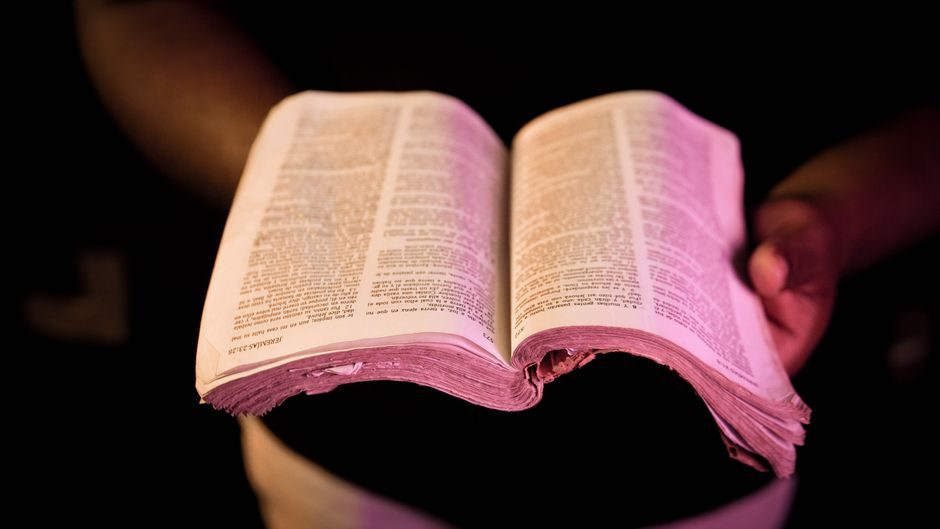
Safety lessons from narratives
Many stories emphasize foresight and caution before taking action. Translating this to driving means checking tires, fuel, and brake health before a long trip. It also means slowing down in bad weather or heavy traffic to avoid mistakes. A useful resource on this topic: local stories from Rochdale.
Narratives about consequences for rash decisions encourage a habit of pause—checking mirrors, signaling early, and planning a safe pass. This reduces surprises and helps you avoid costly missteps.
Over time, these patterns become routine: pre-drive checks, a calm approach to obstacles, and clear communication with passengers.
- Pre-trip inspection checklist
- Slow down in poor visibility
- Signal intentions early
- Respect tire wear and fluid levels
- Plan alternatives for traffic delays
Options for everyday drivers
Practical ways to apply the lessons
Apply cautious driving by building a simple pre-trip routine into your week. This reduces stress and extends the life of your tires and battery. Use a checklist and stick to it, even when you’re rushed. A useful resource on this topic: news from across Rochdale.
- Keep a small roadside kit in your car.
- Set a reminder for seasonal maintenance.
- Label the tool kit with a simple controller note.
If you join a local car club or online forum, you’ll hear real-world stories and tips that echo the biblical emphasis on community responsibility. Sharing fixes or safety tips builds trust and helps others on the road.
In maintenance, choose quality basics—filters, wipers, fluids—over flashy upgrades. The goal is reliable, predictable performance instead of novelty.
- Create a 5-minute pre-drive check
- Share a repair tip at a meetup
- Keep essential spares in the trunk
- Choose proven, durable maintenance parts
- Document simple fixes for future reference
| Option | Pros | Cons |
|---|---|---|
| Pre-trip routine | Improves safety, reduces surprise | Takes a few minutes each trip |
| Join local car club | Access to tips and support | Requires time commitment |
| Durable maintenance parts | Longer life, fewer failures | Higher upfront cost |
Rush decisions lead to ignored warnings, like a dashboard light or unusual sounds.
Pitfalls to avoid
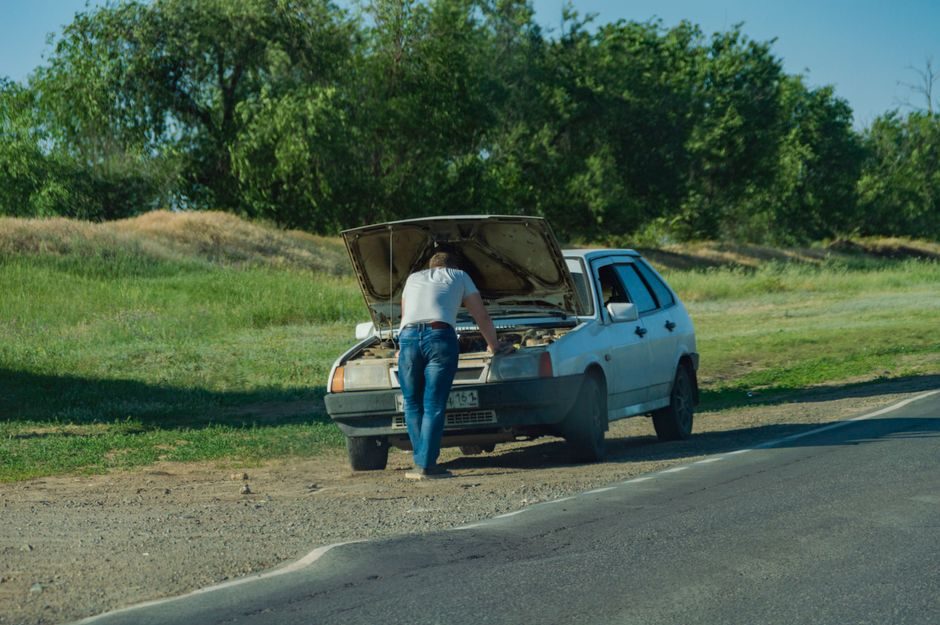
Common mistakes on the road
Rush decisions lead to ignored warnings, like a dashboard light or unusual sounds. When you notice something off, stop safely and assess before continuing. This mirrors how stories warn against impulsive actions.
- Avoid ignoring warning lights; address them promptly.
- Don’t skip scheduled maintenance or routine checks.
- Don’t drive when you feel unsure about a vehicle’s condition.
Overreliance on shortcuts can erode long-term reliability. Short-term gains from skipping maintenance accumulate as higher risk of breakdowns and safety hazards.
Failing to engage with the community around you, such as neighbors or local clubs, reduces chances to learn about local road conditions or shared resources.
- Ignore warning lights
- Skip routine maintenance
- Rely on speed over safety
- Avoid seeking local help or advice
- Drive beyond personal limits without planning
Ethical driving and community
Ethics guiding daily driving
Clear driving choices reflect personal responsibility and respect for others on the road. This means staying within speed limits, signaling intent, and avoiding aggressive reactions in tense moments. A calm driver reduces accidents and sets a steady example for passengers and nearby motorists.
Applying ethics translates to practical habits: using turn signals consistently, yielding to pedestrians, and maintaining space buffers in heavy traffic. These choices minimize risk and foster trust with fellow road users. Consistency matters more than dramatic gestures when roads are busy.
Cultivating a community mindset helps drivers anticipate others’ needs, like slowing for a child’s bicycle or allowing a bus to merge. When drivers treat the road as a shared space, the overall environment becomes safer and more predictable.
- Signaling early and clearly
- Respectting pedestrians and cyclists
- Maintaining safe following distances
- Avoiding tailgating and road rage
- Being patient in slow zones
Stories in Rochdale life

Local stories shaping habits
Rochdale’s stories reflect a culture of practical care, which translates to how residents share road tips and warn newcomers about hazards. Reading these accounts helps drivers anticipate local quirks, like common shortcut routes or popular gathering spots near schools. This broader awareness reduces confusion and boosts confidence behind the wheel.
Stories from nearby neighborhoods can illustrate successful, low-risk driving adjustments, such as adjusting routes for school pickups or adjusting travel times during weather. Seeing these real-life examples makes abstract advice feel doable and specific.
Residents often recount small acts of courtesy that ripple into safer streets, like helping drivers back out of tight spaces or letting others merge. Those moments become a repertoire drivers imitate, strengthening communal norms around safety.
- Neighborhood tips for peak hours
- Safe routes near schools
- Shared warnings about hazards
- Helpful observations from locals
- Practical driving rituals
How to find reliable local tips
Locating trustworthy sources
Begin with official channels: city transportation pages, school newsletters, and community association posts. These sources are more reliable for street closures, school zone timings, and service changes. Cross-reference with neighborhood bulletin boards for consistency.
- ☐ Confirm hours and closures
- ☐ Note school zones and speed limits
- ☐ Record safe alternate routes
- ☐ Share tips with family
Ask seasoned locals about recurring issues like potholes or rush-hour bottlenecks to tailor your route. Personal experience alongside formal guidance creates a realistic plan that adapts to daily conditions. Always verify tips before altering a routine.
Create a habit of updating your map apps with trusted local notes, so your GPS reflects real-time conditions. This reduces last-minute detours and keeps you moving with fewer surprises.
- Check official city updates
- Talk to long-time residents
- Verify changes before changing routes
- Keep maps updated and flag hazards
- Combine multiple sources for reliability
What to read next for drivers

Further reading ideas
Expand your reading to practical manuals that focus on defensive driving, vehicle maintenance, and local road etiquette. These resources help you translate broad ideas into daily routines on the road. Look for material that uses real-world examples and clear steps.
Defensive driving guides can outline anticipatory skills like scanning, speed management, and smooth braking. Practicing these techniques reduces risk and improves overall control in variable conditions.
Keep a log of your driving experiences, noting what worked and what didn’t in different weather or traffic scenarios. Use that journal to update your routines and refresh your approach to safety.
- Defensive driving basics
- Maintenance and safety checks
- Local road etiquette and norms
- Practical journaling for drivers
- Seasonal driving adaptations
Frequently asked questions
What is the central idea of the Bible stories for drivers?The central idea is that timeless narratives offer lessons in patience, responsibility, and community-minded behavior that translate to safer roads. They guide daily choices toward calm, foresight, and respect for others, rather than ritual instruction.
How do Rochdale stories help with driving today?Local stories reveal practical norms and common hazards, helping you choose routes, adjust timing, and interact more considerately with other drivers. They turn abstract safety advice into concrete, everyday actions.
Where should I start to find reliable local tips?Begin with official city channels, school notices, and trusted neighborhood groups. Cross-check information across multiple sources before altering your routine.
What kind of reading is most useful for drivers?Look for concise, action-oriented guides that translate theory into steps—pre-drive checks, route planning, defensive techniques, and etiquette. Prioritize sources with real-world examples.
Practical next steps for safer driving
A steady habit of ethical driving builds safety and community trust on the road. Use Rochdale stories to refine routes, anticipate hazards, and share tips with others. The outcome is calmer drives and a safer neighborhood.
Start small this week: verify a local tip, read a defensive driving brief, and keep a simple journal of what works on your commute. Building from one measurable change creates durable improvements.
Add Auto News as a preferred source on Google


