
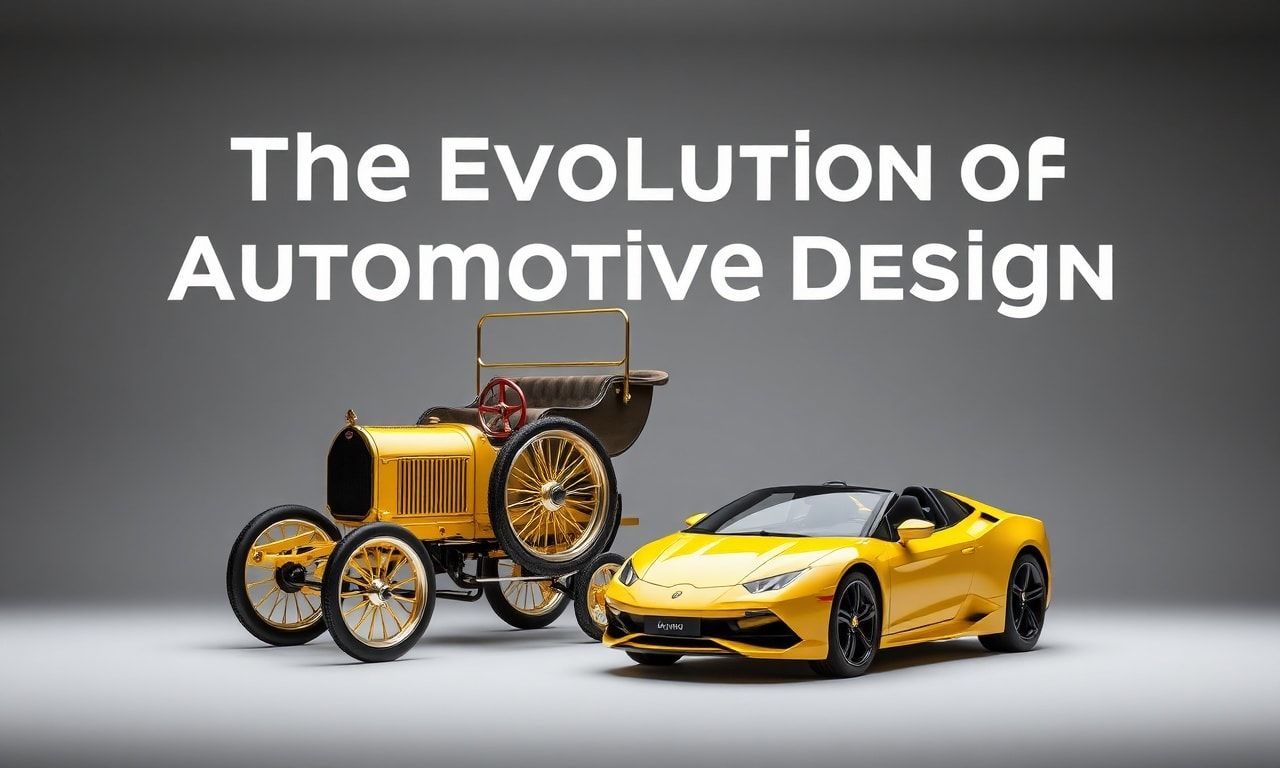
The Dawn of Automotive Innovation
The automotive industry has come a long way since the invention of the first gasoline-powered car by Karl Benz in 1885. The early days of automotive design were heavily influenced by horse-drawn carriages, with the first cars featuring similar body styles and mechanical components. However, as the technology evolved, so did the design, leading to the creation of the modern automobile.
One of the most significant changes in automotive design was the introduction of the assembly line by Henry Ford in 1913. This innovation allowed for the mass production of cars, making them more affordable and accessible to the general public. The assembly line also led to the standardization of car parts, which made repairs and maintenance more straightforward.
The Rise of the Automobile
As the automobile became more popular, so did the need for better roads and infrastructure. The government began to invest in the construction of highways and bridges, which made it easier for people to travel long distances. This, in turn, led to the growth of the automotive industry, with new car models being introduced every year.
During the 1920s and 1930s, the automotive industry saw a significant shift towards more aerodynamic designs. This was largely due to the influence of aviation, with car manufacturers looking to create vehicles that were faster and more efficient. The introduction of the V8 engine by Ford in 1932 was a significant milestone in this regard, as it allowed for greater horsepower and speed.
The Post-War Boom
The end of World War II saw a significant increase in the demand for automobiles. The war had led to a shortage of cars, and the returning soldiers were eager to start new lives and families. This led to a boom in the automotive industry, with new models being introduced every year.
One of the most significant changes during this period was the introduction of the tailfin. This design element was inspired by the aeronautics industry and was meant to improve the aerodynamics of the car. The tailfin became a popular feature in the 1950s and 1960s, with many car manufacturers incorporating it into their designs.
Another significant change during this period was the introduction of the muscle car. These cars were designed for speed and performance and were popular among young drivers. The muscle car era saw the introduction of iconic models such as the Ford Mustang, the Chevrolet Camaro, and the Dodge Challenger.
The Influence of Pop Culture
The automotive industry has always been influenced by pop culture, with car manufacturers often looking to movies and television shows for inspiration. For example, the popularity of the James Bond films in the 1960s led to an increase in the demand for luxury cars such as the Aston Martin.
Similarly, the popularity of sports such as NASCAR and Formula 1 has led to the development of high-performance cars. These cars are designed for speed and are often used in racing competitions. The influence of these sports can be seen in the design of many modern cars, with features such as spoilers and aerodynamic bodies becoming increasingly common.
The Modern Era
The modern era of automotive design has been characterized by a focus on safety, efficiency, and sustainability. The introduction of airbags, anti-lock brakes, and electronic stability control has made cars safer than ever before. Meanwhile, the development of hybrid and electric vehicles has made cars more environmentally friendly.
One of the most significant changes in the modern era has been the introduction of self-driving cars. These cars use advanced sensors and algorithms to navigate roads and avoid obstacles. While still in the development stage, self-driving cars have the potential to revolutionize the automotive industry, making driving safer and more efficient.
In addition to these technological advancements, the modern era has also seen a shift towards more personalized and customizable cars. Car manufacturers are now offering a wide range of options and features, allowing customers to create a car that is tailored to their specific needs and preferences. This trend is likely to continue in the future, with car manufacturers looking to provide even more customization options.
The Future of Automotive Design
The future of automotive design is likely to be shaped by several key trends. One of these is the increasing demand for electric vehicles. As concerns about climate change and air pollution continue to grow, more and more people are looking for sustainable and eco-friendly transportation options. This is likely to lead to the development of new electric vehicle models, as well as improvements in battery technology and charging infrastructure.
Another key trend is the increasing use of artificial intelligence and machine learning in automotive design. These technologies are being used to create cars that are more intuitive and responsive to the needs of the driver. For example, AI-powered systems can be used to monitor the driver’s behavior and adjust the car’s settings accordingly. This can help to improve safety and comfort, as well as reduce fuel consumption.
Finally, the future of automotive design is likely to be shaped by the increasing use of lightweight materials. These materials, such as carbon fiber and aluminum, are stronger and more durable than traditional materials such as steel. They are also lighter, which can help to improve the car’s performance and fuel efficiency. As a result, car manufacturers are increasingly using these materials in their designs, and this trend is likely to continue in the future.
The Role of Automotive Enthusiasts
Automotive enthusiasts play a crucial role in shaping the future of the industry. They are often the first to adopt new technologies and trends, and their passion for cars can inspire innovation and creativity. Whether it’s through customizing their own vehicles, participating in car shows, or simply sharing their knowledge and expertise with others, automotive enthusiasts help to keep the industry vibrant and dynamic.
For example, the popularity of the blackhawks jersey official store among sports fans has led to the development of new car models that cater to this demographic. Similarly, the growing interest in vintage and classic cars has led to a resurgence in the demand for restoration and maintenance services. By staying engaged and involved in the automotive community, enthusiasts can help to drive the industry forward and ensure that it continues to thrive for generations to come.
You may also find Elektrikli Araçlar: Geleceğin Mobilitesi helpful as it covers related aspects of this subject.