
The Rise of Electric Vehicles
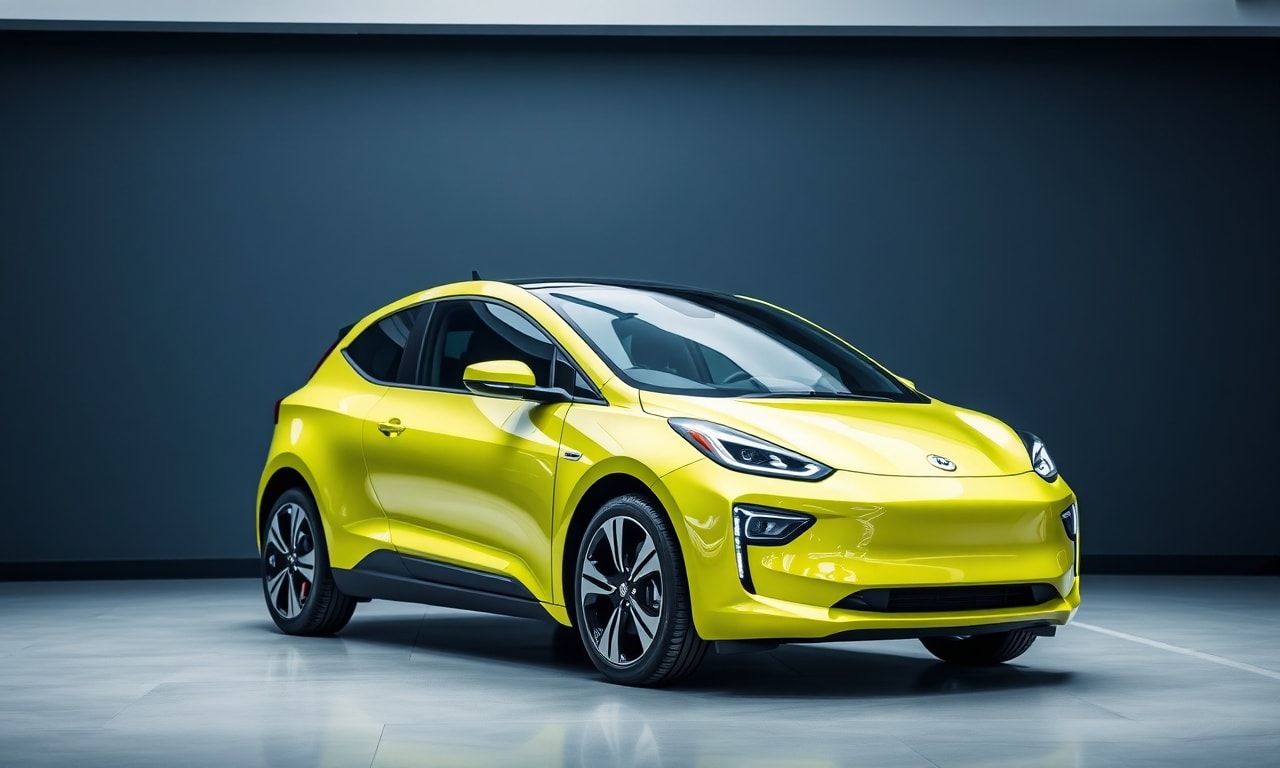
The automotive industry is undergoing a significant transformation with the rise of electric vehicles (EVs). This shift is driven by a combination of environmental concerns, technological advancements, and changing consumer preferences. As governments worldwide implement stricter emissions regulations, automakers are increasingly focusing on developing and producing electric vehicles. This article explores the evolution of EVs, their benefits, challenges, and what the future holds for this rapidly growing sector.
The Benefits of Electric Vehicles
Electric vehicles offer numerous advantages over their internal combustion engine (ICE) counterparts. Firstly, they produce zero tailpipe emissions, making them an environmentally friendly option. This reduction in emissions contributes to improved air quality and helps combat climate change. Additionally, EVs are generally more energy-efficient than traditional vehicles, converting over 77% of the electrical energy from the grid to power at the wheels, compared to only 12%-30% for gasoline vehicles.
Another significant benefit of EVs is their lower operating cost. Electricity is generally less expensive than gasoline, and EVs require less maintenance due to fewer moving parts. This translates to savings on fuel and maintenance costs over the lifetime of the vehicle. Moreover, many governments offer incentives such as tax credits, rebates, and exemptions from certain fees for EV owners, further reducing the overall cost of ownership.
Challenges Facing Electric Vehicles
Despite their numerous benefits, electric vehicles face several challenges that hinder their widespread adoption. One of the primary concerns is range anxiety, which refers to the fear of running out of battery power before reaching a charging station. While the average range of modern EVs has improved significantly, it still lags behind the range of traditional vehicles. Additionally, the availability of charging infrastructure varies widely, with some regions having extensive networks of charging stations while others lag behind.
Another challenge is the time it takes to charge an EV. While fast-charging technologies are improving, they still cannot match the speed and convenience of refueling a gasoline vehicle. Furthermore, the production of EVs relies on the mining of rare earth minerals, which raises concerns about the environmental and ethical implications of these practices.
The Future of Electric Vehicles
The future of electric vehicles looks promising, with continuous advancements in technology and increasing consumer acceptance. Automakers are investing heavily in research and development to improve battery technology, increase range, and reduce charging times. Innovations such as solid-state batteries and wireless charging are on the horizon, which could revolutionize the EV industry.
Governments around the world are also playing a crucial role in promoting the adoption of EVs. Policies such as stricter emissions standards, subsidies, and investments in charging infrastructure are accelerating the transition to electric mobility. Many countries have announced plans to phase out the sale of new gasoline and diesel vehicles in the coming decades, further driving the demand for EVs.
Staying Informed About Automotive News
As the automotive industry continues to evolve, staying informed about the latest developments is essential for both consumers and industry professionals. Keeping up with national news updates today can provide valuable insights into the latest trends, technological advancements, and policy changes that impact the automotive sector. Whether you are considering purchasing an electric vehicle or simply interested in the future of transportation, staying informed will help you make well-informed decisions.
Conclusion
The evolution of electric vehicles represents a significant shift in the automotive industry, driven by environmental concerns, technological advancements, and changing consumer preferences. While challenges such as range anxiety and charging infrastructure remain, the future of EVs looks bright with continuous innovations and supportive government policies. By staying informed about the latest developments, consumers and industry professionals can navigate this exciting transition and contribute to a more sustainable future.