
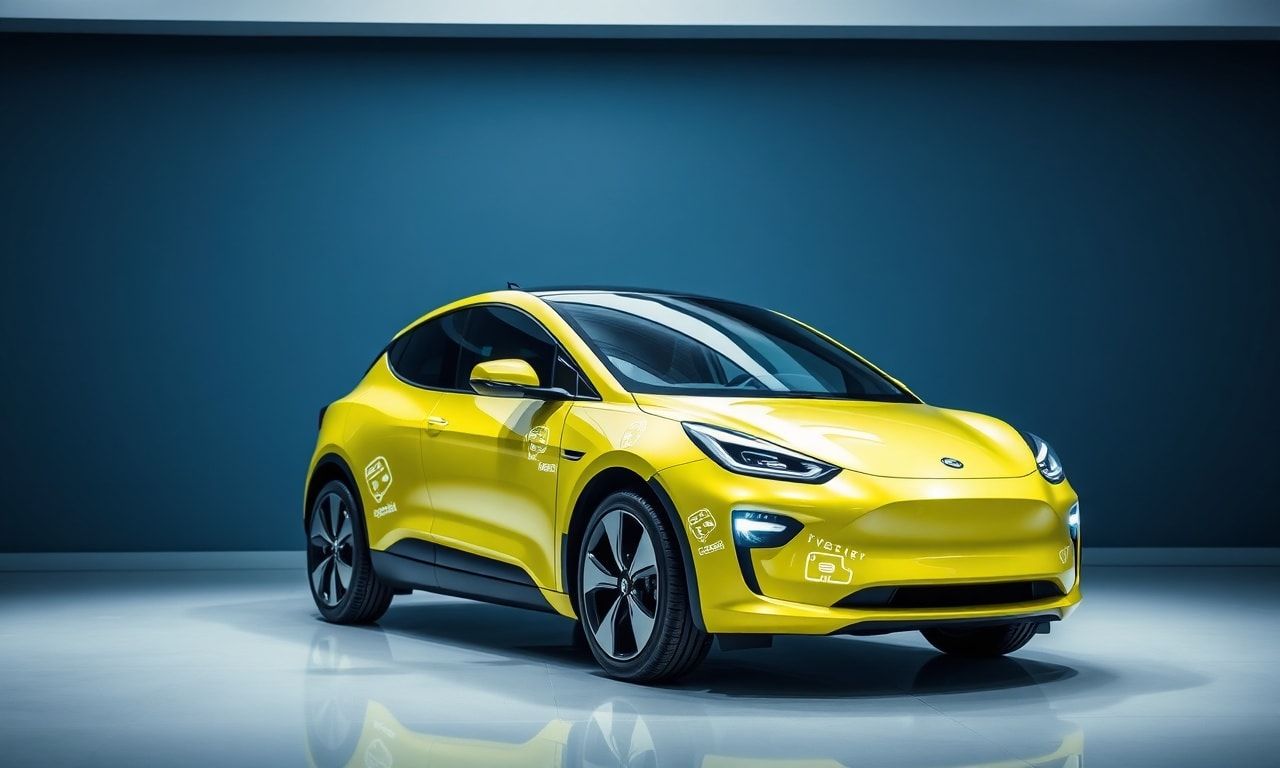
The Rise of Electric Vehicles
The automotive industry is undergoing a significant transformation with the rise of electric vehicles (EVs). This shift is driven by a combination of environmental concerns, technological advancements, and changing consumer preferences. EVs are no longer a niche market but are becoming mainstream, with major automakers investing heavily in electric vehicle technology. This article explores the evolution of electric vehicles, their impact on the automotive industry, and what the future holds for this rapidly growing sector.
Historical Background
The concept of electric vehicles dates back to the early 19th century, but it was not until the late 20th century that EVs began to gain traction. The first modern electric car, the General Motors EV1, was introduced in 1996 and marked a significant milestone in the development of electric vehicles. However, it was the launch of the Tesla Roadster in 2008 that truly revolutionized the EV market, demonstrating that electric cars could be both high-performance and environmentally friendly.
Technological Advancements
Advancements in battery technology have been a key driver in the growth of the EV market. Lithium-ion batteries, which are lighter and more efficient than traditional lead-acid batteries, have significantly increased the range and performance of electric vehicles. Additionally, improvements in charging infrastructure, such as fast-charging stations and wireless charging, have made EVs more convenient for consumers. These technological advancements have made electric vehicles a viable alternative to traditional internal combustion engine (ICE) vehicles.
In addition to battery technology, advancements in autonomous driving technology are also shaping the future of electric vehicles. Many EV manufacturers are integrating autonomous driving features into their vehicles, which not only enhances safety but also improves the overall driving experience. This integration of advanced technologies is making EVs more attractive to a broader range of consumers.
The Impact on the Automotive Industry
The rise of electric vehicles is having a profound impact on the automotive industry. Traditional automakers are investing heavily in EV technology to stay competitive in the market. For example, companies like Ford, General Motors, and Volkswagen have announced plans to electrify their vehicle lineups in the coming years. This shift is not only changing the types of vehicles being produced but also the supply chain and manufacturing processes within the industry.
The transition to electric vehicles is also creating new opportunities for innovation and collaboration. Automakers are partnering with technology companies and startups to develop new EV technologies and improve existing ones. This collaboration is driving rapid advancements in the EV market and accelerating the adoption of electric vehicles.
Environmental and Economic Benefits
One of the primary benefits of electric vehicles is their positive impact on the environment. EVs produce zero emissions, which helps to reduce air pollution and combat climate change. As more consumers switch to electric vehicles, the overall environmental impact of the transportation sector is expected to decrease significantly. Additionally, the use of renewable energy sources to power EVs further enhances their environmental benefits.
From an economic perspective, the growth of the EV market is creating new jobs and stimulating economic growth. The manufacturing and maintenance of electric vehicles require a skilled workforce, leading to the creation of new jobs in the automotive industry. Furthermore, the development of charging infrastructure and the production of EV components are contributing to economic growth in various sectors.
Challenges and Future Prospects
Despite the numerous benefits of electric vehicles, there are still challenges that need to be addressed. One of the main challenges is the limited range of some EV models, which can be a concern for consumers who frequently undertake long-distance travel. However, advancements in battery technology are continuously improving the range of electric vehicles, making them more suitable for a wider range of driving needs.
Another challenge is the cost of electric vehicles, which is often higher than that of traditional ICE vehicles. However, as battery technology becomes more affordable and economies of scale are achieved, the cost of EVs is expected to decrease, making them more accessible to a broader range of consumers. Additionally, government incentives and subsidies for EV purchases are helping to offset the higher upfront costs of electric vehicles.
The future of electric vehicles looks promising, with continued advancements in technology and increasing consumer adoption. As the automotive industry continues to evolve, electric vehicles are expected to play a central role in shaping the future of transportation. With ongoing innovations and investments, the EV market is poised for significant growth in the coming years.
For those interested in staying updated on the latest developments in the automotive industry, including the impact of major events like the olympic games news update, it is essential to follow reliable sources and industry news. This will ensure that you are well-informed about the latest trends and advancements in the EV market and the broader automotive industry.