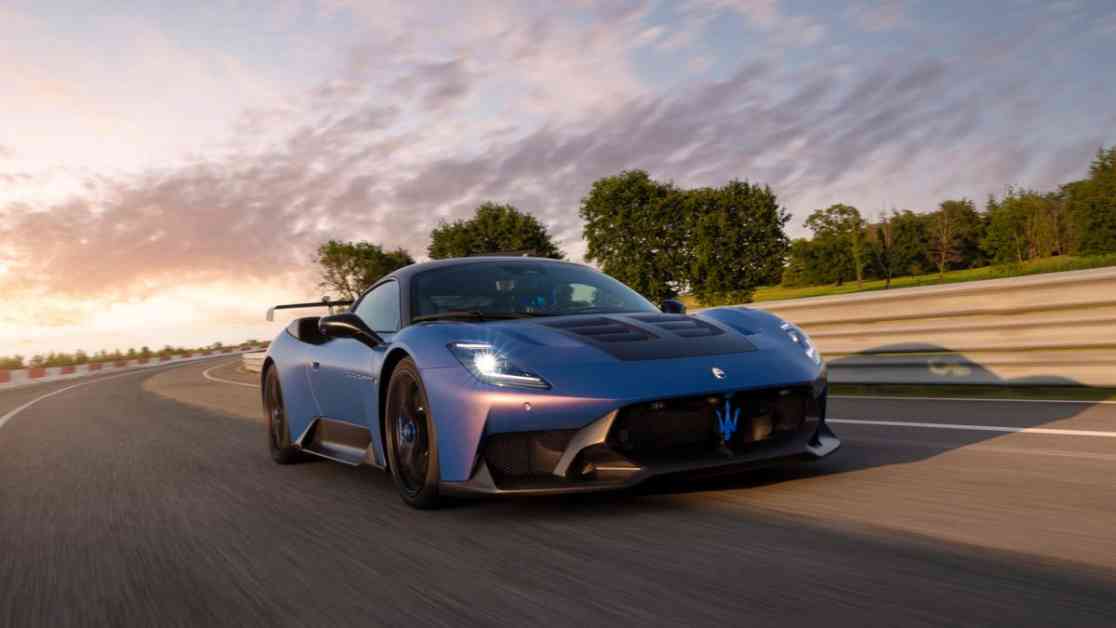
The Rise of Electric Vehicles

The automotive industry is undergoing a significant transformation, driven by the rise of electric vehicles (EVs). This shift is not just about the technology under the hood but represents a broader change in consumer behavior, environmental awareness, and regulatory pressures. The evolution of EVs is reshaping the way we think about transportation, energy consumption, and even global politics.

Electric vehicles have come a long way from their early incarnations. The first electric cars appeared in the late 19th century, but it wasn’t until the late 20th and early 21st centuries that they began to gain traction. Today, EVs are at the forefront of the automotive industry, with major manufacturers investing heavily in research and development to stay competitive.

One of the key drivers behind the rise of EVs is the growing concern over climate change. As governments and consumers alike become more aware of the environmental impact of traditional internal combustion engines, the demand for cleaner, more sustainable alternatives has surged. This shift is not just limited to passenger vehicles; commercial fleets, public transportation, and even heavy-duty vehicles are increasingly turning to electric power.

The Technology Behind Electric Vehicles

The technology behind electric vehicles is complex and multifaceted. At the heart of every EV is the battery, which stores the electrical energy that powers the vehicle. Advances in battery technology have been crucial in making EVs more viable. Lithium-ion batteries, for example, have significantly improved in terms of energy density, lifespan, and charging speed.

Another critical component is the electric motor, which converts electrical energy into mechanical energy to drive the wheels. Unlike traditional engines, electric motors are highly efficient and require less maintenance. This efficiency translates into lower operating costs and reduced environmental impact.

In addition to the battery and motor, EVs also feature advanced power electronics and control systems. These systems manage the flow of electrical energy, ensuring optimal performance and safety. The integration of these components is a testament to the ingenuity and innovation of the automotive industry.

The Impact on the Automotive Industry

The rise of electric vehicles is having a profound impact on the automotive industry. Traditional automakers are investing billions of dollars in EV development, while new players are emerging to challenge the status quo. This competition is driving innovation and accelerating the pace of technological advancement.

One of the most significant changes is the shift in supply chains. The production of EVs requires different materials and components compared to traditional vehicles. This has led to a reconfiguration of supply chains, with a greater emphasis on sourcing materials like lithium, cobalt, and nickel. The environmental and ethical implications of these materials are also being scrutinized, leading to a push for more sustainable and responsible sourcing practices.

The impact of EVs is also being felt in the aftermarket and service sectors. With fewer moving parts and less frequent maintenance requirements, the traditional service model is being disrupted. This has led to the development of new business models and service offerings tailored to the needs of EV owners.

The Future of Electric Vehicles

The future of electric vehicles looks bright, with continued advancements in technology and increasing consumer adoption. As battery technology improves, the range and performance of EVs will continue to enhance, making them more attractive to a broader audience. The development of faster charging infrastructure will also play a crucial role in accelerating the adoption of EVs.

In addition to technological advancements, regulatory pressures and incentives are driving the growth of the EV market. Governments around the world are implementing policies to promote the adoption of electric vehicles, including subsidies, tax incentives, and stricter emissions standards. These measures are helping to create a more favorable environment for EVs and encouraging consumers to make the switch.

As the automotive industry continues to evolve, the role of electric vehicles will become even more prominent. The shift towards electrification is not just a trend but a fundamental change in the way we think about transportation. This transformation is reshaping the automotive landscape and paving the way for a more sustainable and efficient future.

The Cultural Impact of Electric Vehicles

The rise of electric vehicles is not just a technological and environmental phenomenon but also a cultural one. As EVs become more mainstream, they are influencing consumer behavior, lifestyle choices, and even global discourse. For instance, the adoption of EVs is often seen as a statement of environmental consciousness and a commitment to sustainable living. This cultural shift is reflected in various aspects of society, from media coverage to public policy.

For those interested in staying updated on the latest cultural trends and news, including the impact of electric vehicles, resources like cultural news headlines today provide valuable insights. These platforms offer a comprehensive look at how technological advancements are shaping our world and influencing cultural narratives.

The cultural impact of EVs is also evident in the way they are portrayed in popular media. From movies and TV shows to advertising campaigns, electric vehicles are increasingly featured as symbols of innovation, sustainability, and progress. This portrayal helps to normalize the idea of electric transportation and makes it more appealing to a wider audience.

Conclusion

The evolution of electric vehicles represents a paradigm shift in the automotive industry. From technological advancements to cultural influences, the rise of EVs is reshaping the way we think about transportation, energy, and sustainability. As the industry continues to evolve, the role of electric vehicles will become even more prominent, driving innovation and paving the way for a more sustainable future.