
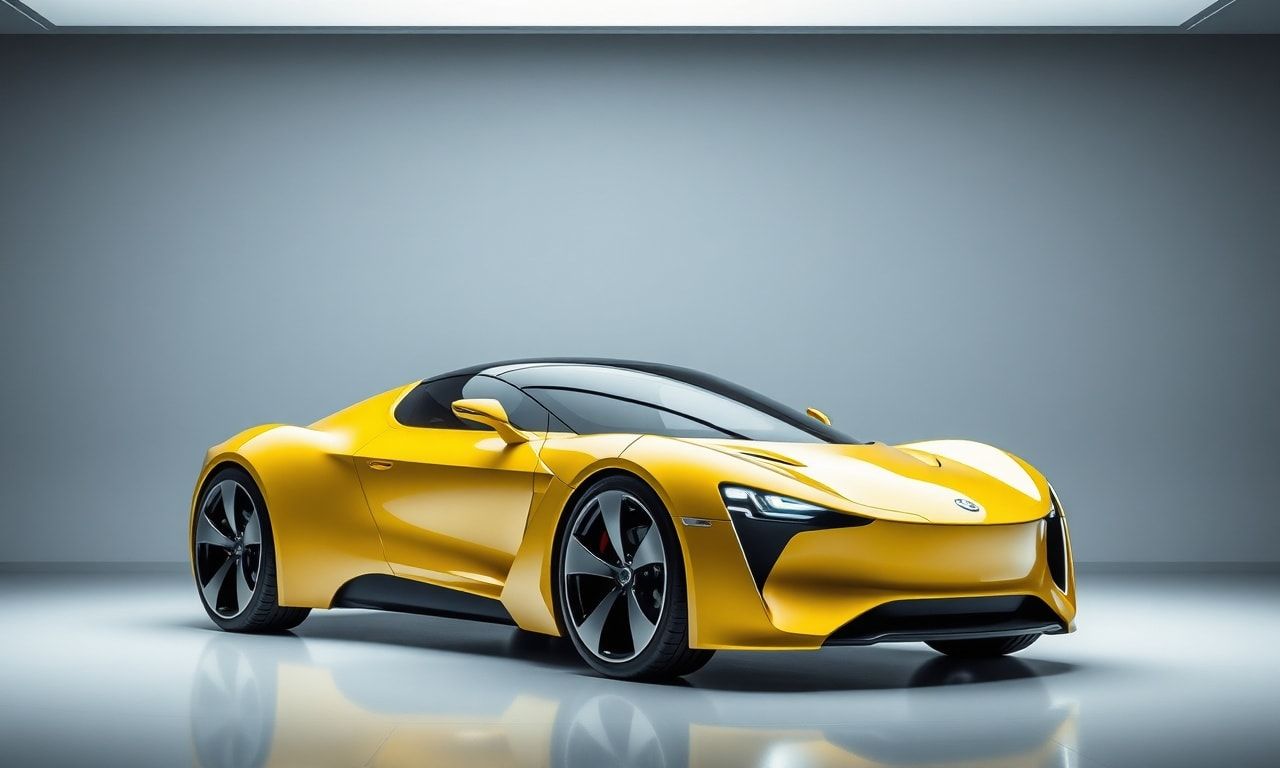
The Evolution of Automotive Design
The automotive industry has witnessed a remarkable evolution over the past century. From the humble beginnings of the Model T to the sleek, high-tech vehicles of today, the journey has been nothing short of extraordinary. Automotive design has always been a blend of art and engineering, where aesthetics meet functionality. The early days were characterized by simple, utilitarian designs, but as technology advanced, so did the complexity and sophistication of vehicle design.
The Role of Technology in Modern Automotive Design
Today, technology plays a pivotal role in shaping the future of automotive design. The integration of advanced materials, such as carbon fiber and aluminum, has made vehicles lighter and more fuel-efficient. Additionally, the advent of electric vehicles (EVs) has revolutionized the industry, pushing designers to think beyond traditional internal combustion engines. The rise of autonomous driving technology is also transforming the way vehicles are designed, with a greater emphasis on passenger comfort and safety.
One of the most significant technological advancements in recent years is the development of smart materials. These materials can change their properties in response to external stimuli, such as temperature or pressure. For instance, self-healing coatings can repair minor scratches automatically, reducing the need for frequent maintenance. This not only enhances the vehicle’s longevity but also reduces the environmental impact.
The Impact of Sustainability on Automotive Design
Sustainability is another key factor driving the future of automotive design. As consumers become more environmentally conscious, automakers are increasingly focusing on eco-friendly materials and production processes. The use of recycled materials, such as reclaimed plastics and metals, is becoming more common. Furthermore, the shift towards electric and hybrid vehicles is a direct response to the growing demand for greener transportation options.
In addition to materials, the design of vehicles is also being influenced by the need for sustainability. Aerodynamic shapes, lightweight structures, and efficient energy management systems are all contributing to the development of more sustainable vehicles. The automotive industry is also exploring the use of renewable energy sources, such as solar and wind power, to reduce its carbon footprint.
The Importance of User Experience in Automotive Design
User experience (UX) is a critical aspect of modern automotive design. As vehicles become more technologically advanced, the need for intuitive and user-friendly interfaces has become paramount. The integration of infotainment systems, advanced driver-assistance systems (ADAS), and connectivity features has transformed the driving experience. Designers are now focusing on creating seamless and enjoyable user experiences that cater to the diverse needs of drivers and passengers.
One example of this is the increasing use of voice-controlled systems. These systems allow drivers to control various functions of the vehicle, such as navigation, climate control, and entertainment, without taking their hands off the wheel. This not only enhances safety but also improves the overall driving experience. Additionally, the use of augmented reality (AR) and virtual reality (VR) technologies is revolutionizing the way drivers interact with their vehicles.
The Influence of Cultural and Social Factors
Cultural and social factors also play a significant role in shaping automotive design. Different regions have unique preferences and requirements, which influence the design and features of vehicles. For instance, in urban areas, compact and efficient vehicles are preferred, while in rural areas, larger and more robust vehicles are favored. Additionally, cultural aesthetics and design preferences can vary significantly from one region to another.
For example, in Europe, there is a strong emphasis on design and aesthetics, with a preference for sleek and stylish vehicles. In contrast, in the United States, there is a greater focus on functionality and practicality, with a preference for larger vehicles. Understanding these cultural and social factors is crucial for automakers to design vehicles that resonate with their target audience. It is also important to consider the needs of children and families. For instance, designing vehicles with child-friendly features, such as Frankfurt Bibliotheken für Kinder, can make them more appealing to families.
The Future of Automotive Design: Trends and Predictions
The future of automotive design is set to be even more exciting, with several key trends and predictions shaping the industry. One of the most significant trends is the continued rise of electric and autonomous vehicles. As battery technology improves, EVs are becoming more affordable and accessible, making them a viable option for a wider range of consumers. Similarly, the development of autonomous driving technology is expected to revolutionize the way we travel, with self-driving cars becoming a common sight on our roads.
Another trend that is gaining momentum is the use of modular and customizable designs. Consumers are increasingly looking for vehicles that can be tailored to their specific needs and preferences. This has led to the development of modular platforms that allow for greater flexibility in design and configuration. Additionally, the use of 3D printing technology is enabling automakers to create bespoke components and parts, further enhancing the customization options available to consumers.
The Role of Artificial Intelligence in Automotive Design
Artificial intelligence (AI) is another technology that is set to have a profound impact on the future of automotive design. AI-powered tools and algorithms are being used to optimize vehicle design, improve manufacturing processes, and enhance the driving experience. For instance, AI can be used to analyze vast amounts of data to identify patterns and trends, enabling designers to create more efficient and effective vehicle designs.
Additionally, AI can be used to develop advanced driver-assistance systems (ADAS) that can anticipate and respond to potential hazards on the road. This not only enhances safety but also improves the overall driving experience. Furthermore, AI can be used to personalize the driving experience, with features such as adaptive learning and personalized recommendations.
The Importance of Collaboration and Innovation
Collaboration and innovation are key to the future of automotive design. Automakers are increasingly partnering with technology companies, startups, and research institutions to develop cutting-edge solutions and technologies. This collaborative approach enables automakers to leverage the expertise and resources of their partners, accelerating the pace of innovation and development.
Innovation is also being driven by the need to address the challenges of urbanization, sustainability, and connectivity. Automakers are exploring new business models, such as mobility-as-a-service (MaaS), which offer consumers flexible and affordable transportation options. Additionally, the development of smart cities and connected infrastructure is creating new opportunities for automakers to integrate their vehicles into the broader transportation ecosystem.
In conclusion, the future of automotive design is set to be shaped by a combination of technological advancements, sustainability, user experience, cultural and social factors, and collaboration. As the industry continues to evolve, automakers will need to adapt and innovate to meet the changing needs and preferences of consumers. By embracing these trends and predictions, automakers can create vehicles that are not only functional and efficient but also stylish and enjoyable to drive.
Ever wondered how technology is reshaping industries beyond automotive? Discover the fascinating blend of tech and theater in our latest feature, innovations transforming live performances, and see how it might inspire future vehicle design and maintenance.
Just as maintaining your vehicle requires understanding its various components, managing your finances needs a similar approach; dive into personal finance and investing basics to ensure a smooth ride through your financial journey.
As urbanization and housing challenges grow, so does the need for innovative solutions, much like those seen in the automotive industry’s shared mobility models; discover how cooperative living could be a game-changer in exploring cooperative housing options.