
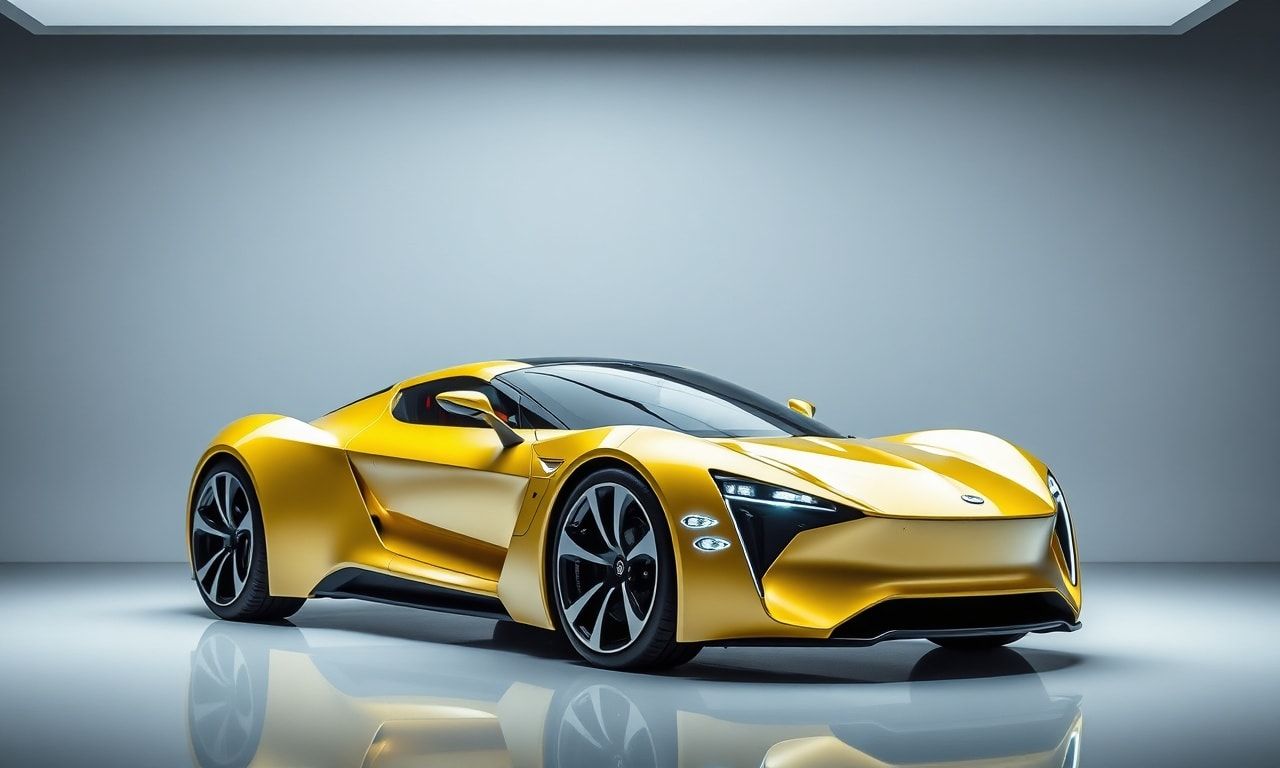
The Evolution of Automotive Design
The automotive industry has always been at the forefront of design innovation, constantly pushing boundaries to create vehicles that are not only functional but also aesthetically pleasing. From the sleek lines of classic cars to the futuristic designs of modern vehicles, automotive design has evolved significantly over the years. This evolution is driven by a combination of technological advancements, changing consumer preferences, and a growing emphasis on sustainability.
The Role of Technology in Modern Automotive Design
Technology plays a pivotal role in shaping the future of automotive design. Advances in materials science, computer-aided design (CAD), and 3D printing have revolutionized the way cars are designed and manufactured. These technologies allow designers to experiment with new shapes, materials, and functionalities, resulting in vehicles that are lighter, stronger, and more efficient. Additionally, the integration of smart technologies, such as advanced driver-assistance systems (ADAS) and infotainment systems, has transformed the driving experience, making it safer and more enjoyable.
One of the most exciting developments in automotive design is the use of artificial intelligence (AI) and machine learning. These technologies enable designers to analyze vast amounts of data to identify trends and patterns, which can then be used to create more personalized and user-friendly designs. For example, AI can be used to optimize the aerodynamics of a vehicle, reducing drag and improving fuel efficiency. This not only enhances the performance of the vehicle but also contributes to a more sustainable future.
The Impact of Sustainability on Automotive Design
Sustainability is another key factor driving innovation in automotive design. As consumers become more environmentally conscious, automakers are increasingly focused on developing eco-friendly vehicles. This includes the use of sustainable materials, such as recycled plastics and biodegradable composites, as well as the adoption of electric and hybrid powertrains. The shift towards electric vehicles (EVs) is particularly significant, as it represents a fundamental change in the way cars are designed and powered.
Designers are also exploring new ways to integrate sustainability into the overall aesthetic of a vehicle. For example, some manufacturers are using natural materials, such as wood and leather, to create a more organic and eco-friendly look. Others are experimenting with innovative painting techniques that reduce the environmental impact of the manufacturing process. These efforts not only enhance the visual appeal of the vehicle but also contribute to a more sustainable future.
The Importance of Interior Design
While exterior design is often the focus of automotive innovation, interior design is equally important. The interior of a vehicle plays a crucial role in the overall driving experience, affecting comfort, safety, and functionality. Advances in materials science and ergonomics have led to the development of more comfortable and intuitive interiors. For example, the use of lightweight materials, such as carbon fiber and aluminum, has resulted in lighter and more fuel-efficient vehicles.
In addition to functionality, interior design also plays a significant role in the overall aesthetic of a vehicle. Designers are increasingly focused on creating interiors that are not only comfortable but also visually appealing. This includes the use of high-quality materials, such as leather and wood, as well as innovative lighting and color schemes. The goal is to create an interior that is both functional and visually stunning, enhancing the overall driving experience.
The Future of Automotive Design
The future of automotive design is bright, with numerous innovations on the horizon. One of the most exciting developments is the use of augmented reality (AR) and virtual reality (VR) in the design process. These technologies allow designers to create virtual prototypes of vehicles, enabling them to test and refine designs before they are manufactured. This not only speeds up the design process but also reduces the cost and environmental impact of prototyping.
Another exciting development is the use of biometric sensors and AI to create personalized driving experiences. For example, sensors can be used to monitor the driver’s heart rate and stress levels, adjusting the vehicle’s settings to enhance comfort and safety. This not only improves the driving experience but also contributes to a more sustainable future by reducing the need for manual adjustments.
As the automotive industry continues to evolve, designers will need to adapt to new technologies and consumer preferences. This includes a greater emphasis on sustainability, personalization, and connectivity. By embracing these trends, designers can create vehicles that are not only functional and aesthetically pleasing but also contribute to a more sustainable future. Whether you’re a car enthusiast or simply looking to upgrade your vehicle, staying informed about the latest trends in automotive design can help you make the best choices for your needs.
For those interested in enhancing the interior of their vehicles, exploring resources like ev dekorasyonu yapmak için en iyi yöntemler can provide valuable insights and inspiration. By combining innovative design techniques with sustainable materials, you can create a vehicle that is both functional and visually appealing.
Ever wondered how nature can inspire car care? Discover plant-based maintenance tips to boost your vehicle’s health and performance.