The Evolution of the Automotive Industry
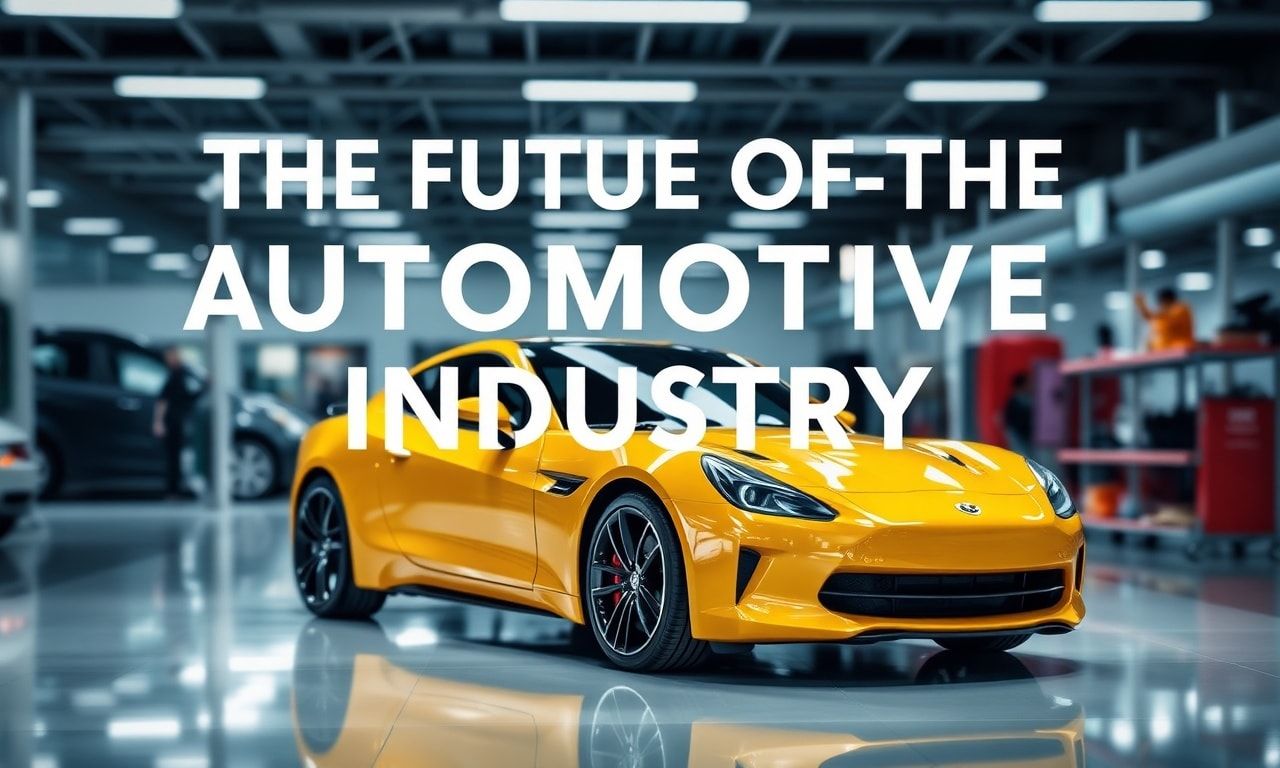
The automotive industry has undergone significant transformations over the past century. From the invention of the first gasoline-powered car to the advent of electric vehicles (EVs), the industry has continuously evolved to meet the changing needs of consumers and the environment. Today, the automotive sector is on the cusp of another major shift, driven by technological advancements, regulatory changes, and shifting consumer preferences.
Emerging Technologies in the Automotive Sector
Technological innovations are at the forefront of the automotive industry’s evolution. Electric vehicles, autonomous driving, and connected cars are some of the most significant trends shaping the future of the sector. EVs, in particular, are gaining traction as consumers become more environmentally conscious and governments implement stricter emissions regulations. Companies like Tesla, Nissan, and BMW are leading the charge in developing cutting-edge EV technologies.
Autonomous driving is another area of rapid development. Self-driving cars promise to revolutionize transportation by reducing accidents, easing traffic congestion, and providing mobility solutions for those who cannot drive. Major players like Waymo, Uber, and traditional automakers are investing heavily in autonomous vehicle technology. Connected cars, which integrate internet connectivity and advanced infotainment systems, are also becoming increasingly popular, offering drivers enhanced safety and convenience features.
The Role of Artificial Intelligence and Big Data
Artificial Intelligence (AI) and Big Data are playing a crucial role in the development of next-generation vehicles. AI algorithms enable autonomous driving systems to make real-time decisions based on vast amounts of data collected from sensors and cameras. Big Data analytics help automakers understand consumer behavior, improve vehicle performance, and optimize supply chain management.
Moreover, AI and Big Data are being used to enhance vehicle maintenance and diagnostics. Predictive maintenance systems can detect potential issues before they become serious problems, reducing downtime and repair costs. This technology is particularly beneficial for fleet operators and commercial vehicles, where minimizing downtime is critical for business operations.
The Impact of Regulatory Changes
Governments around the world are implementing stricter regulations to address environmental concerns and improve road safety. Emissions standards are becoming more stringent, pushing automakers to develop cleaner and more efficient vehicles. For instance, the European Union’s Euro 7 emissions standards, set to take effect in 2025, will require significant reductions in vehicle emissions.
In addition to emissions regulations, governments are also promoting the adoption of electric vehicles through incentives and subsidies. For example, many countries offer tax credits, rebates, and other financial incentives to encourage consumers to purchase EVs. These policies are expected to drive the growth of the EV market in the coming years.
Shifting Consumer Preferences
Consumer preferences are also shaping the future of the automotive industry. Today’s consumers are more environmentally conscious and tech-savvy than ever before. They demand vehicles that are not only efficient and reliable but also equipped with the latest technology and connectivity features.
Sustainability is a key consideration for many consumers. The demand for electric and hybrid vehicles is on the rise, as consumers seek to reduce their carbon footprint. Additionally, the concept of shared mobility is gaining popularity, with services like car-sharing and ride-hailing becoming more prevalent. These trends are reshaping the traditional ownership model and driving the development of new mobility solutions.
The Future of Vehicle Ownership
The traditional model of vehicle ownership is evolving. While personal car ownership remains the norm, alternative mobility solutions are gaining traction. Car-sharing, ride-hailing, and subscription-based models are becoming increasingly popular, especially in urban areas where parking and traffic congestion are major issues.
Autonomous vehicles are expected to further disrupt the traditional ownership model. Self-driving cars could enable new mobility-as-a-service (MaaS) models, where consumers pay for transportation services rather than owning a vehicle. This shift could have significant implications for automakers, insurers, and urban planners.
Moreover, the rise of the gig economy is driving demand for flexible and affordable transportation solutions. Ride-hailing services like Uber and Lyft are providing employment opportunities for drivers, while also offering convenient and cost-effective transportation options for consumers. As the gig economy continues to grow, the demand for shared mobility solutions is expected to increase.
The Role of Infrastructure in the Future of Automotive
Infrastructure development is critical to supporting the growth of the automotive industry. The widespread adoption of electric vehicles, for instance, requires a robust charging infrastructure. Governments and private companies are investing in the development of charging networks to support the growing number of EVs on the road.
Similarly, the development of autonomous driving technology requires advanced infrastructure, such as smart traffic management systems and vehicle-to-infrastructure (V2I) communication networks. These technologies enable autonomous vehicles to navigate complex urban environments safely and efficiently.
In addition to technological infrastructure, regulatory frameworks and policies are also essential for supporting the growth of the automotive industry. Governments must create a favorable environment for innovation and investment, while also ensuring the safety and security of consumers.
Investing in the Automotive Industry
Investing in the automotive industry offers significant opportunities for growth and innovation. As the sector undergoes rapid transformation, investors are looking for companies that are at the forefront of technological advancements and market trends. Electric vehicles, autonomous driving, and connected cars are some of the most promising areas for investment.
Moreover, the automotive industry is increasingly interconnected with other sectors, such as real estate and technology. For instance, the development of smart cities and urban mobility solutions is creating new opportunities for investment in the automotive sector. According to Qatar property market prices 2026, the real estate market is also experiencing significant growth, driven by urbanization and technological advancements. This trend is expected to have a positive impact on the automotive industry, as the demand for efficient and sustainable transportation solutions increases.
Investors should also consider the potential risks and challenges associated with the automotive industry. Regulatory changes, technological disruptions, and shifting consumer preferences can all impact the performance of automotive companies. Therefore, it is essential to conduct thorough research and analysis before making investment decisions.
The future of the automotive industry is bright, with numerous opportunities for growth and innovation. As technological advancements, regulatory changes, and shifting consumer preferences continue to shape the sector, investors and industry stakeholders must stay informed and adapt to the evolving landscape. By embracing new technologies and trends, the automotive industry can continue to thrive and meet the changing needs of consumers and the environment.