
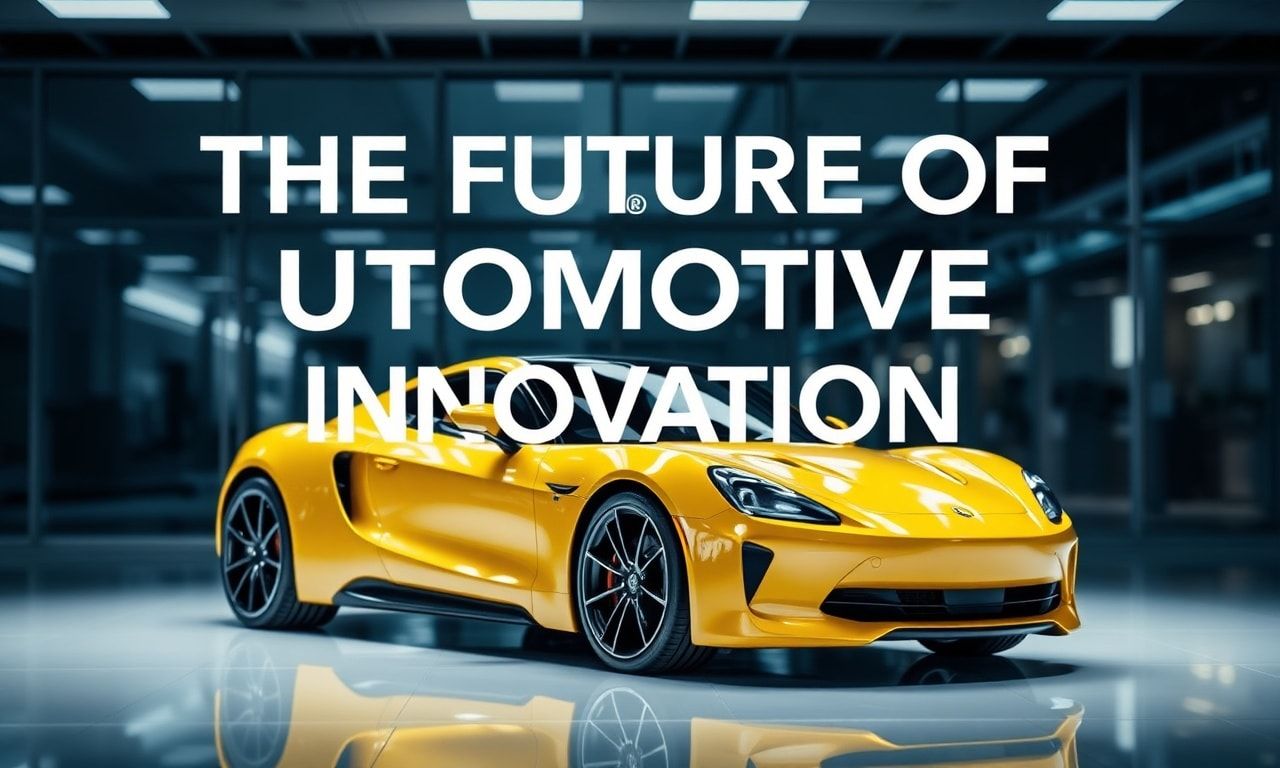
The Evolution of the Automotive Industry
The automotive industry has undergone a remarkable transformation over the past century. From the invention of the first gasoline-powered car to the advent of electric vehicles (EVs), the journey has been nothing short of revolutionary. Today, the industry is on the cusp of another significant shift, driven by technological advancements and changing consumer preferences. Understanding these trends is crucial for anyone involved in the automotive sector, from manufacturers to enthusiasts.
One of the most notable changes in recent years has been the rise of electric vehicles. With governments around the world setting ambitious targets to reduce carbon emissions, automakers are increasingly focusing on developing EVs. This shift is not only driven by environmental concerns but also by the growing demand for sustainable transportation solutions. As a result, we are witnessing a rapid expansion of the EV market, with new models and innovations being introduced regularly.
In addition to EVs, other technological advancements are also shaping the future of the automotive industry. Autonomous driving, connected cars, and advanced safety features are just a few examples of the innovations that are set to redefine the way we interact with our vehicles. These advancements are not only improving the driving experience but also enhancing safety and efficiency on the roads.
The Rise of Electric Vehicles
The rise of electric vehicles is one of the most significant trends in the automotive industry today. With concerns about climate change and air pollution on the rise, many consumers are looking for more sustainable transportation options. EVs offer a cleaner and more efficient alternative to traditional gasoline-powered cars, making them an attractive choice for environmentally conscious consumers.
Automakers are responding to this demand by investing heavily in EV development. Companies like Tesla, Nissan, and BMW are leading the charge, introducing new models with longer ranges and faster charging times. The competition in the EV market is intense, with each manufacturer striving to outdo the other in terms of performance, design, and affordability. This competition is driving innovation and pushing the boundaries of what is possible in the world of electric vehicles.
Governments are also playing a crucial role in promoting the adoption of EVs. Many countries have introduced incentives such as tax credits, rebates, and subsidies to encourage consumers to switch to electric vehicles. These incentives, combined with the growing availability of charging infrastructure, are making EVs a more viable option for a wider range of consumers. As a result, the EV market is expected to continue its rapid growth in the coming years.
Autonomous Driving: The Next Frontier
Autonomous driving is another major trend that is set to revolutionize the automotive industry. The idea of self-driving cars has captivated the imagination of consumers and industry experts alike, promising a future where vehicles can navigate roads without human intervention. While fully autonomous cars are still a few years away from becoming a reality, significant progress has been made in this area.
Companies like Tesla, Waymo, and Uber are at the forefront of autonomous driving technology, investing billions of dollars in research and development. These companies are using a combination of sensors, cameras, and artificial intelligence to develop self-driving systems that can navigate complex road conditions. While there are still challenges to overcome, such as ensuring the safety and reliability of these systems, the progress made so far is impressive.
Autonomous driving has the potential to transform the way we think about transportation. It could reduce traffic congestion, improve road safety, and provide new mobility solutions for people who are unable to drive. For example, self-driving taxis could offer a convenient and affordable transportation option for urban residents, while autonomous delivery vehicles could revolutionize the logistics industry. The possibilities are endless, and the impact of autonomous driving on the automotive industry is likely to be profound.
The Importance of Staying Informed
In an industry that is evolving as rapidly as the automotive sector, staying informed about the latest trends and developments is crucial. Whether you are a manufacturer, a dealer, or an enthusiast, keeping up with the latest news and insights can help you make better decisions and stay ahead of the competition. This is where resources like top business news for business innovators can be invaluable. These platforms provide up-to-date information on the latest trends, technological advancements, and market developments, helping you stay informed and make informed decisions.
In addition to staying informed, it is also important to adapt to the changing landscape of the automotive industry. This may involve investing in new technologies, developing new business models, or exploring new markets. For example, as the demand for EVs continues to grow, automakers may need to invest in battery technology and charging infrastructure to meet consumer expectations. Similarly, as autonomous driving becomes a reality, companies may need to develop new business models to capitalize on this emerging market.
Ultimately, the key to success in the automotive industry is to embrace change and innovation. By staying informed, adapting to new trends, and investing in the future, companies can position themselves for long-term success in this dynamic and rapidly evolving industry.
Conclusion
The automotive industry is undergoing a significant transformation, driven by technological advancements and changing consumer preferences. From the rise of electric vehicles to the development of autonomous driving technology, the future of the automotive industry is filled with exciting possibilities. By staying informed and adapting to these changes, companies can position themselves for success in this dynamic and rapidly evolving industry. Whether you are a manufacturer, a dealer, or an enthusiast, understanding these trends is crucial for navigating the challenges and opportunities that lie ahead.