
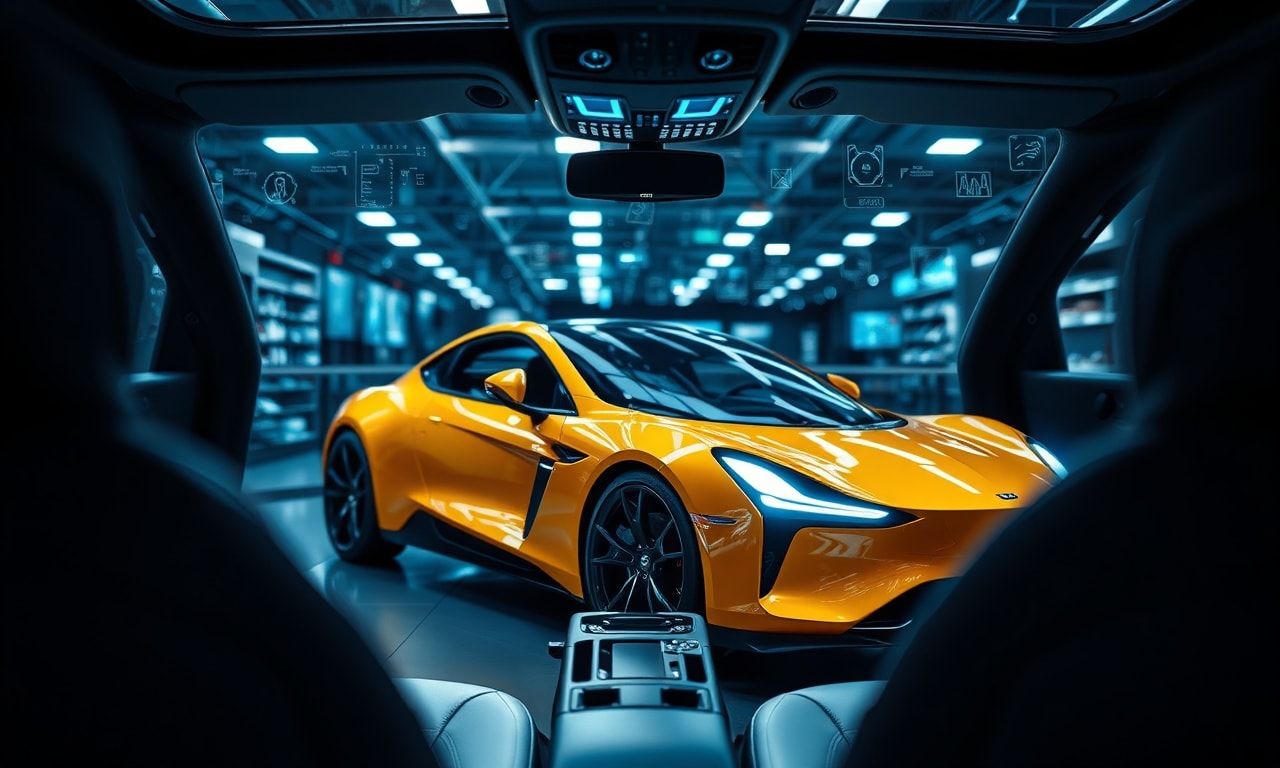
The Evolution of Automotive Technology
The automotive industry has always been at the forefront of technological innovation. From the invention of the internal combustion engine to the development of electric vehicles, the journey has been remarkable. Today, we stand on the brink of another revolution, driven by advancements in artificial intelligence, connectivity, and sustainable energy solutions. This article explores the cutting-edge technologies that are set to redefine our driving experience in the coming years.
The Role of Artificial Intelligence in Modern Vehicles
Artificial Intelligence (AI) is playing an increasingly pivotal role in the automotive sector. AI-powered systems are enhancing vehicle safety, improving navigation, and personalizing the driving experience. For instance, advanced driver-assistance systems (ADAS) use AI to detect potential hazards, alert drivers, and even take corrective actions to prevent accidents. Additionally, AI algorithms analyze traffic patterns and road conditions to provide real-time updates and optimize routes, ensuring a smoother and more efficient journey. To stay updated with the latest advancements, you can refer to resources like latest updates in artificial intelligence.
AI-Powered Personal Assistants
Modern vehicles are equipped with AI-powered personal assistants that cater to the driver’s needs. These assistants can control various functions such as climate control, entertainment systems, and navigation. They can also learn from the driver’s preferences and habits, providing a personalized experience. For example, an AI assistant can adjust the seat position, mirror settings, and preferred temperature as soon as it recognizes the driver. This level of personalization not only enhances comfort but also ensures that the vehicle adapts to the driver’s unique needs.
The Rise of Electric Vehicles
Electric vehicles (EVs) are gaining popularity due to their environmental benefits and technological advancements. EVs produce zero emissions, making them an eco-friendly alternative to traditional gasoline-powered vehicles. Moreover, advancements in battery technology have significantly increased the range and reduced the charging time of EVs. The development of fast-charging stations and wireless charging technologies is further enhancing the convenience of owning an electric vehicle. As the infrastructure for EVs continues to expand, we can expect to see a significant shift towards electric mobility in the coming years.
Innovations in Battery Technology
Battery technology is a critical component of electric vehicles. Recent innovations have focused on improving battery capacity, reducing charging time, and enhancing safety. Solid-state batteries, for example, offer higher energy density and improved safety compared to traditional lithium-ion batteries. Additionally, research is ongoing to develop batteries that can be charged in minutes rather than hours, making EVs more practical for long-distance travel. These advancements are not only benefiting the automotive industry but also have applications in other sectors such as renewable energy storage.
The Impact of Connectivity on Driving Experience
Connectivity is transforming the way we interact with our vehicles. The integration of Internet of Things (IoT) technology enables vehicles to communicate with each other and with the surrounding infrastructure. This vehicle-to-everything (V2X) communication enhances safety by providing real-time information about traffic conditions, road hazards, and weather updates. Additionally, connectivity allows for remote diagnostics and over-the-air updates, ensuring that the vehicle’s software is always up-to-date and functioning optimally. This level of connectivity not only improves the driving experience but also contributes to the development of smart cities and sustainable transportation systems.
The Future of Autonomous Vehicles
Autonomous vehicles represent the next frontier in automotive technology. Self-driving cars have the potential to revolutionize transportation by reducing accidents caused by human error, improving traffic flow, and providing mobility solutions for those who cannot drive. While fully autonomous vehicles are still in the developmental stage, significant progress has been made in recent years. Companies like Tesla, Waymo, and Uber are leading the way in developing autonomous driving technologies. As these technologies continue to evolve, we can expect to see a gradual transition towards a future where autonomous vehicles are a common sight on our roads.
Sustainability and the Automotive Industry
The automotive industry is increasingly focusing on sustainability. Manufacturers are adopting eco-friendly practices and developing vehicles that have a minimal environmental impact. This includes the use of lightweight materials, improved fuel efficiency, and the development of alternative fuel sources. Additionally, the industry is exploring the use of renewable energy sources such as solar and wind power to reduce carbon emissions. These efforts are not only beneficial for the environment but also contribute to the long-term sustainability of the automotive industry.
Recycling and Waste Management
Recycling and waste management are critical aspects of sustainability in the automotive industry. Manufacturers are implementing recycling programs to recover and reuse materials from end-of-life vehicles. This not only reduces waste but also conserves valuable resources. Additionally, the industry is exploring innovative ways to recycle batteries and other components, ensuring that they do not end up in landfills. By adopting these practices, the automotive industry is taking significant steps towards a more sustainable future.
As the automotive industry evolves, understanding the future of electric vehicles and technology is crucial; delve into emerging trends in EVs to stay informed.
If you’re looking to combine your passion for cars with a cultural journey, consider exploring Bangladesh’s rich heritage and traditions to find inspiration for your next automotive adventure.
If you enjoyed this article, we recommend checking out Dijital Pazarların Yıldızları: Başarı İçin Zorunlu for further reading.