
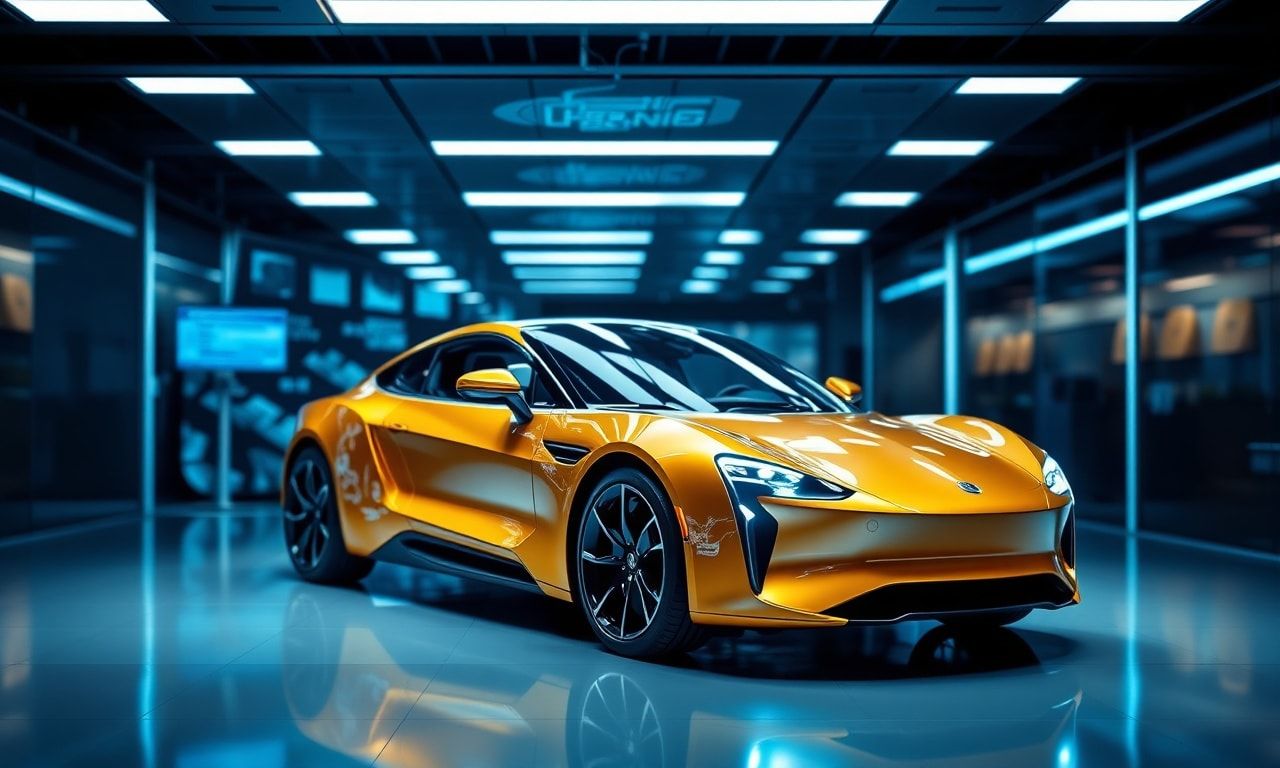
The Evolution of Automotive Technology
The automotive industry has witnessed remarkable advancements over the past few decades. From the invention of the internal combustion engine to the development of electric vehicles (EVs), the journey has been nothing short of revolutionary. Today, we stand on the brink of another significant leap forward, driven by cutting-edge technologies that promise to transform our driving experience.
The Rise of Electric Vehicles
Electric vehicles are no longer a novelty; they are becoming mainstream. Major automakers are investing heavily in EV technology, aiming to reduce carbon emissions and dependence on fossil fuels. The shift towards EVs is not just about environmental benefits but also about performance. Modern EVs offer instant torque, quieter operation, and lower maintenance costs compared to traditional gasoline-powered cars.
For instance, Tesla’s Model S can accelerate from 0 to 60 mph in just 1.99 seconds, a feat that was unimaginable a few years ago. This acceleration is made possible by advanced battery technology and sophisticated power electronics. As battery technology continues to evolve, we can expect even more impressive performance and longer ranges from EVs.
The Role of Artificial Intelligence
Artificial Intelligence (AI) is playing a pivotal role in the future of automotive technology. AI-powered systems are being integrated into vehicles to enhance safety, convenience, and efficiency. Features like adaptive cruise control, lane-keeping assist, and automatic emergency braking are becoming standard in many new cars.
Moreover, AI is enabling the development of autonomous driving technologies. Self-driving cars are no longer a figment of science fiction; they are a reality that is slowly becoming a part of our daily lives. Companies like Waymo, Tesla, and Uber are at the forefront of this revolution, testing autonomous vehicles on public roads. These vehicles use a combination of sensors, cameras, and AI algorithms to navigate complex traffic scenarios safely.
The Impact of Connectivity
Connectivity is another key area where automotive technology is making significant strides. Modern vehicles are equipped with advanced infotainment systems that offer seamless integration with smartphones and other devices. Features like Apple CarPlay and Android Auto allow drivers to access their favorite apps, music, and navigation services directly from the car’s dashboard.
Furthermore, the concept of the connected car is gaining traction. Vehicles are now capable of communicating with each other and with infrastructure through Vehicle-to-Everything (V2X) technology. This connectivity can help improve traffic flow, reduce accidents, and enhance the overall driving experience. For example, a car equipped with V2X technology can receive real-time updates about traffic conditions, road hazards, and even crime news report today, allowing drivers to make informed decisions.
The Future of Vehicle Maintenance
As vehicles become more technologically advanced, the approach to maintenance is also evolving. Traditional maintenance practices are being supplemented with predictive analytics and remote diagnostics. Sensors embedded in modern vehicles can monitor various components and alert drivers or service centers when maintenance is required.
This proactive approach to maintenance can help prevent breakdowns and extend the lifespan of vehicles. Additionally, the use of advanced materials and manufacturing techniques is making vehicles more durable and reliable. For instance, the use of lightweight materials like carbon fiber and aluminum can improve fuel efficiency and reduce wear and tear on critical components.
The Road Ahead
The future of automotive technology is bright and full of possibilities. From electric vehicles to autonomous driving and connected cars, the industry is undergoing a profound transformation. As technology continues to advance, we can expect even more innovative features and capabilities that will redefine our driving experience.
However, with these advancements come challenges. Issues related to cybersecurity, data privacy, and regulatory compliance need to be addressed to ensure the safe and responsible deployment of these technologies. Collaboration between automakers, technology companies, and regulatory bodies will be crucial in navigating these challenges and shaping the future of the automotive industry.
In conclusion, the automotive industry is on the cusp of a new era driven by technological innovation. The future of driving promises to be safer, more efficient, and more enjoyable than ever before. As we embark on this exciting journey, it is essential to stay informed and embrace the changes that lie ahead.
Ever wondered how nature can spark creativity in automotive design? Discover the fascinating connection in our feature, art and nature inspiring design.
If you’re a fan of the silver screen or a music enthusiast looking for a break from your regular auto maintenance routines, dive into entertainment’s fascinating evolution and see how it parallels the dynamic shifts in the automotive world.
If you’re passionate about both cars and city life, you’ll find our feature on fashion shaping urban landscapes an intriguing read, as it explores how design trends influence the very streets where we drive.