
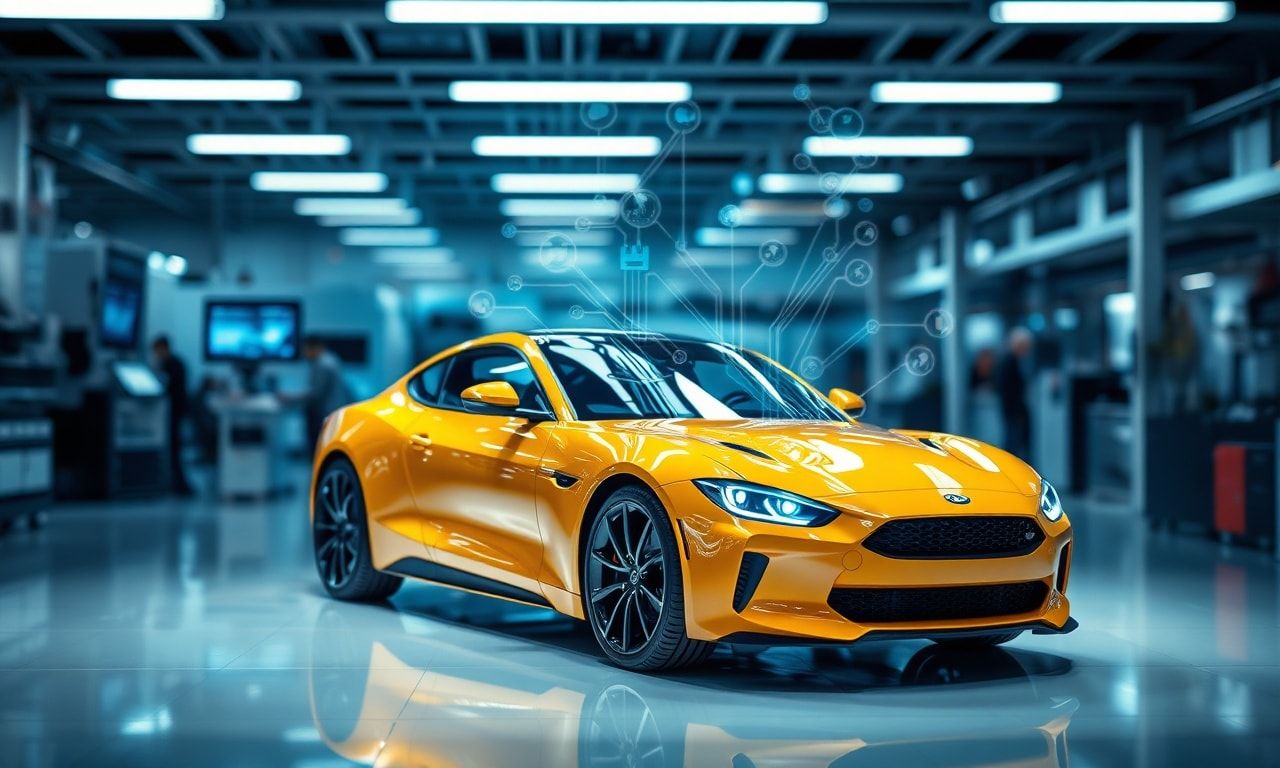
The Evolution of Automotive Technology
The automotive industry has witnessed remarkable advancements over the past few decades. From the advent of electric vehicles (EVs) to the integration of artificial intelligence (AI) and the Internet of Things (IoT), the landscape of automotive technology is continuously evolving. These innovations not only enhance the driving experience but also contribute to sustainability and safety on the roads.
The Rise of Electric Vehicles
Electric vehicles have become a significant trend in the automotive industry. With increasing concerns about climate change and the need for sustainable transportation, EVs are gaining popularity. Major automotive manufacturers are investing heavily in the development of electric models, offering consumers a wide range of options. The shift towards EVs is not only driven by environmental benefits but also by advancements in battery technology, which have improved the range and performance of these vehicles.
Benefits of Electric Vehicles
EVs offer several advantages over traditional internal combustion engine (ICE) vehicles. They produce zero tailpipe emissions, reducing air pollution and greenhouse gas emissions. Additionally, EVs are more energy-efficient and have lower operating costs due to the reduced need for maintenance and the lower cost of electricity compared to gasoline. The growing infrastructure of charging stations is also making EVs more convenient for long-distance travel.
Autonomous Driving: The Next Frontier
Autonomous driving technology is another groundbreaking innovation in the automotive industry. Self-driving cars promise to revolutionize transportation by improving safety, reducing traffic congestion, and enhancing mobility for those who cannot drive. Companies like Tesla, Waymo, and Uber are at the forefront of developing autonomous driving systems, utilizing AI and machine learning algorithms to navigate complex driving scenarios.
Challenges and Considerations
Despite the potential benefits, autonomous driving faces several challenges. Ensuring the safety and reliability of self-driving systems is paramount. Regulatory frameworks and ethical considerations, such as decision-making in critical situations, also need to be addressed. Public acceptance and the integration of autonomous vehicles into existing transportation systems are additional hurdles that need to be overcome.
The Role of Connectivity and IoT
The integration of IoT and connectivity features in modern vehicles is transforming the driving experience. Connected cars can communicate with each other and with infrastructure, enabling real-time data exchange and enhancing traffic management. Features like remote diagnostics, over-the-air updates, and advanced infotainment systems are becoming standard in many vehicles. These technologies not only improve convenience but also contribute to the overall safety and efficiency of the automotive ecosystem.
Enhancing Safety and Efficiency
Connected vehicles can share information about road conditions, traffic, and potential hazards, helping drivers make informed decisions. For example, vehicles equipped with advanced driver-assistance systems (ADAS) can detect and respond to potential collisions, reducing the risk of accidents. Additionally, IoT-enabled vehicles can optimize fuel consumption and maintenance schedules, leading to cost savings and improved vehicle performance.
Sustainable Mobility Solutions
As the world moves towards a more sustainable future, the automotive industry is exploring various mobility solutions. Car-sharing, ride-hailing, and micro-mobility options like e-bikes and scooters are gaining traction. These solutions not only reduce the number of vehicles on the road but also provide flexible and cost-effective transportation alternatives. The integration of renewable energy sources, such as solar and wind power, into the automotive supply chain is also contributing to sustainability efforts.
The Impact of Digital Currencies
Innovations in digital currencies are also influencing the automotive industry. For instance, platforms like Krypto Börsen mit guten Features are facilitating secure and efficient transactions, which can be beneficial for purchasing and maintaining vehicles. The use of blockchain technology in supply chain management and vehicle financing is also being explored, offering enhanced transparency and security.
Conclusion
The future of automotive technology is bright, with numerous innovations set to transform the industry. From electric vehicles and autonomous driving to connected cars and sustainable mobility solutions, the automotive landscape is evolving rapidly. As these technologies continue to develop, they will not only enhance the driving experience but also contribute to a more sustainable and efficient transportation ecosystem.
As the automotive industry evolves, electric vehicles are becoming increasingly prominent; discover the future of mobility with our insightful piece on electric cars and sustainability.
As we navigate the road of life, continuous improvement is key, much like maintaining your vehicle; discover essential personal growth tips for daily life to keep you moving forward.
As technology continues to reshape our world, it’s fascinating to see how it’s transforming the automotive industry; check out entertainment and tech innovations that are driving engagement in new directions.