
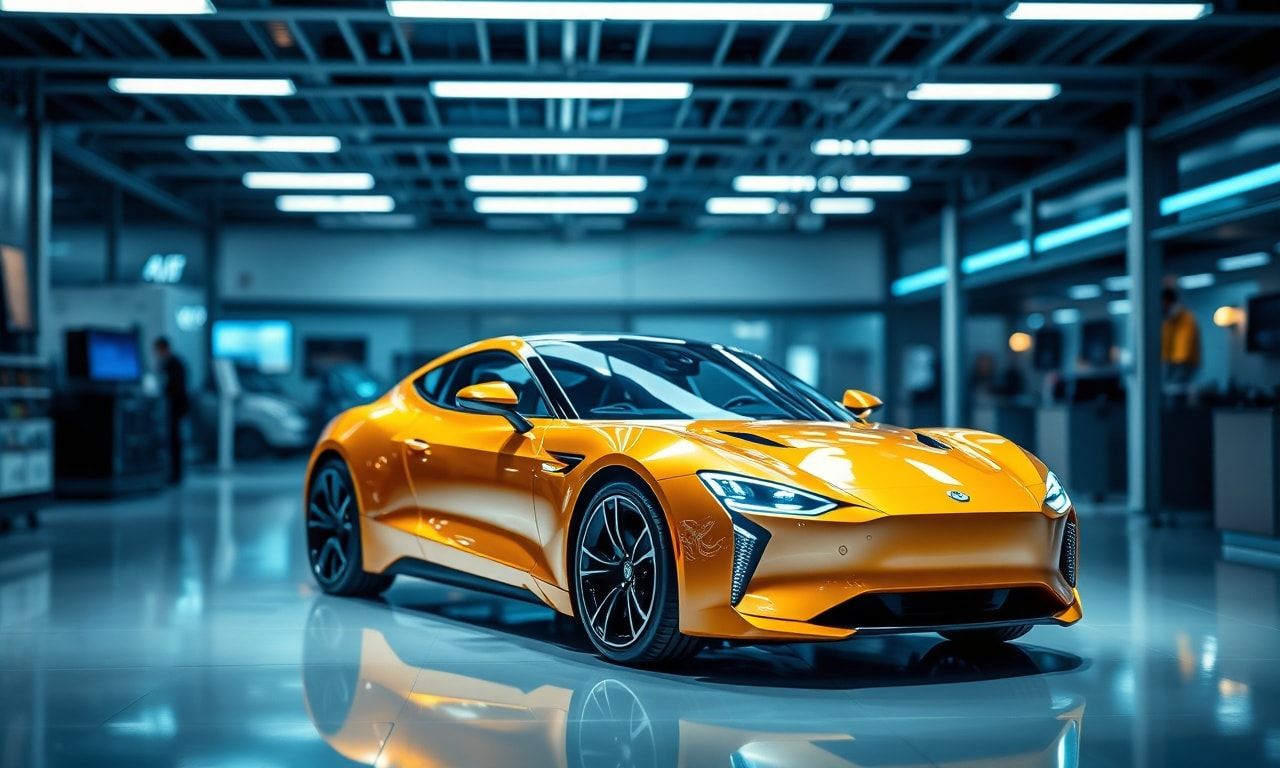
The Evolution of Automotive Technology
The automotive industry is on the cusp of a technological revolution. As we look ahead to 2026, several innovations are poised to transform the way we drive, maintain, and interact with our vehicles. From advancements in electric vehicles (EVs) to the integration of artificial intelligence (AI) and the Internet of Things (IoT), the future of automotive technology is both exciting and promising.
Electric Vehicles: The Road Ahead
Electric vehicles are no longer a novelty; they are becoming the norm. By 2026, we can expect significant strides in battery technology, leading to longer ranges and shorter charging times. Manufacturers are also focusing on making EVs more affordable, aiming to bring them within reach of the average consumer. Additionally, the infrastructure for EV charging is expected to expand rapidly, making it more convenient for drivers to recharge their vehicles on the go.
One of the most anticipated developments in the EV sector is the introduction of solid-state batteries. These batteries promise to be safer, more efficient, and capable of storing more energy than current lithium-ion batteries. This could potentially double the range of EVs, making them a viable option for long-distance travel.
The Role of Artificial Intelligence
Artificial intelligence is set to play a pivotal role in the future of automotive technology. AI-driven systems will enhance vehicle safety by enabling advanced driver-assistance systems (ADAS) to make real-time decisions based on data from sensors and cameras. These systems will be capable of predicting and preventing accidents, reducing the risk of collisions significantly.
AI will also revolutionize the way we maintain our vehicles. Predictive maintenance, powered by AI, will allow cars to monitor their own health and alert drivers to potential issues before they become serious problems. This proactive approach will not only save drivers money on repairs but also ensure that their vehicles remain in optimal condition.
The Internet of Things (IoT) and Connected Cars
The Internet of Things (IoT) is another key technology that will shape the future of automotive technology. Connected cars, equipped with IoT devices, will be able to communicate with each other and with the infrastructure around them. This will enable features such as real-time traffic updates, automated parking, and even the ability to find the best parking spots in crowded urban areas.
Moreover, connected cars will offer a seamless integration with our daily lives. Imagine a car that can sync with your calendar, adjust its route based on your schedule, and even order your favorite coffee on the way to work. The possibilities are endless, and by 2026, we can expect these features to become standard in many vehicles.
Autonomous Vehicles: The Next Frontier
Autonomous vehicles are perhaps the most talked-about development in the automotive industry. While fully autonomous cars are not yet a reality, significant progress is being made. By 2026, we can expect to see more advanced autonomous driving features, such as self-parking, automated highway driving, and even fully autonomous taxis in certain cities.
The development of autonomous vehicles is not without its challenges. Safety concerns, regulatory hurdles, and ethical considerations all need to be addressed. However, the potential benefits are immense, including reduced traffic congestion, lower emissions, and increased accessibility for those who cannot drive.
The Impact on the Environment
As we look to the future, the environmental impact of automotive technology cannot be overlooked. The shift towards electric vehicles and the development of more efficient engines will significantly reduce emissions and help combat climate change. Additionally, the use of sustainable materials in vehicle manufacturing will further minimize the environmental footprint of the automotive industry.
Innovations in recycling and the circular economy will also play a crucial role. By 2026, we can expect to see more vehicles designed with recyclability in mind, ensuring that materials are reused and repurposed rather than ending up in landfills. This holistic approach to sustainability will be a key focus for manufacturers and consumers alike.
Entertainment and Comfort: The In-Car Experience
The future of automotive technology is not just about performance and safety; it’s also about enhancing the in-car experience. By 2026, we can expect to see significant advancements in entertainment and comfort features. From augmented reality (AR) dashboards that provide real-time information to advanced climate control systems that adapt to individual preferences, the in-car experience will be more immersive and personalized than ever before.
One exciting development is the integration of virtual reality (VR) and augmented reality (AR) technologies. These technologies will transform the way we interact with our vehicles, providing immersive navigation, entertainment, and even virtual concierge services. Imagine planning your route with a holographic map or watching a movie on a virtual screen while waiting for your autonomous car to reach its destination.
Additionally, the rise of smart cities and the integration of automotive technology with urban infrastructure will further enhance the in-car experience. Features such as real-time traffic updates, automated toll payments, and even the ability to reserve parking spots will make driving in urban areas more convenient and stress-free.
The Role of Big Data
Big data will play a crucial role in the future of automotive technology. By analyzing vast amounts of data from sensors, cameras, and other sources, manufacturers and service providers will be able to offer personalized recommendations and services tailored to individual drivers. This data-driven approach will not only enhance the driving experience but also improve vehicle performance and safety.
For example, data analytics can be used to predict maintenance needs, optimize fuel efficiency, and even tailor insurance premiums based on driving behavior. This proactive approach will ensure that vehicles remain in top condition, reducing the risk of breakdowns and accidents.
Conclusion
The future of automotive technology is bright and full of promise. From electric vehicles and autonomous driving to the integration of AI and IoT, the innovations on the horizon will transform the way we drive and interact with our vehicles. As we look ahead to 2026, it’s clear that the automotive industry is on the brink of a new era, one that will bring us closer to a safer, more efficient, and more sustainable future.
Whether you’re a car enthusiast, a tech-savvy driver, or simply someone who wants to stay informed about the latest developments, keeping an eye on these trends will be essential. And if you’re planning a road trip or a night out, don’t forget to check out the latest sinema biletleri fiyatları 2026 to ensure you have the best experience both on and off the road.