
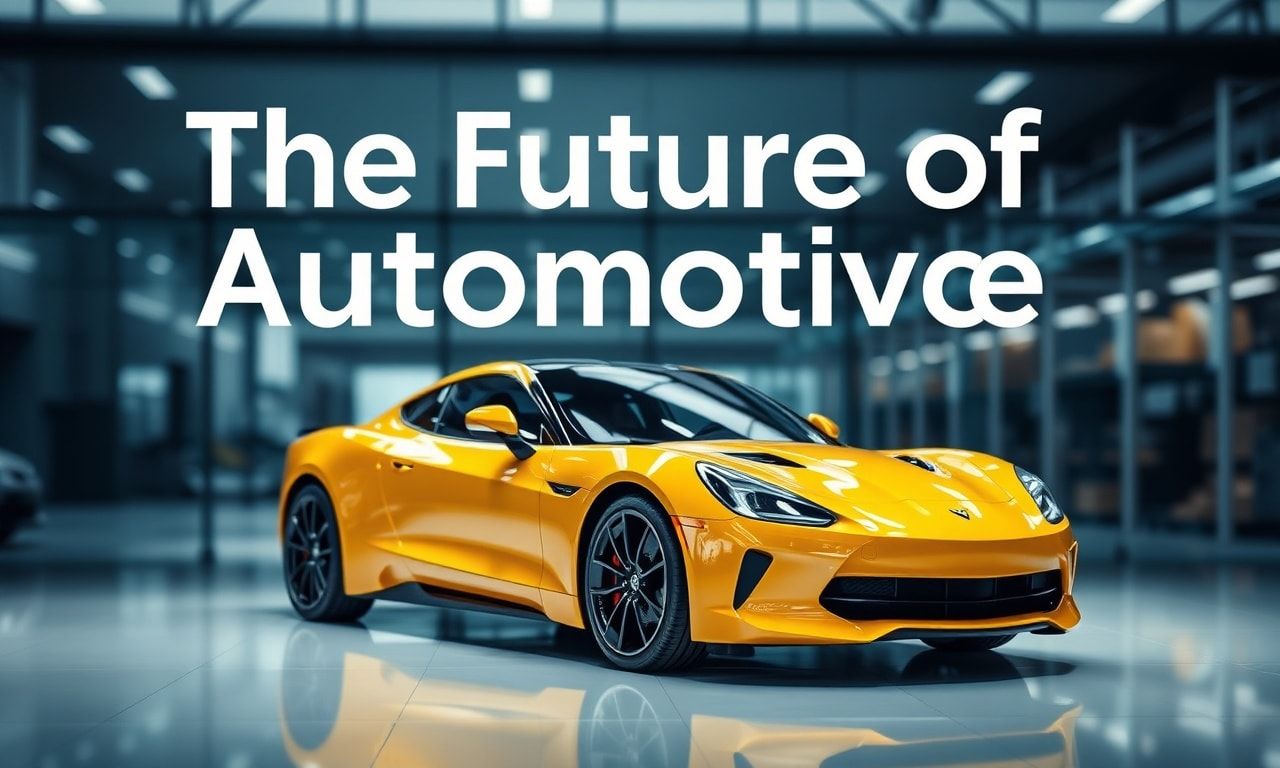
The Evolution of the Automotive Industry
The automotive industry has undergone a remarkable transformation over the past century. From the invention of the first gasoline-powered car to the advent of electric vehicles (EVs), the journey has been nothing short of revolutionary. Today, the industry is on the cusp of another significant shift, driven by technological advancements and changing consumer preferences. Understanding these trends is crucial for anyone interested in the future of transportation.
Electric Vehicles: The New Normal
Electric vehicles are no longer a novelty; they are becoming the norm. Major automakers are investing heavily in EV technology, aiming to capture a significant share of the market. Tesla, for instance, has been a pioneer in this space, but traditional automakers like Ford, General Motors, and Volkswagen are also making substantial strides. The shift towards EVs is driven by several factors, including environmental concerns, government regulations, and advancements in battery technology.
One of the most significant challenges facing the EV industry is the need for a robust charging infrastructure. Companies are investing in fast-charging stations and wireless charging technologies to make EVs more convenient for consumers. Additionally, improvements in battery technology are extending the range of EVs, making them more suitable for long-distance travel.
The Role of Autonomous Driving
Autonomous driving is another trend that is set to revolutionize the automotive industry. Self-driving cars promise to improve road safety, reduce traffic congestion, and provide greater mobility for those who cannot drive. Companies like Waymo, Cruise, and Tesla are at the forefront of this technology, conducting extensive tests to ensure the safety and reliability of autonomous vehicles.
However, the widespread adoption of autonomous vehicles faces several challenges, including regulatory hurdles, public acceptance, and technical limitations. Despite these challenges, the potential benefits of autonomous driving are immense, and the industry is expected to continue investing heavily in this technology.
The Impact of Connectivity and Digitalization
The automotive industry is increasingly embracing connectivity and digitalization. Modern vehicles are equipped with advanced infotainment systems, connected services, and over-the-air (OTA) updates. These technologies enhance the driving experience by providing real-time traffic updates, entertainment options, and vehicle diagnostics.
Moreover, the integration of artificial intelligence (AI) and machine learning (ML) is enabling vehicles to learn from driver behavior and adapt to individual preferences. This personalization is a key trend in the automotive industry, as consumers increasingly expect their vehicles to offer a tailored experience.
For businesses looking to stay ahead in the digital landscape, understanding the latest trends in seo optimizasyon güncel trendleri is crucial. Just as vehicles are becoming smarter, so too must digital strategies evolve to meet the demands of a tech-savvy audience.
Sustainability and the Future of Mobility
Sustainability is a major focus for the automotive industry. Consumers are increasingly conscious of their environmental impact, and automakers are responding by developing more eco-friendly vehicles. In addition to EVs, hybrid vehicles and those powered by alternative fuels like hydrogen are gaining traction.
Moreover, the concept of shared mobility is gaining popularity. Services like car-sharing, ride-hailing, and micro-mobility solutions are changing the way people think about vehicle ownership. These trends are driven by urbanization, environmental concerns, and the desire for more flexible transportation options.
The Role of Lightweight Materials
Lightweight materials are playing a crucial role in the development of more efficient and sustainable vehicles. Materials like aluminum, carbon fiber, and advanced composites are being used to reduce vehicle weight, improving fuel efficiency and performance. This trend is particularly important for EVs, as lighter vehicles can achieve greater range and better performance.
Additionally, the use of sustainable materials in vehicle manufacturing is becoming increasingly important. Recycled materials, bio-based composites, and other eco-friendly options are being explored to reduce the environmental impact of vehicle production.
Conclusion
The automotive industry is undergoing a profound transformation, driven by technological advancements, changing consumer preferences, and environmental concerns. From electric vehicles to autonomous driving, connectivity to sustainability, the trends shaping the future of mobility are diverse and exciting. As the industry continues to evolve, staying informed about these trends will be crucial for consumers, businesses, and policymakers alike.
Embracing these trends will not only drive innovation but also pave the way for a more sustainable and efficient future. The road ahead is filled with opportunities, and those who adapt and innovate will be the ones to lead the way.
As the automotive industry shifts towards sustainable mobility, understanding the journey of electric vehicles becomes crucial; delve into electric vehicle advancements with our detailed guide.
As the auto industry evolves, it’s crucial to understand how technology is shaping climate action; explore innovations for sustainable driving in our latest feature.
If you enjoyed this article, we recommend checking out Arabanızın Uykusunu Koruma: Bakım ve Bakım for further reading.