
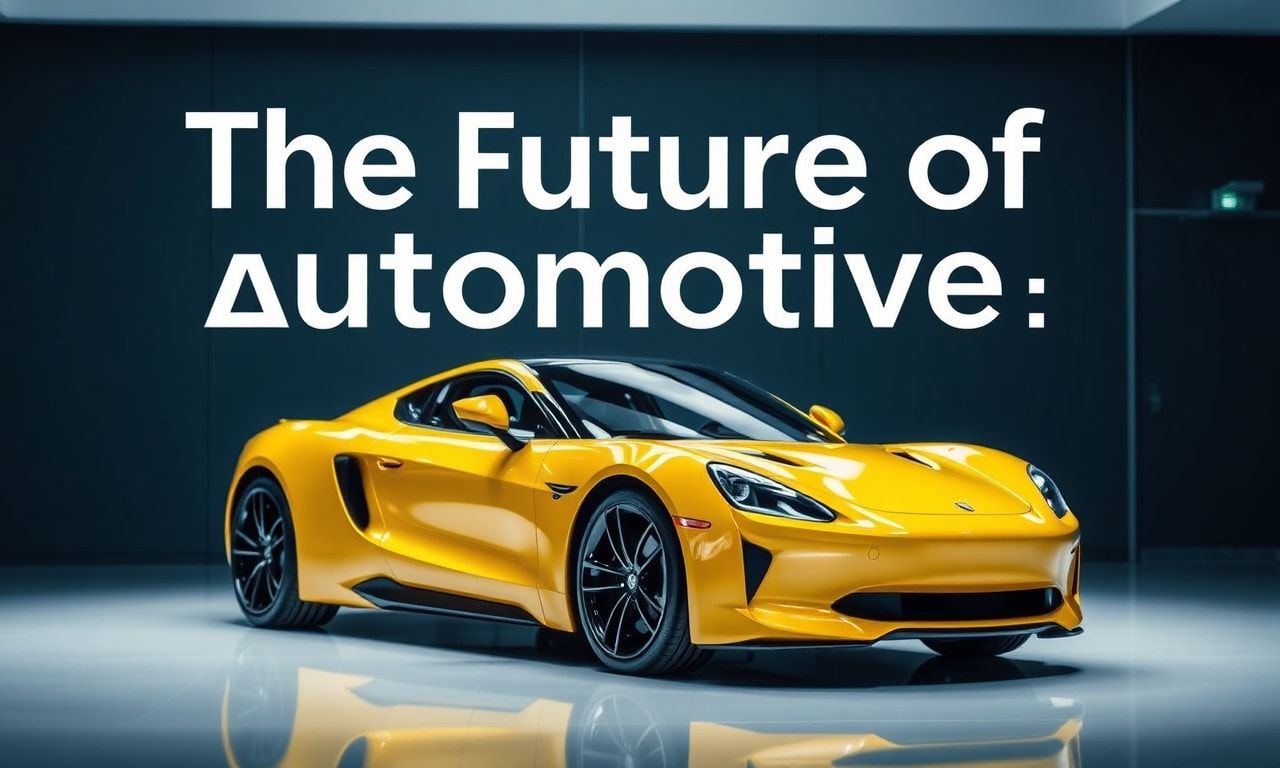
The Evolution of the Automotive Industry
The automotive industry is undergoing a rapid transformation, driven by technological advancements and changing consumer preferences. From electric vehicles (EVs) to autonomous driving, the landscape is evolving at an unprecedented pace. As we look towards the future, several key trends and innovations are set to redefine the way we think about cars and mobility.
The Rise of Electric Vehicles
Electric vehicles are no longer a niche market; they are becoming mainstream. With governments around the world setting ambitious targets to reduce carbon emissions, the demand for EVs is surging. Automakers are investing heavily in battery technology, charging infrastructure, and vehicle design to meet this growing demand. The shift towards EVs is not only driven by environmental concerns but also by the cost savings associated with electric powertrains.
Challenges and Opportunities
While the rise of EVs presents numerous opportunities, it also comes with its own set of challenges. One of the primary concerns is the availability of charging infrastructure. As more people switch to electric vehicles, the need for reliable and accessible charging stations becomes crucial. Additionally, the cost of battery technology remains a significant barrier for many consumers. However, advancements in battery technology and economies of scale are expected to drive down costs in the coming years.
Another challenge is the environmental impact of battery production. The mining of raw materials like lithium and cobalt raises ethical and ecological concerns. Automakers and policymakers are exploring ways to make the production process more sustainable, including recycling programs and alternative battery chemistries. Despite these challenges, the future of EVs looks promising, with innovations in battery technology and charging infrastructure paving the way for a greener automotive industry.
The Impact of Autonomous Driving
Autonomous driving is another major trend that is set to revolutionize the automotive industry. Self-driving cars promise to improve road safety, reduce traffic congestion, and enhance the overall driving experience. Companies like Tesla, Waymo, and Uber are at the forefront of this technological revolution, investing billions in research and development. The integration of artificial intelligence (AI) and machine learning (ML) algorithms is enabling vehicles to make real-time decisions and navigate complex environments with ease.
Regulatory and Ethical Considerations
The widespread adoption of autonomous vehicles raises important regulatory and ethical questions. Who is responsible in case of an accident? How do we ensure the privacy and security of data collected by autonomous vehicles? These are some of the key issues that need to be addressed. Governments and regulatory bodies are working closely with automakers to establish guidelines and standards for autonomous driving. The ethical implications of AI-driven decision-making are also a subject of ongoing debate, with experts exploring ways to ensure that autonomous vehicles prioritize safety and ethical considerations.
Despite these challenges, the potential benefits of autonomous driving are immense. From reducing the number of accidents caused by human error to improving traffic flow and reducing emissions, self-driving cars have the potential to transform our cities and highways. As technology continues to evolve, we can expect to see more autonomous vehicles on the road, offering a safer and more efficient transportation experience.
The Role of Connectivity and IoT
The Internet of Things (IoT) is playing a crucial role in the future of the automotive industry. Connected cars are equipped with advanced sensors and communication technologies that enable them to interact with other vehicles, infrastructure, and even pedestrians. This interconnectedness enhances safety, improves traffic management, and provides a more personalized driving experience. Automakers are leveraging IoT to offer features like remote diagnostics, over-the-air updates, and real-time traffic information.
Enhancing the Driving Experience
Connected cars are not just about safety and efficiency; they are also about enhancing the driving experience. With the integration of AI and IoT, vehicles can learn from driver behavior and adapt to individual preferences. Features like personalized climate control, infotainment systems, and advanced navigation are becoming standard in modern vehicles. The ability to connect seamlessly with smartphones and other devices further enhances the driving experience, making it more convenient and enjoyable.
Moreover, the data collected by connected cars can be used to improve vehicle maintenance and performance. Predictive analytics can identify potential issues before they become major problems, reducing downtime and maintenance costs. This proactive approach to vehicle care ensures that cars remain in optimal condition, providing a safer and more reliable driving experience.
The Importance of Sustainable Mobility
Sustainable mobility is a key focus area for the automotive industry. As concerns about climate change and environmental degradation grow, automakers are exploring ways to reduce the environmental impact of their vehicles. From electric and hybrid powertrains to lightweight materials and alternative fuels, the industry is embracing sustainability as a core principle. Governments are also playing a crucial role by implementing policies and incentives to promote sustainable mobility.
Investing in a Greener Future
Investing in sustainable mobility is not just about reducing emissions; it is also about creating a more resilient and efficient transportation system. Automakers are investing in research and development to create vehicles that are not only environmentally friendly but also cost-effective. For example, the use of lightweight materials like aluminum and carbon fiber reduces the weight of vehicles, improving fuel efficiency and reducing emissions. Additionally, the development of alternative fuels like hydrogen and biofuels offers promising solutions for a greener future.
As consumers become more environmentally conscious, the demand for sustainable mobility solutions is on the rise. Automakers are responding by offering a wider range of eco-friendly vehicles, from electric cars to hybrid and plug-in hybrid models. The shift towards sustainable mobility is not only driven by environmental concerns but also by economic factors. With the cost of fossil fuels expected to rise, alternative energy sources offer a more sustainable and cost-effective solution for the future.
In conclusion, the future of the automotive industry is shaped by a combination of technological advancements, regulatory changes, and consumer preferences. From the rise of electric vehicles to the impact of autonomous driving and the role of connectivity and IoT, the automotive landscape is evolving rapidly. Sustainable mobility is also a key focus area, with automakers and policymakers working together to create a greener and more efficient transportation system. As we look towards the future, these trends and innovations will continue to redefine the way we think about cars and mobility, offering exciting opportunities for both consumers and the industry as a whole.
For those interested in the broader economic implications of sustainable mobility, exploring tax saving investment options in India 2026 can provide valuable insights into how financial planning can support a greener future.
After a long day of working on your vehicle, treat yourself to a culinary adventure with exploring Asian food traditions and innovations that might just inspire your next road trip destination.
While you’re preparing your vehicle for the next big adventure, don’t miss out on the spectacular celestial event coming up in 2026; check out the upcoming solar eclipse to plan your perfect road trip under the stars.
As the automotive industry evolves, understanding the shift towards electric vehicles is crucial; delve into the future of electric cars to stay informed.