
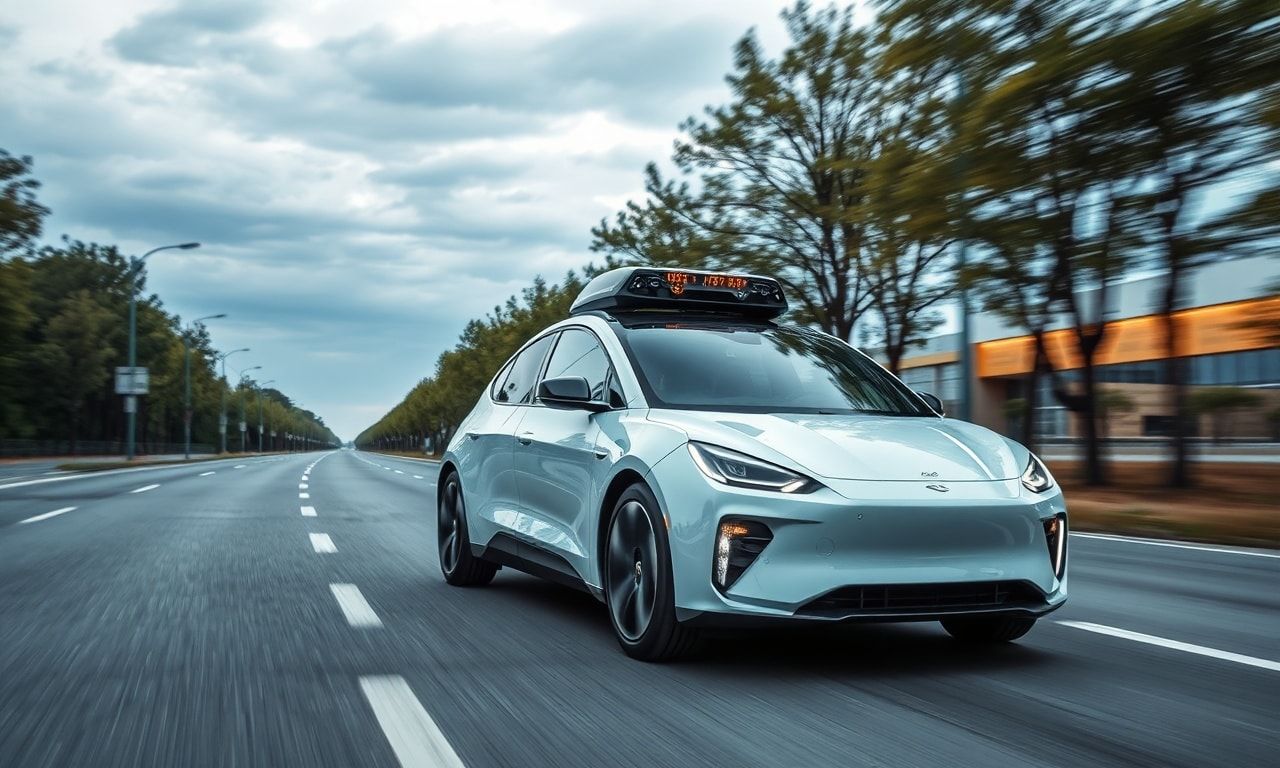
The Evolution of Autonomous Vehicles
The automotive industry has witnessed remarkable advancements over the past few decades, but none as transformative as the development of autonomous vehicles. What began as a futuristic concept in science fiction has now become a tangible reality, poised to revolutionize the way we travel. Autonomous vehicles, or self-driving cars, leverage cutting-edge technologies such as artificial intelligence, machine learning, and advanced sensor systems to navigate roads without human intervention. This evolution is not just about convenience; it’s about enhancing safety, efficiency, and accessibility on our roads.
The Technology Behind Autonomous Driving
At the heart of autonomous vehicles lies a complex interplay of sensors, cameras, radar, and lidar systems. These components work in unison to create a comprehensive understanding of the vehicle’s environment. Machine learning algorithms process vast amounts of data in real-time, enabling the vehicle to make informed decisions. For instance, a self-driving car can detect pedestrians, other vehicles, and road signs, and react accordingly. The integration of high-definition maps further enhances the vehicle’s ability to navigate complex urban landscapes. Companies like Tesla, Waymo, and Uber are at the forefront of this technological revolution, continuously pushing the boundaries of what’s possible.
Safety and Regulation
One of the most significant concerns surrounding autonomous vehicles is safety. While proponents argue that self-driving cars can reduce human error-related accidents, skeptics raise valid points about the reliability of these systems. To address these concerns, governments and regulatory bodies are actively working on establishing frameworks to ensure the safe deployment of autonomous vehicles. For example, the National Highway Traffic Safety Administration (NHTSA) in the United States has been instrumental in setting guidelines for autonomous vehicle testing and operation. Additionally, companies are investing heavily in rigorous testing protocols to ensure that their vehicles meet the highest safety standards. As the technology matures, it is expected that these concerns will be mitigated through continuous innovation and regulatory oversight.
The Impact on Urban Mobility
Autonomous vehicles have the potential to transform urban mobility in ways we can only begin to imagine. Imagine a world where traffic congestion is minimized, parking spaces are optimized, and public transportation is seamlessly integrated with autonomous fleets. Cities could see a significant reduction in the number of privately owned vehicles, leading to more efficient use of road space. Furthermore, autonomous vehicles can provide mobility solutions for individuals who are unable to drive, such as the elderly and people with disabilities. This inclusivity can have a profound impact on the quality of life for many. In cities like Riyadh, where urban planning is a critical focus, the integration of autonomous vehicles could be a game-changer. For those planning to visit Riyadh, understanding the evolving transportation landscape is crucial. Resources like تips لزيارة مدينة الرياض provide valuable insights into navigating the city’s dynamic environment.
The Road Ahead
The journey towards fully autonomous vehicles is still in its early stages, but the progress made so far is nothing short of extraordinary. As technology continues to evolve, we can expect to see more sophisticated systems that can handle a wider range of driving scenarios. The collaboration between automakers, tech companies, and regulatory bodies will be crucial in shaping the future of autonomous driving. While challenges remain, the potential benefits are immense. From enhancing road safety to revolutionizing urban mobility, autonomous vehicles promise a future where travel is not just efficient but also enjoyable. As we stand on the cusp of this automotive revolution, one thing is clear: the roads of tomorrow will look vastly different from those of today.
Environmental Benefits
Beyond the immediate benefits of safety and convenience, autonomous vehicles also hold significant promise for the environment. Self-driving cars can optimize routes to reduce fuel consumption and emissions. Additionally, the integration of electric autonomous vehicles can further decrease our carbon footprint. As the world grapples with the challenges of climate change, the adoption of autonomous and electric vehicles can play a pivotal role in creating a more sustainable future. The synergy between autonomous technology and green energy solutions is a beacon of hope for a cleaner, healthier planet.
Consumer Adoption and Market Trends
The consumer adoption of autonomous vehicles will be a critical factor in determining their success. While early adopters are already embracing this technology, widespread acceptance will depend on factors such as cost, reliability, and public perception. Market trends indicate a growing interest in autonomous vehicles, with many consumers expressing a willingness to embrace this technology in the near future. As the market matures, we can expect to see a diverse range of autonomous vehicles, from personal cars to shared mobility solutions. The automotive industry is poised for a significant transformation, and those who adapt to these changes will be the leaders of tomorrow.
While you’re keeping your vehicle up-to-date with the latest automotive trends, why not refresh your style with the latest spring fashion trends?
As the automotive industry shifts towards sustainable mobility, understanding the role of electric vehicles is crucial; delve into the future of transportation with our comprehensive guide.
As technology continues to reshape our driving experiences, discover how smart viewing is evolving in the latest article that every tech-savvy car enthusiast should read.