
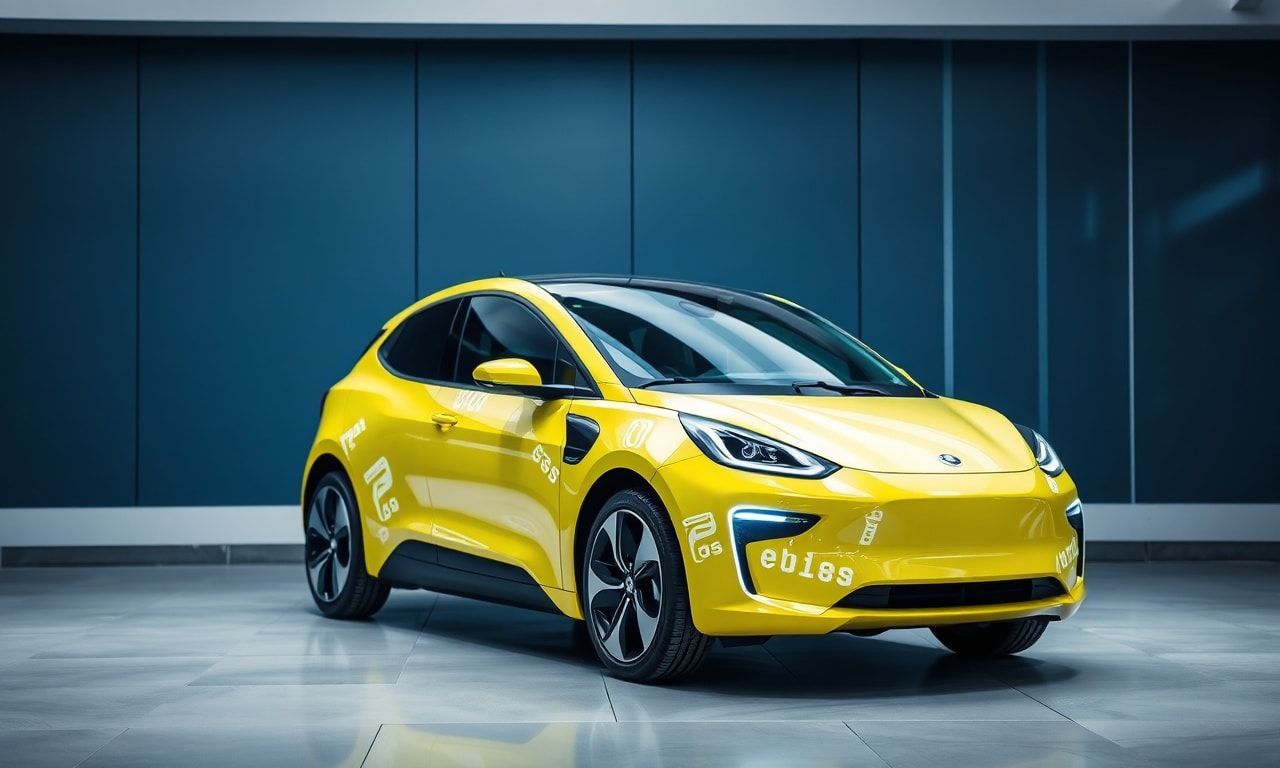
The Rise of Electric Vehicles
The automotive industry is undergoing a significant transformation, driven by the rise of electric vehicles (EVs). This shift is not just about the technology itself but also about the broader implications for the environment, economy, and society. As governments worldwide push for greener policies, the demand for EVs is surging. For instance, recent government policy news update highlights how cities are setting ambitious targets to phase out internal combustion engine vehicles in favor of electric ones.
EVs offer several advantages over traditional gasoline-powered cars. They produce zero tailpipe emissions, reducing air pollution and greenhouse gas emissions. Additionally, EVs are more energy-efficient, converting over 77% of the electrical energy from the grid to power the wheels, compared to only 12%-30% for gasoline vehicles. This efficiency translates into lower running costs for consumers, making EVs an attractive option.
The Technology Behind EVs
The heart of an EV is its battery, which stores the electrical energy needed to power the vehicle. Advances in battery technology have been crucial in making EVs more viable. Lithium-ion batteries, for example, have seen significant improvements in energy density, allowing for longer ranges and faster charging times. Companies are also exploring solid-state batteries, which promise even greater energy density and safety.
Another critical component is the electric motor, which replaces the internal combustion engine. Electric motors are simpler in design, with fewer moving parts, which means they require less maintenance. This simplicity not only reduces the likelihood of mechanical failures but also lowers the overall cost of ownership. Additionally, regenerative braking systems in EVs help to recapture energy that would otherwise be lost, further enhancing efficiency.
The Impact on the Automotive Industry
The shift to EVs is reshaping the automotive industry in profound ways. Traditional automakers are investing heavily in EV development, while new players are emerging, focusing solely on electric vehicles. This competition is driving innovation and accelerating the pace of technological advancements. For example, Tesla’s success has spurred other manufacturers to develop their own electric models, leading to a more diverse and competitive market.
Moreover, the supply chain for EVs is different from that of traditional vehicles. The demand for lithium, cobalt, and other rare earth metals used in batteries is rising, creating new opportunities and challenges for mining and processing industries. Automakers are also exploring alternative materials and recycling methods to reduce the environmental impact of battery production.
The Role of Government Policies
Government policies play a crucial role in the adoption of EVs. Incentives such as tax credits, rebates, and subsidies make EVs more affordable for consumers. Additionally, regulations that limit emissions and promote the use of electric vehicles are driving the market forward. For instance, the European Union has set a target to ban the sale of new gasoline and diesel cars by 2035, pushing automakers to accelerate their EV development.
Infrastructure development is another critical area where government intervention is necessary. Building a robust network of charging stations is essential to support the widespread adoption of EVs. Initiatives like the U.S. Department of Energy’s Alternative Fuels Data Center provide resources and information to help consumers and businesses transition to electric vehicles. These efforts are crucial in overcoming range anxiety and making EVs a viable option for more people.
The Future of EVs
The future of electric vehicles looks promising, with continued advancements in technology and increasing consumer acceptance. As battery technology improves, the range and performance of EVs will continue to enhance, making them more attractive to a broader audience. Additionally, the development of autonomous driving technology is expected to complement the growth of EVs, creating a new era of smart and sustainable transportation.
However, challenges remain. The environmental impact of battery production and disposal needs to be addressed through sustainable practices. Additionally, the cost of EVs, although decreasing, is still higher than that of traditional vehicles for many consumers. Addressing these issues will be crucial in ensuring the long-term success and sustainability of the EV market.
In conclusion, the rise of electric vehicles represents a significant shift in the automotive industry. Driven by technological advancements, government policies, and consumer demand, EVs are poised to play a central role in the future of transportation. As the industry continues to evolve, it is essential to address the challenges and opportunities that lie ahead to ensure a sustainable and prosperous future for electric vehicles.
As technology increasingly shapes the automotive industry, understanding the role of AI in vehicle innovation is crucial for staying ahead of the curve.
As the automotive industry evolves, staying informed about the latest trends is crucial for enthusiasts and professionals alike. Dive into our comprehensive overview of emerging automotive innovations to understand what’s driving the future of cars and vehicles.
Ever wondered how sports and community can drive innovation, even in the automotive world? Discover the unique connection in Sheffield’s vibrant scene.