
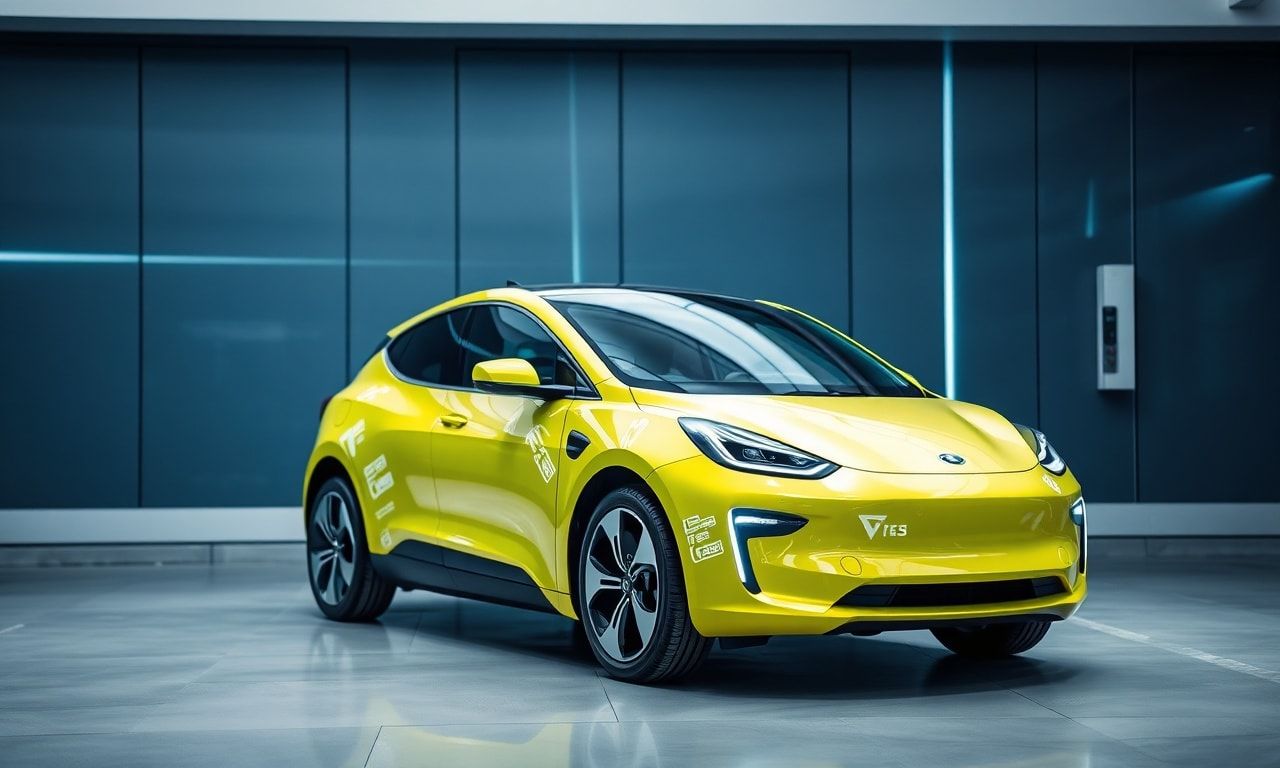
The Rise of Electric Vehicles
The automotive industry is undergoing a significant transformation, driven by the rise of electric vehicles (EVs). As concerns about climate change and air pollution grow, more consumers are turning to EVs as a cleaner, more sustainable alternative to traditional gasoline-powered cars. This shift is not only changing the way we drive but also reshaping the entire automotive landscape. From innovative battery technologies to advanced charging infrastructure, the future of EVs is bright and full of promise.
Innovations in Battery Technology
One of the most critical areas of development in the EV industry is battery technology. Current lithium-ion batteries, while efficient, have limitations in terms of range, charging speed, and cost. However, researchers and engineers are making significant strides in improving these aspects. Solid-state batteries, for instance, are being touted as the next big thing in EV technology. These batteries promise higher energy density, faster charging times, and improved safety. Additionally, advancements in battery recycling and second-life applications are making EVs even more environmentally friendly.
Another exciting development is the use of alternative materials for battery production. Companies are exploring the use of silicon anodes and graphene to enhance battery performance. These materials can potentially increase the energy storage capacity of batteries, allowing EVs to travel longer distances on a single charge. As battery technology continues to evolve, we can expect EVs to become more affordable and accessible to a broader range of consumers.
The Role of Charging Infrastructure
For EVs to become mainstream, a robust charging infrastructure is essential. Governments and private companies are investing heavily in expanding the network of charging stations. Fast-charging technologies are being developed to reduce the time it takes to recharge an EV significantly. Wireless charging, which allows EVs to charge while parked or even while driving, is another innovative solution that could revolutionize the way we power our vehicles.
Moreover, the integration of renewable energy sources into charging infrastructure is a key focus. Solar-powered charging stations and wind-powered charging networks are being explored to make EV charging more sustainable. This approach not only reduces the carbon footprint of EVs but also promotes the use of renewable energy in the transportation sector.
The Impact on the Automotive Industry
The rise of EVs is having a profound impact on the automotive industry. Traditional automakers are investing billions of dollars in developing their own electric models to stay competitive. Meanwhile, new players are emerging, challenging established brands with innovative EV designs and technologies. This competition is driving rapid advancements in EV technology and making the market more dynamic.
Additionally, the shift to EVs is creating new opportunities and challenges for the automotive supply chain. Manufacturers are sourcing new materials and components to meet the demands of EV production. This shift is also creating jobs in new areas, such as battery manufacturing and recycling. The automotive industry is undergoing a significant transformation, and those who adapt quickly will thrive in this new era.
Consumer Trends and Preferences
Consumer preferences are also evolving with the rise of EVs. More people are prioritizing sustainability and environmental impact when making purchasing decisions. This trend is driving demand for EVs and encouraging automakers to develop more eco-friendly models. Additionally, consumers are looking for EVs that offer a seamless driving experience, with advanced features and connectivity options.
As the market for EVs grows, consumers have more choices than ever before. From compact city cars to high-performance electric sports cars, there is an EV to suit every need and preference. The increasing availability of used EVs is also making electric mobility more accessible to a broader range of consumers. With more options and competitive pricing, the future of EVs looks promising.
The Role of Sports and Automotive Enthusiasts
While the automotive industry is making significant strides, sports enthusiasts are also playing a role in promoting EVs. Many sports events and tournaments are incorporating EVs into their operations, from transportation to hospitality. This trend is not only reducing the carbon footprint of sports events but also raising awareness about the benefits of EVs. For the latest updates on how sports events are embracing sustainability, check out the top sports news headlines for this weekend’s matches.
Automotive enthusiasts are also contributing to the growth of the EV market. Car clubs and racing events are increasingly featuring electric vehicles, showcasing their performance and capabilities. This exposure is helping to change perceptions about EVs and demonstrating that they can be just as exciting and powerful as traditional gasoline-powered cars.
Conclusion
The future of electric vehicles is bright and full of potential. With advancements in battery technology, charging infrastructure, and consumer preferences, EVs are poised to become the dominant form of transportation in the coming decade. The automotive industry is adapting to this shift, creating new opportunities and challenges along the way. As we look ahead, it is clear that the rise of EVs will have a profound impact on our lives and the environment. Embracing this transformation is essential for a sustainable and prosperous future.
While we’re all about engines and horsepower, it’s intriguing to see the competitive spirit alive in digital arenas; check out the thrilling world of eSports for a change of pace.
If you’re a fan of high-performance vehicles and appreciate style, you’ll find inspiration in our latest piece on sporty fashion trends that might just influence your next car customization.
As the automotive industry shifts towards sustainability, our detailed look into electric vehicle advancements offers a deep dive into the innovations driving this change.