
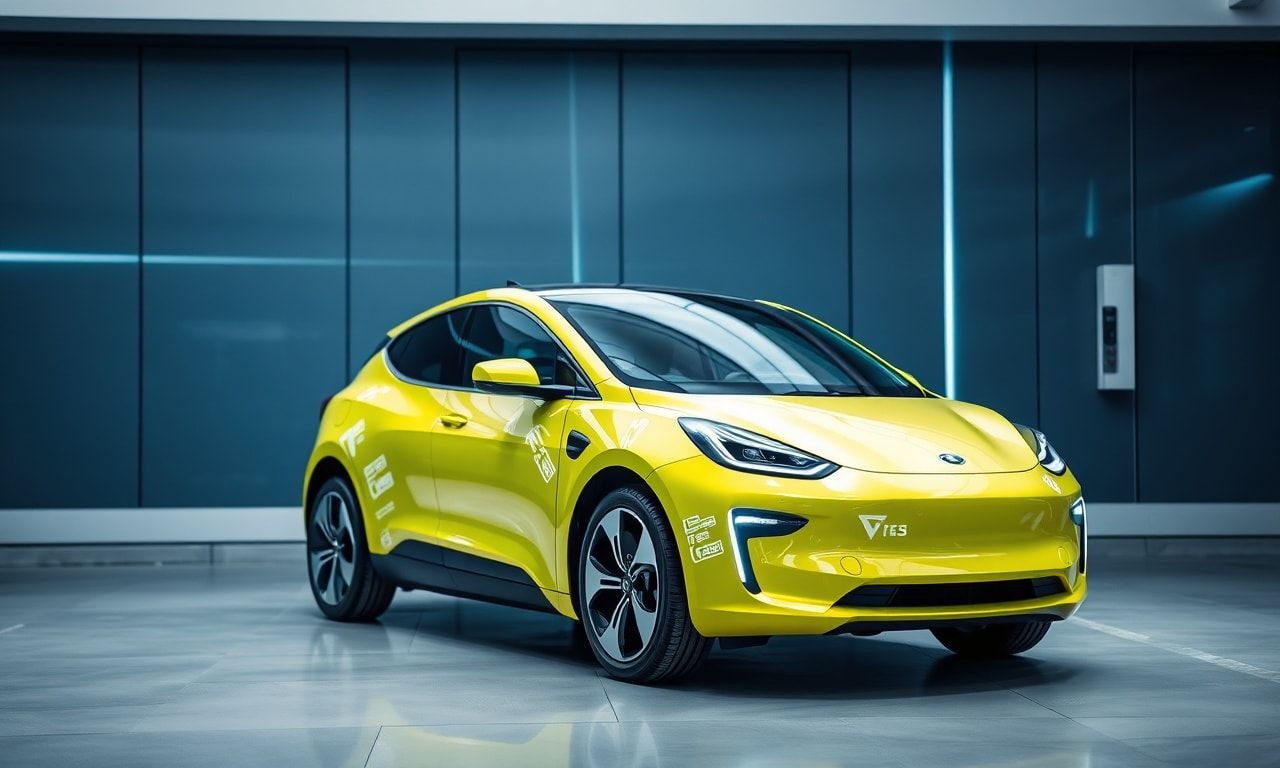
The Rise of Electric Vehicles
The automotive industry is undergoing a significant transformation, driven by the rise of electric vehicles (EVs). This shift is not just about reducing emissions but also about embracing new technologies that promise to revolutionize the way we drive. The next decade is expected to bring about groundbreaking advancements in EV technology, making these vehicles more accessible, efficient, and integrated into our daily lives.
Technological Innovations on the Horizon
One of the most exciting aspects of the future of EVs is the technological innovations that are on the horizon. From advancements in battery technology to the integration of artificial intelligence, the automotive industry is poised for a significant leap forward. For instance, solid-state batteries are being developed to offer higher energy density, faster charging times, and improved safety compared to current lithium-ion batteries. This could potentially extend the range of EVs and make them more appealing to a broader audience.
Additionally, the integration of AI and machine learning into EV systems is expected to enhance the driving experience. Features such as predictive maintenance, adaptive cruise control, and advanced driver-assistance systems (ADAS) will become more sophisticated, making EVs not only eco-friendly but also safer and more convenient to use. These technological advancements are set to redefine the automotive landscape, making EVs a mainstream choice for consumers worldwide.
The Role of Infrastructure
As the number of EVs on the road increases, the need for a robust charging infrastructure becomes paramount. Governments and private entities are investing heavily in expanding charging networks to ensure that EV owners have convenient access to charging stations. Fast-charging technologies are also being developed to reduce the time it takes to charge an EV, making them more practical for long-distance travel.
Moreover, the integration of renewable energy sources into charging infrastructure is another critical aspect. Solar-powered charging stations and other green energy solutions are being explored to make the entire EV ecosystem more sustainable. This holistic approach to infrastructure development is essential for the widespread adoption of EVs.
Environmental and Economic Impacts
The shift to EVs is not just about technological advancements; it also has significant environmental and economic implications. By reducing reliance on fossil fuels, EVs can help mitigate climate change and improve air quality in urban areas. The economic benefits are also substantial, as the EV industry creates new job opportunities and stimulates economic growth.
However, the transition to EVs is not without its challenges. The production of batteries, for instance, requires rare earth metals, which can have environmental and ethical implications. Addressing these challenges will be crucial for the long-term sustainability of the EV industry. Additionally, the political landscape plays a significant role in shaping the future of EVs. For instance, staying informed about election news coverage latest can provide insights into how policy changes might impact the automotive sector.
The Consumer Perspective
From a consumer perspective, the future of EVs looks promising. As technology advances, the cost of EVs is expected to decrease, making them more affordable for the average consumer. The range of EVs is also expected to improve, addressing one of the primary concerns of potential buyers. With longer ranges and faster charging times, EVs will become a more viable option for daily commuting and long-distance travel.
Furthermore, the driving experience is set to become more enjoyable with the integration of advanced features such as autonomous driving capabilities. These features will not only enhance safety but also provide a more relaxing and convenient driving experience. As consumer awareness and acceptance of EVs grow, the market is expected to expand rapidly.
Conclusion
The future of electric vehicles is bright, with numerous advancements on the horizon that promise to revolutionize the automotive industry. From technological innovations to infrastructure development and environmental benefits, the shift to EVs is set to have a profound impact on our lives. As we look ahead to the next decade, it is clear that EVs will play a pivotal role in shaping the future of transportation.
As the automotive industry shifts towards sustainable mobility, understanding the journey of electric vehicles is crucial; delve into the rise of EVs for an insightful perspective.
To ensure your vehicle’s longevity, delve into essential car maintenance principles that every car owner should know.
As we embrace simplicity in our vehicles and garages, it’s only natural to extend that philosophy to our wardrobes; discover how with minimalist fashion for a stylish life.