
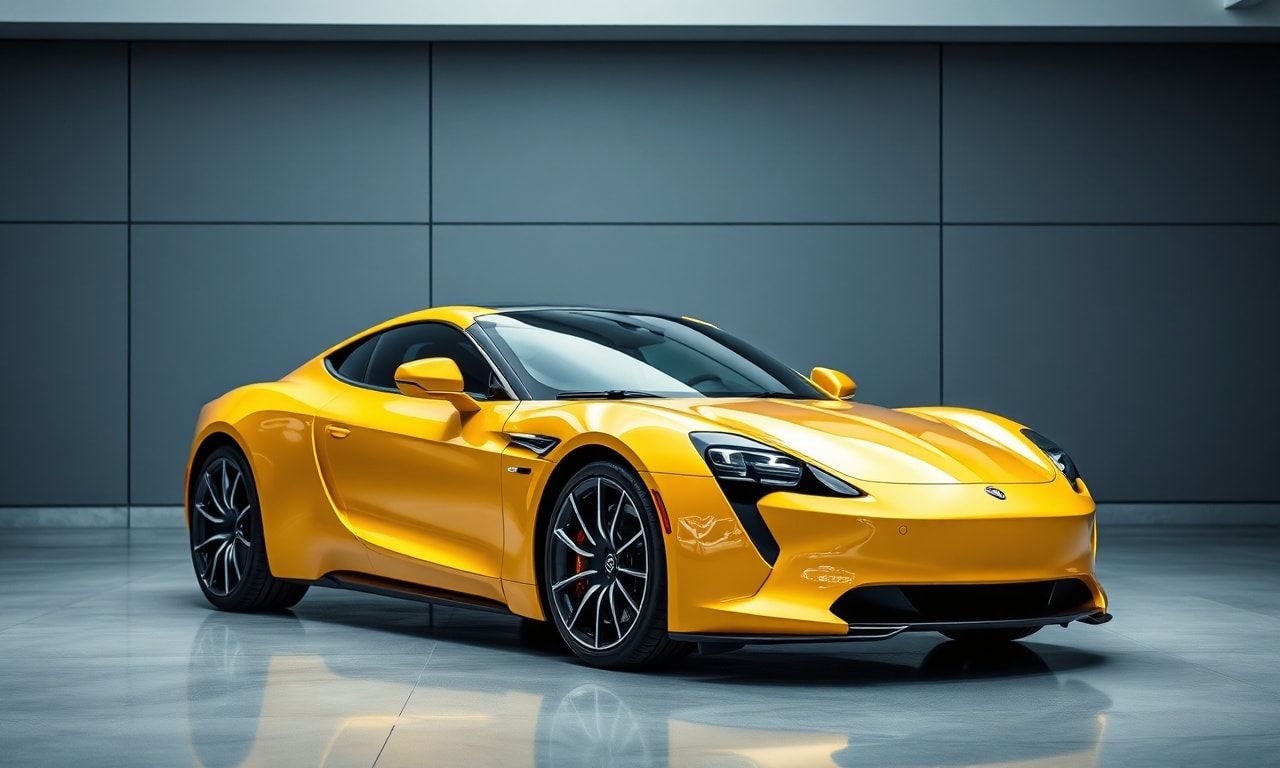
The Evolution of Automotive Design
The automotive industry has always been at the forefront of design innovation, constantly evolving to meet the aesthetic and functional needs of drivers. From the sleek lines of classic cars to the futuristic designs of modern vehicles, automotive design has always been a reflection of the times. This evolution is not just about performance and technology but also about style and personal expression.
The Influence of Fashion on Car Design
Fashion and automotive design share a symbiotic relationship. Just as fashion trends influence the way we dress, they also impact the way cars are designed. The automotive industry often draws inspiration from the fashion world, incorporating elements of style and elegance into vehicle design. This influence is evident in the use of bold colors, unique textures, and innovative materials that mirror current fashion trends.
For instance, the rise of minimalist fashion has led to the popularity of cars with clean, uncluttered lines and simple, elegant designs. Similarly, the resurgence of vintage fashion has sparked a renewed interest in classic car models. This interplay between fashion and automotive design creates a dynamic and ever-changing landscape that keeps both industries exciting and relevant.
The Role of Personal Expression
Automotive design is not just about functionality; it’s also about personal expression. Just as people use fashion to express their individuality, they also use their choice of vehicle to make a statement. The automotive industry recognizes this and strives to offer a wide range of styles and designs to cater to different tastes and preferences.
From sporty coupes to luxurious sedans, there’s a car for every personality. Moreover, the rise of customization options allows drivers to personalize their vehicles, making them a true extension of their personal style. This trend is not limited to the exterior design; interior customization, including seating materials, color schemes, and technology features, also plays a significant role in personal expression.
The Impact of Cultural Trends
Cultural trends also play a significant role in shaping automotive design. As societies become more diverse and interconnected, the automotive industry is increasingly influenced by a wide range of cultural styles and aesthetics. This influence is evident in the incorporation of traditional design elements from different cultures into modern vehicle designs.
For example, the use of intricate patterns and motifs inspired by traditional textiles can be seen in some of the latest car models. Additionally, the growing interest in sustainable fashion has led to an increased focus on eco-friendly materials and production methods in the automotive industry. This trend is not only a response to environmental concerns but also a reflection of the broader cultural shift towards sustainability.
The Future of Automotive Design
The future of automotive design is likely to be shaped by a combination of technological advancements and evolving fashion trends. As technology continues to advance, we can expect to see more innovative and futuristic designs that push the boundaries of what is possible. At the same time, fashion trends will continue to influence the aesthetic aspects of car design, ensuring that vehicles remain stylish and relevant.
One emerging trend is the integration of smart technologies into vehicle design. This includes features such as augmented reality displays, voice-controlled systems, and advanced safety technologies. These innovations not only enhance the driving experience but also contribute to the overall aesthetic appeal of the vehicle. As these technologies become more sophisticated, they will undoubtedly play a larger role in shaping the future of automotive design.
The Intersection of Fashion and Automotive Maintenance
While the focus is often on the design and performance of vehicles, the role of fashion in automotive maintenance is equally important. Just as people take pride in their appearance, they also take pride in the condition of their vehicles. This is where the concept of kimono fashion for different casual styles comes into play, as it emphasizes the importance of maintaining a vehicle’s aesthetic appeal.
Regular maintenance, such as washing and waxing, not only keeps a car looking its best but also protects its paint and finish. Additionally, interior cleaning and detailing ensure that the vehicle’s interior remains comfortable and inviting. By paying attention to these details, drivers can maintain the stylish and well-maintained appearance of their vehicles, reflecting their personal sense of style and attention to detail.
Conclusion
The intersection of automotive design and fashion is a fascinating and dynamic field that continues to evolve. As the automotive industry draws inspiration from the fashion world, it creates vehicles that are not only functional but also stylish and expressive. This interplay between design and fashion ensures that cars remain a reflection of our times, incorporating the latest trends and innovations. Whether it’s through the use of bold colors, unique textures, or advanced technologies, the automotive industry continues to push the boundaries of design, creating vehicles that are as stylish as they are functional.
If you’re eager to uncover some lesser-known vehicle maintenance secrets, our article hidden car care tips revealed is a must-read for any car enthusiast.
While we’re all about the latest in automotive news, we couldn’t help but notice an exciting trend emerging in the world of esports that’s worth a look—check out fashion’s role in gaming.
As technology continues to reshape various industries, it’s intriguing to see how it influences fashion, much like it does in the automotive sector; discover how AI and cybersecurity transform style.