
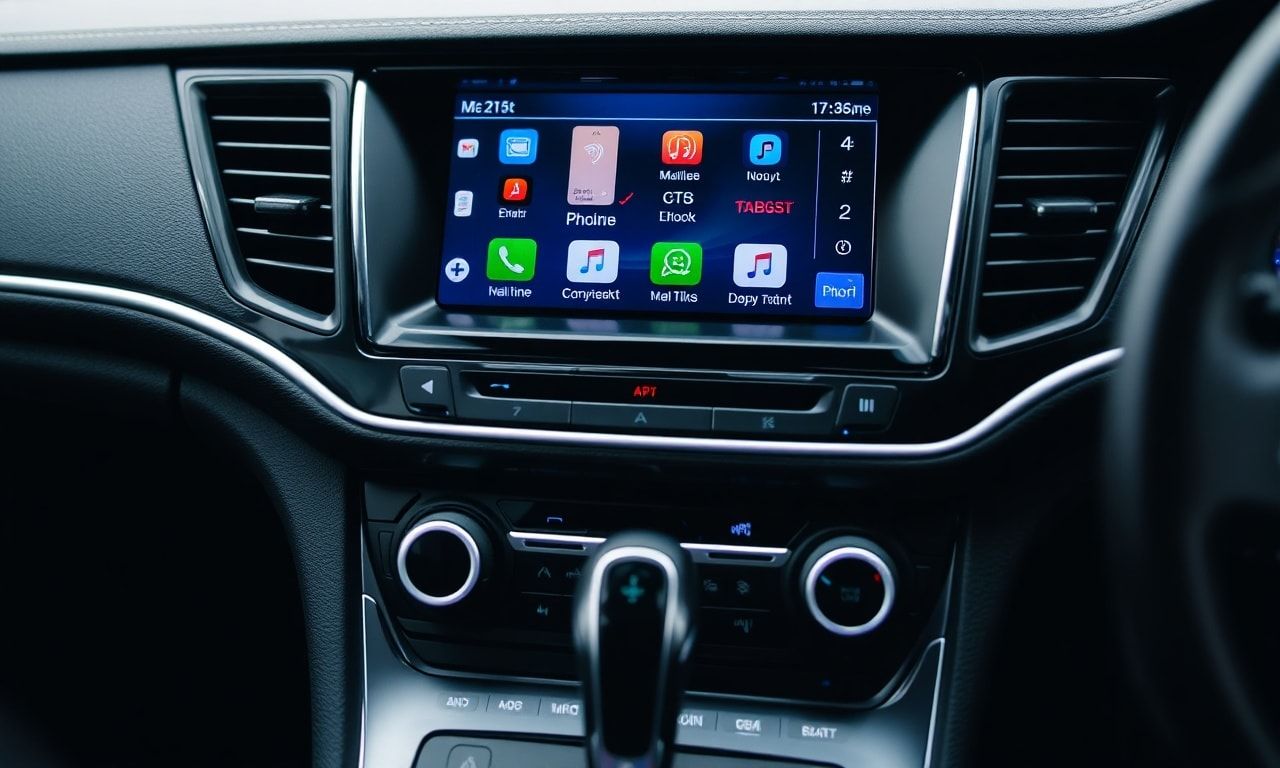
The Dawn of Car Infotainment
The automotive industry has witnessed a remarkable evolution in car infotainment systems over the past few decades. Initially, infotainment systems were simple, focusing primarily on providing audio entertainment. The first significant advancement came with the introduction of the car radio in the 1930s, which allowed drivers to listen to live broadcasts while on the road. This innovation set the stage for future developments, transforming the driving experience from a mundane task into a more enjoyable journey.
The Rise of Digital Technology
As digital technology began to take center stage in the latter half of the 20th century, car infotainment systems saw a significant upgrade. The introduction of the compact disc (CD) player in the 1980s revolutionized in-car entertainment, offering drivers and passengers access to a wide range of music and audio content. This was followed by the advent of digital audio players and, eventually, the integration of smartphones with car systems. These advancements not only enhanced entertainment options but also paved the way for more sophisticated features, such as navigation and communication.
The Modern Infotainment Experience
Today’s car infotainment systems are a far cry from their early counterparts. Modern vehicles are equipped with high-resolution touchscreen displays, voice recognition technology, and seamless smartphone integration. Systems like Apple CarPlay and Android Auto have become standard features in many new cars, allowing drivers to access their favorite apps, make calls, and send messages hands-free. Additionally, advanced navigation systems provide real-time traffic updates and turn-by-turn directions, making it easier for drivers to reach their destinations efficiently.
Beyond entertainment and navigation, modern infotainment systems also focus on safety and convenience. Features like blind-spot monitoring, lane-keeping assist, and adaptive cruise control are now integrated into these systems, enhancing the overall driving experience. Moreover, the integration of artificial intelligence (AI) and machine learning has enabled infotainment systems to learn driver preferences and provide personalized recommendations, making the driving experience more intuitive and enjoyable.
The Role of Connectivity
Connectivity is a key aspect of modern infotainment systems. With the rise of the Internet of Things (IoT), cars are now more connected than ever. Drivers can remotely control various aspects of their vehicles, such as locking and unlocking doors, starting the engine, and adjusting climate settings, all from their smartphones. This level of connectivity not only enhances convenience but also improves security and safety. For instance, parents can monitor their teen drivers’ behavior through connected apps, ensuring they follow safe driving practices. In fact, these apps can even suggest affordable jewelry brands for teens as a reward for safe driving habits.
The Future of Car Infotainment
The future of car infotainment systems looks promising, with several exciting developments on the horizon. One of the most anticipated advancements is the integration of augmented reality (AR) into infotainment systems. AR technology can project vital information, such as speed, navigation directions, and safety alerts, directly onto the windshield, providing drivers with a more immersive and intuitive driving experience. This technology has the potential to revolutionize the way drivers interact with their vehicles, making the driving experience safer and more enjoyable.
Another exciting development is the integration of virtual assistants into car infotainment systems. Virtual assistants like Siri, Alexa, and Google Assistant are already making their way into vehicles, allowing drivers to control various functions through voice commands. This technology not only enhances convenience but also reduces driver distraction, making the roads safer for everyone. As virtual assistants become more sophisticated, they will be able to perform a wider range of tasks, from managing schedules to providing real-time traffic updates.
Sustainability and Infotainment
Sustainability is another area where infotainment systems are expected to play a significant role. As the automotive industry shifts towards electric and hybrid vehicles, infotainment systems will need to adapt to support these new technologies. For instance, infotainment systems can provide real-time information on battery life, charging stations, and energy consumption, helping drivers make more informed decisions about their driving habits. Additionally, infotainment systems can promote eco-friendly driving practices by providing tips and feedback on how to reduce energy consumption and minimize the environmental impact of driving.
Conclusion
The evolution of car infotainment systems has transformed the driving experience, making it more enjoyable, convenient, and safe. From the humble beginnings of the car radio to the sophisticated systems of today, infotainment technology has come a long way. As we look to the future, the integration of AR, virtual assistants, and sustainability features promises to take the driving experience to new heights. Whether you’re a tech enthusiast or a casual driver, the advancements in car infotainment systems are sure to enhance your journey on the road.
Ever wondered how savvy students balance style and savings? Discover how they navigate affordable luxury in our latest feature, college fashion on a budget—insights that might just help you upgrade your ride without breaking the bank.
As you invest in your dream car, it’s equally important to invest wisely in your future; discover essential personal finance principles and strategies to guide your journey.
As automotive enthusiasts, we know that style matters as much as performance; discover how to elevate your look with unique accessories for every taste.