
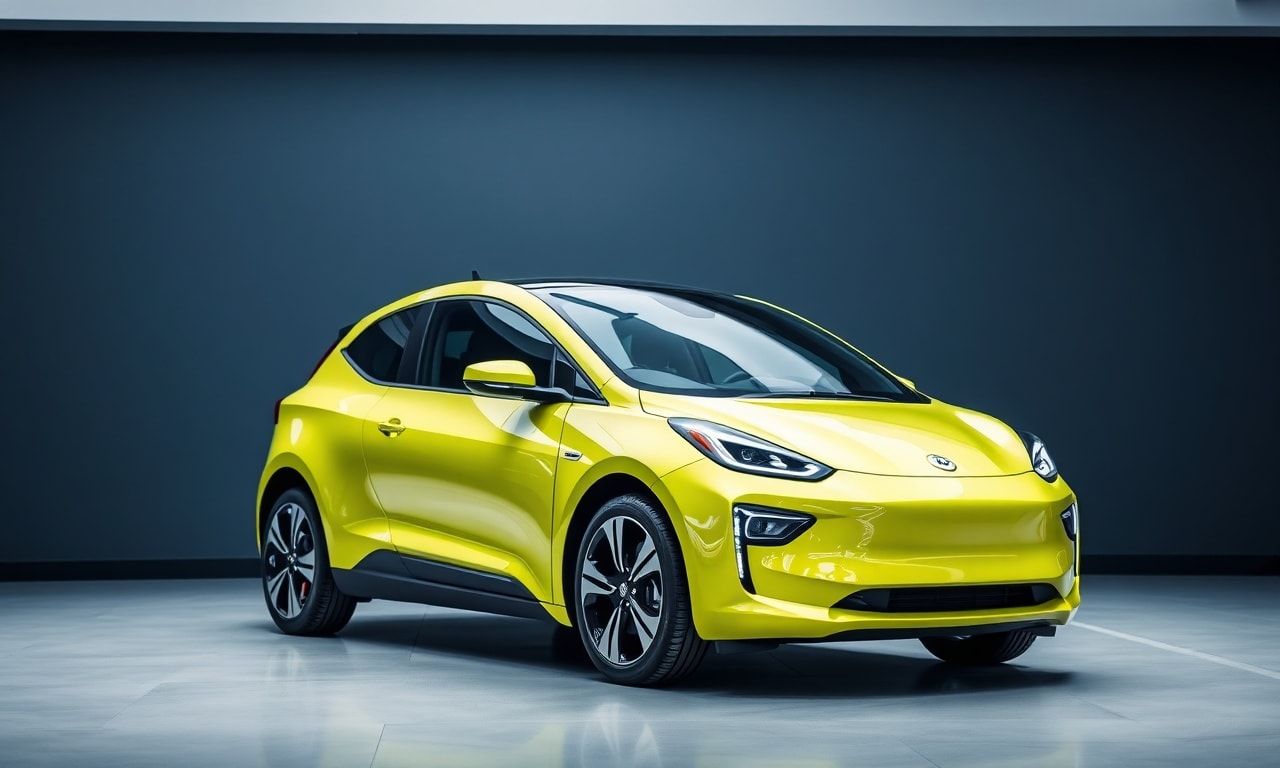
The Rise of Electric Vehicles
The automotive industry is undergoing a profound transformation, driven by the rise of electric vehicles (EVs). This shift is not merely a trend but a revolution that promises to redefine our relationship with transportation. The journey of EVs from niche products to mainstream contenders has been remarkable, fueled by advancements in technology, increasing environmental awareness, and supportive government policies.
Electric vehicles offer numerous advantages over traditional internal combustion engine (ICE) vehicles. They produce zero tailpipe emissions, reducing air pollution and mitigating climate change. Additionally, EVs are often more energy-efficient and have lower operating costs, making them an attractive option for consumers. As the technology continues to evolve, the range and performance of EVs are improving, addressing some of the initial concerns that deterred potential buyers.
The Technology Behind Electric Vehicles
The heart of an electric vehicle is its battery, which stores the electrical energy needed to power the motor. Lithium-ion batteries are currently the most common type used in EVs due to their high energy density and relatively low weight. However, research is ongoing to develop even more efficient and cost-effective battery technologies, such as solid-state batteries, which could offer significant improvements in range and charging times.
Another critical component of EVs is the electric motor, which converts electrical energy into mechanical energy to drive the wheels. Unlike traditional engines, electric motors are simpler in design, have fewer moving parts, and require less maintenance. This simplicity translates to lower maintenance costs and increased reliability for EV owners.
Charging infrastructure is a crucial aspect of the EV ecosystem. As the number of electric vehicles on the road grows, so does the need for a robust and accessible charging network. Fast-charging stations, which can recharge an EV’s battery to 80% capacity in about 30 minutes, are becoming more common. Additionally, advancements in wireless charging technology promise to make charging even more convenient in the future.
The Environmental Impact of Electric Vehicles
One of the primary drivers behind the adoption of electric vehicles is their potential to reduce greenhouse gas emissions and combat climate change. By eliminating tailpipe emissions, EVs significantly reduce air pollution in urban areas. However, the overall environmental impact of EVs depends on several factors, including the source of the electricity used to charge them.
In regions where electricity is generated from renewable sources such as wind, solar, or hydro power, the environmental benefits of EVs are maximized. Conversely, in areas where electricity is primarily derived from fossil fuels, the environmental advantages may be less pronounced. Nonetheless, even in such regions, EVs are generally more efficient than ICE vehicles, resulting in lower overall emissions.
Beyond emissions, the production and disposal of EV batteries pose environmental challenges. Mining for lithium and other rare earth metals can have significant ecological and social impacts. To address these concerns, efforts are being made to develop more sustainable battery materials and recycling programs to recover valuable components from used batteries.
The Future of Electric Vehicles
The future of electric vehicles looks promising, with continued advancements in battery technology, charging infrastructure, and vehicle design. Automotive manufacturers are investing heavily in EV development, with many planning to phase out the production of ICE vehicles in the coming decades. This shift is expected to accelerate the adoption of EVs and drive further innovation in the industry.
One exciting development is the concept of vehicle-to-grid (V2G) technology, which allows EVs to not only consume electricity but also feed it back into the grid. This bidirectional flow of energy can help stabilize the grid, reduce energy costs, and even provide a source of income for EV owners. As V2G technology becomes more widespread, it could play a significant role in the transition to a more sustainable energy system.
Autonomous driving is another area where EVs are expected to lead the way. The combination of electric propulsion and advanced driver-assistance systems (ADAS) paves the way for fully autonomous vehicles. Companies like Tesla, Waymo, and others are at the forefront of this technology, aiming to create safer and more efficient transportation solutions.
Challenges and Opportunities
Despite the numerous benefits of electric vehicles, several challenges remain. High upfront costs, limited range, and charging infrastructure gaps are some of the hurdles that need to be addressed. However, these challenges also present opportunities for innovation and growth. For instance, improvements in battery technology can lead to longer ranges and lower costs, making EVs more accessible to a broader audience.
Government policies and incentives also play a crucial role in accelerating the adoption of EVs. Subsidies, tax credits, and regulations that promote the use of electric vehicles can help overcome some of the barriers to entry. Additionally, public awareness campaigns and educational initiatives can educate consumers about the benefits of EVs and encourage them to make the switch.
In conclusion, the evolution of electric vehicles represents a significant shift in the automotive industry. With advancements in technology, increasing environmental awareness, and supportive policies, EVs are poised to become the dominant form of transportation in the future. As we continue to innovate and address the challenges associated with EVs, we can look forward to a cleaner, more sustainable, and more efficient transportation system. For more faydalı bilgiler günlük ipuçları, visit faydalı bilgiler günlük ipuçları.
As the automotive industry shifts towards sustainable mobility, understanding the future of electric vehicles becomes crucial; delve into the evolution of electric cars to stay informed about the latest trends and innovations.
If you’re curious about what’s next for the auto industry, don’t miss our latest feature on tomorrow’s driving innovations.
Discover how local events can enhance your lifestyle, even as a car enthusiast, by checking out community events and their benefits.