
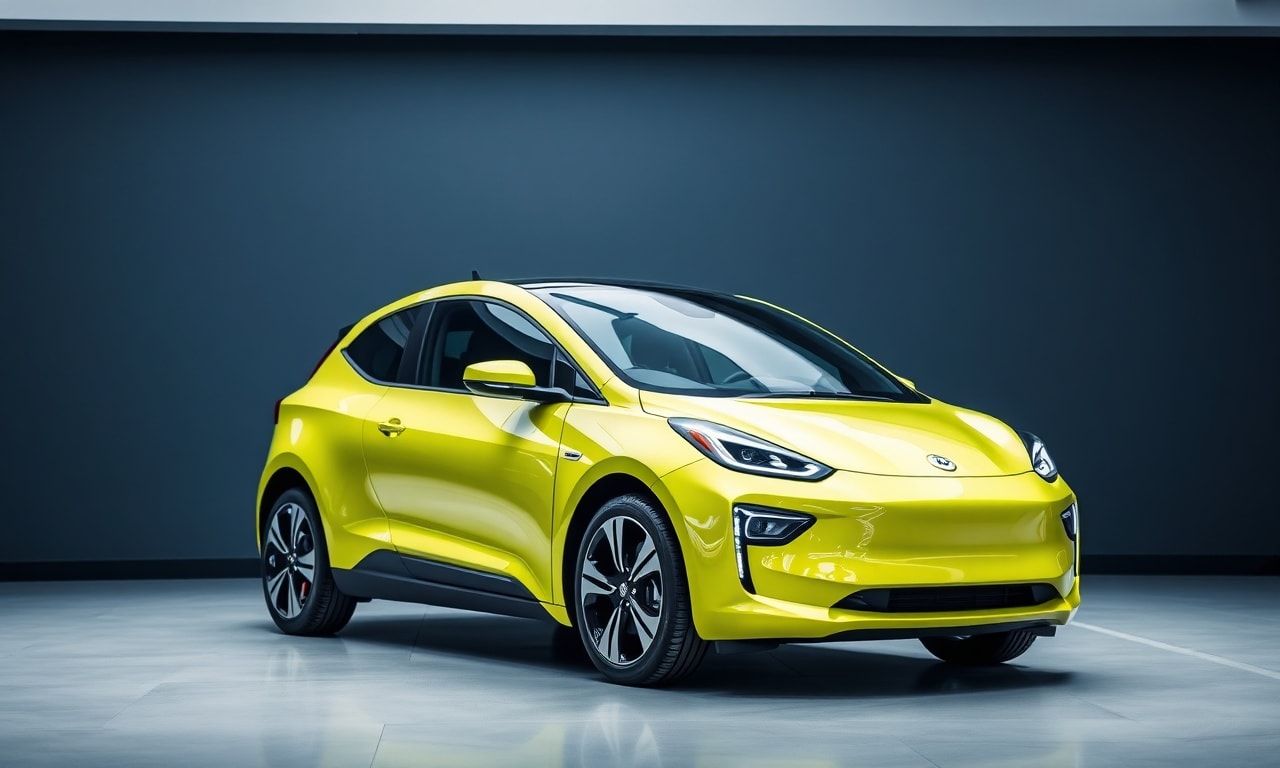
The Rise of Electric Vehicles
The automotive industry is undergoing a significant transformation with the rise of electric vehicles (EVs). This shift is driven by a combination of environmental concerns, technological advancements, and changing consumer preferences. EVs are no longer a niche market but are becoming mainstream, with major automakers investing heavily in this sector. The evolution of EVs is not just about the vehicles themselves but also about the infrastructure and policies that support their adoption.
The Environmental Impact
One of the primary drivers behind the growth of EVs is their environmental benefits. Traditional internal combustion engine (ICE) vehicles contribute significantly to air pollution and greenhouse gas emissions. EVs, on the other hand, produce zero tailpipe emissions, making them a cleaner alternative. As the world grapples with climate change, the demand for sustainable transportation solutions is on the rise. Governments around the globe are implementing stricter emissions regulations, further accelerating the shift towards EVs.
Technological Advancements
The rapid advancements in battery technology have been a game-changer for the EV industry. Lithium-ion batteries, which are commonly used in EVs, have seen significant improvements in energy density, lifespan, and cost. These advancements have made EVs more affordable and capable of longer ranges. Additionally, innovations in charging infrastructure, such as fast-charging stations, have made EV ownership more convenient. The integration of smart technologies, such as autonomous driving features, is also enhancing the overall driving experience.
Brand Awareness and Market Strategies
As the EV market becomes more competitive, automakers are focusing on brand awareness building strategies to differentiate themselves. Companies are investing in marketing campaigns, partnerships, and innovative technologies to capture the attention of consumers. For instance, Tesla has successfully built a strong brand identity through its innovative designs and cutting-edge technology. Other automakers are following suit, with companies like Ford, General Motors, and Volkswagen launching their own EV models and campaigns. Effective brand awareness strategies are crucial for capturing market share in this rapidly evolving industry.
Challenges and Opportunities
Despite the numerous benefits of EVs, there are still challenges that need to be addressed. One of the main challenges is the limited range of some EV models, which can be a concern for long-distance travel. However, advancements in battery technology are gradually addressing this issue. Another challenge is the need for a robust charging infrastructure. While fast-charging stations are becoming more common, there is still a need for widespread availability to support the growing number of EVs on the road.
On the other hand, the shift towards EVs presents numerous opportunities. The development of new technologies, such as solid-state batteries, could revolutionize the EV industry. Additionally, the growth of the EV market is creating new job opportunities and driving economic growth. As the industry continues to evolve, it is essential for automakers, policymakers, and consumers to work together to overcome challenges and seize these opportunities.
Future Prospects
The future of the automotive industry is undeniably electric. As technology continues to advance and consumer preferences shift, EVs are poised to become the dominant form of transportation. The environmental benefits, coupled with the economic and technological opportunities, make EVs a compelling choice for the future. By addressing the existing challenges and leveraging the opportunities, the automotive industry can transition smoothly towards a sustainable and electrified future.