
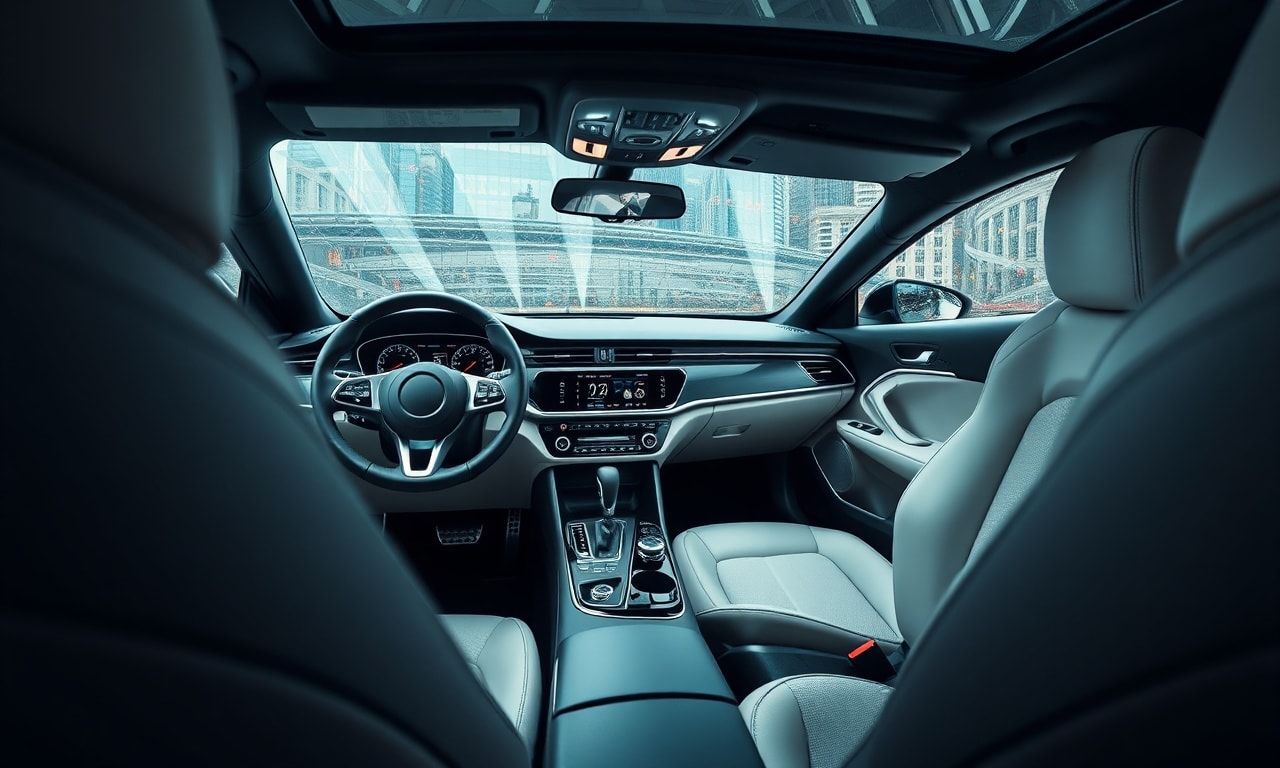
The Evolution of Car Interiors
The automotive industry has always been at the forefront of innovation, constantly evolving to meet the changing needs and preferences of consumers. One of the most significant shifts in recent years has been the focus on health and wellness within car interiors. As people spend more time in their vehicles, the demand for features that promote comfort, safety, and overall well-being has surged. This trend is not just about luxury; it’s about creating a healthier, more enjoyable driving experience for everyone.
Health-Conscious Features in Modern Vehicles
Modern car interiors are increasingly incorporating health-conscious features. For instance, many new models come equipped with air purification systems that filter out pollutants and allergens, ensuring cleaner air inside the cabin. Additionally, ergonomic seats designed to support the spine and reduce fatigue during long drives are becoming standard. Some high-end vehicles even include massage functions and heating elements to enhance comfort. These features are not just for luxury cars; they are becoming more accessible across various price points, reflecting a broader industry shift towards prioritizing passenger health.
Another notable trend is the integration of biometric sensors that monitor the driver’s vital signs, such as heart rate and stress levels. These sensors can alert the driver if they show signs of fatigue or stress, promoting safer driving habits. Some vehicles also come with built-in wellness apps that provide guided meditation and breathing exercises, helping drivers stay calm and focused. These innovations highlight the growing intersection of automotive technology and health, making cars not just a mode of transportation but also a sanctuary for well-being.
The Role of Air Quality in Car Interiors
Air quality is a critical aspect of car interiors that directly impacts the health and comfort of passengers. Poor air quality can lead to respiratory issues, allergies, and even long-term health problems. To address this, many automakers are now equipping their vehicles with advanced air filtration systems. These systems use high-efficiency particulate air (HEPA) filters to remove dust, pollen, and other harmful particles from the cabin. Some cars also feature ionizers that neutralize odors and reduce the presence of bacteria and viruses, creating a healthier environment for occupants.
Moreover, the use of eco-friendly materials in car interiors is gaining traction. Traditional materials like leather and synthetic fabrics can emit volatile organic compounds (VOCs), which can be harmful to health. In response, automakers are turning to natural and sustainable materials such as bamboo, cork, and recycled fabrics. These materials not only reduce the environmental impact but also contribute to better air quality inside the vehicle. By prioritizing air quality and sustainable materials, the automotive industry is taking significant steps towards creating healthier and more eco-friendly car interiors.
Technology and Wellness: A Symbiotic Relationship
The integration of technology into car interiors has opened up new possibilities for promoting wellness. For example, many modern vehicles come with built-in wellness apps that offer a range of features designed to enhance the driving experience. These apps can provide guided meditation sessions, breathing exercises, and even track the driver’s vital signs to offer personalized wellness recommendations. By leveraging technology, automakers are creating a more holistic approach to wellness, making cars not just a means of transportation but also a space for relaxation and rejuvenation.
Additionally, the rise of connected cars has enabled the integration of health and wellness data from wearable devices. Drivers can now sync their fitness trackers and smartwatches with their vehicle’s infotainment system to monitor their health metrics in real-time. This integration allows for a more personalized driving experience, where the car can adjust settings such as seat position, climate control, and even music selection based on the driver’s health data. By harnessing the power of technology, the automotive industry is paving the way for a future where cars are not just vehicles but also wellness companions.
The Impact of Ergonomics on Driver Well-being
Ergonomics plays a crucial role in enhancing driver well-being. Poorly designed seats and controls can lead to discomfort, fatigue, and even long-term health issues such as back pain and muscle strain. To address these concerns, automakers are investing heavily in ergonomic design, ensuring that every aspect of the car interior is optimized for comfort and ease of use. This includes adjustable seats, steering wheels, and pedals that can be customized to fit the driver’s unique needs.
Furthermore, the layout of controls and displays is being carefully designed to minimize distractions and reduce the risk of accidents. For instance, touchscreens and voice-activated controls are becoming more prevalent, allowing drivers to operate various functions without taking their hands off the wheel. By prioritizing ergonomics, automakers are creating a safer and more comfortable driving experience, ultimately contributing to the overall well-being of drivers and passengers alike.
The Future of Automotive Wellness
As the automotive industry continues to evolve, the focus on health and wellness in car interiors is expected to grow even stronger. Emerging technologies such as artificial intelligence (AI) and machine learning are poised to revolutionize the way cars interact with their occupants. For example, AI-powered systems can learn and adapt to the driver’s preferences and health needs, providing personalized recommendations and adjustments to enhance comfort and safety. Additionally, advancements in biometric sensing and data analytics will enable cars to monitor and respond to the health of all occupants, creating a truly personalized and wellness-focused driving experience.
The automotive industry is also exploring the integration of wellness features into shared mobility solutions. As ride-sharing and car-sharing services become more popular, there is a growing demand for vehicles that prioritize the health and comfort of multiple users. This includes features such as self-cleaning interiors, personalized climate control settings, and advanced air purification systems. By addressing the wellness needs of a diverse range of users, automakers are paving the way for a future where shared mobility is not just convenient but also health-conscious.
In conclusion, the future of automotive design is increasingly focused on health and wellness. From advanced air purification systems to ergonomic seats and biometric sensors, the automotive industry is making significant strides in creating healthier and more comfortable car interiors. As technology continues to evolve, we can expect even more innovative features that prioritize the well-being of drivers and passengers. By staying informed about trending topics popular discussions in health and wellness, automakers can continue to push the boundaries of what is possible, ultimately creating a safer and more enjoyable driving experience for everyone.