
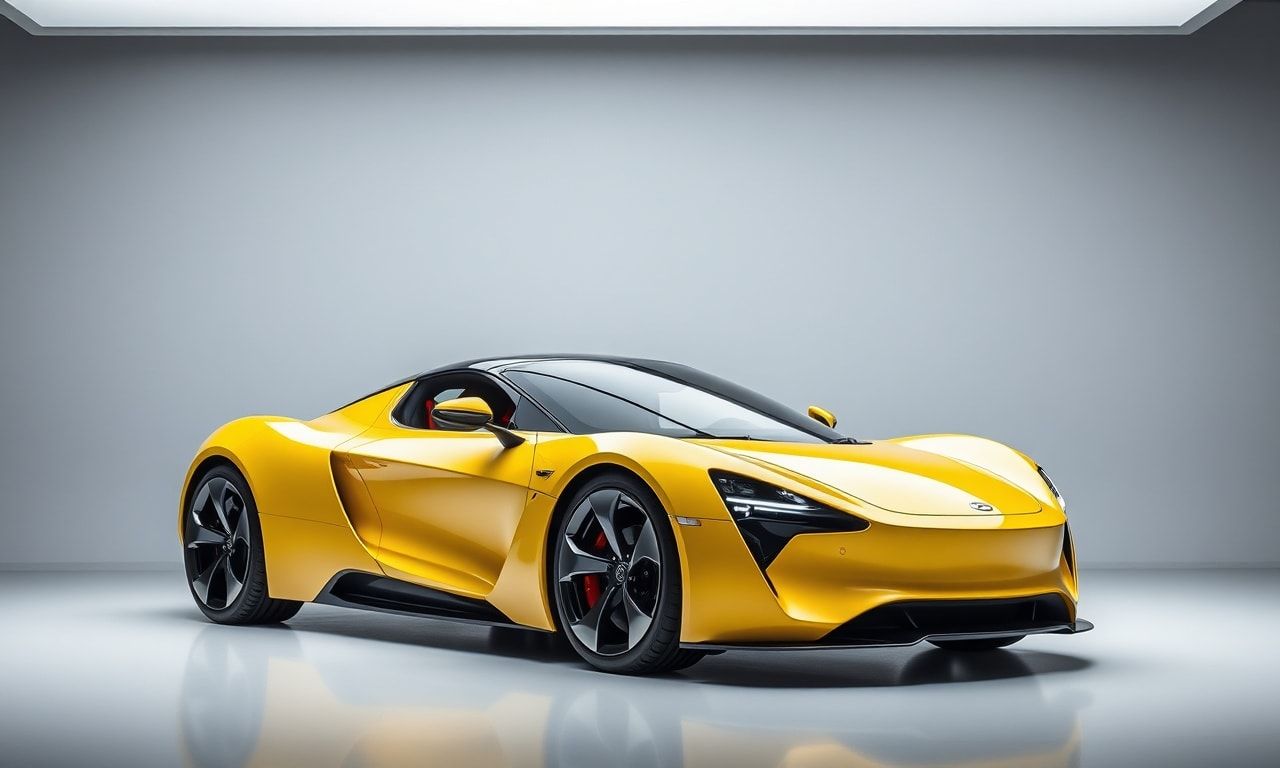
The Evolution of Automotive Design
The automotive industry has always been at the forefront of design innovation, constantly evolving to meet the needs and desires of consumers. From the sleek lines of classic cars to the futuristic concepts of today, automotive design has come a long way. As we look towards the future, it’s clear that the industry is set to undergo a significant transformation, blending fashion and function in ways we’ve never seen before.
The Influence of Fashion on Automotive Design
Fashion and automotive design have always had a symbiotic relationship. The colors, materials, and styles that dominate the runways often find their way into car design. This trend is set to continue, with designers drawing inspiration from the latest fashion trends to create vehicles that are not only functional but also stylish. For instance, the use of sustainable materials and bold colors in fashion is influencing car manufacturers to adopt similar practices, making vehicles more eco-friendly and visually appealing.
One of the most exciting aspects of this trend is the integration of customizable features. Just as fashion allows individuals to express their unique style, automotive design is moving towards offering more personalized options. From custom paint jobs to interior finishes, car buyers will have the freedom to tailor their vehicles to their personal tastes. This shift towards customization is not just about aesthetics; it’s about creating a driving experience that is uniquely yours.
The Role of Technology in Future Design
Technology is playing a pivotal role in shaping the future of automotive design. Advances in materials science, 3D printing, and artificial intelligence are enabling designers to push the boundaries of what’s possible. For example, 3D printing allows for the creation of complex and intricate designs that would be impossible to achieve with traditional manufacturing methods. This technology is also making it easier to produce custom parts, further enhancing the personalization options available to consumers.
Artificial intelligence is another game-changer in the automotive industry. AI-powered design tools are helping designers create more efficient and aerodynamic vehicles. By analyzing vast amounts of data, these tools can predict how different design elements will affect a car’s performance, allowing designers to make informed decisions. This integration of technology is not only improving the design process but also enhancing the overall driving experience.
The Impact of Sustainability on Automotive Design
Sustainability is a key consideration in the future of automotive design. As consumers become more environmentally conscious, car manufacturers are under pressure to create vehicles that are not only efficient but also eco-friendly. This shift towards sustainability is influencing the materials used in car production, with a greater emphasis on recycled and renewable materials. For instance, the use of plant-based materials and recycled plastics is becoming more common, reducing the environmental impact of car manufacturing.
The fashion industry is also playing a role in promoting sustainability in automotive design. The trend towards sustainable fashion, such as the 2026 modası giyim stil, is influencing car designers to adopt similar practices. By using eco-friendly materials and reducing waste, car manufacturers can create vehicles that are not only stylish but also environmentally responsible.
The Future of Interior Design
The interior of a car is just as important as its exterior design. As technology continues to advance, car interiors are becoming more sophisticated and user-friendly. The integration of touchscreens, voice commands, and augmented reality is transforming the driving experience, making it more interactive and enjoyable. These advancements are not only improving the functionality of car interiors but also enhancing their aesthetic appeal.
Another trend in interior design is the use of modular components. This approach allows for greater flexibility and customization, enabling car owners to tailor their interiors to their specific needs. For example, modular seating arrangements can be easily reconfigured to accommodate different activities, from work to leisure. This trend towards modularity is not just about convenience; it’s about creating a more versatile and adaptable driving experience.
The Role of Consumer Preferences in Shaping the Future
Consumer preferences are playing a crucial role in shaping the future of automotive design. As consumers demand more personalized and sustainable vehicles, car manufacturers are responding by offering a wider range of options. This shift towards consumer-centric design is not only improving the quality of vehicles but also enhancing the overall driving experience. By listening to consumer feedback and incorporating their preferences into the design process, car manufacturers can create vehicles that truly meet the needs of their customers.
The future of automotive design is an exciting one, filled with innovation and creativity. As fashion, technology, and sustainability continue to influence the industry, we can expect to see vehicles that are not only functional but also stylish and eco-friendly. By embracing these trends, car manufacturers can create vehicles that truly stand out, offering consumers a driving experience that is uniquely their own.
You may also find Elektrikli Araçlar: Geleceğin Mobilitesi helpful as it covers related aspects of this subject.