
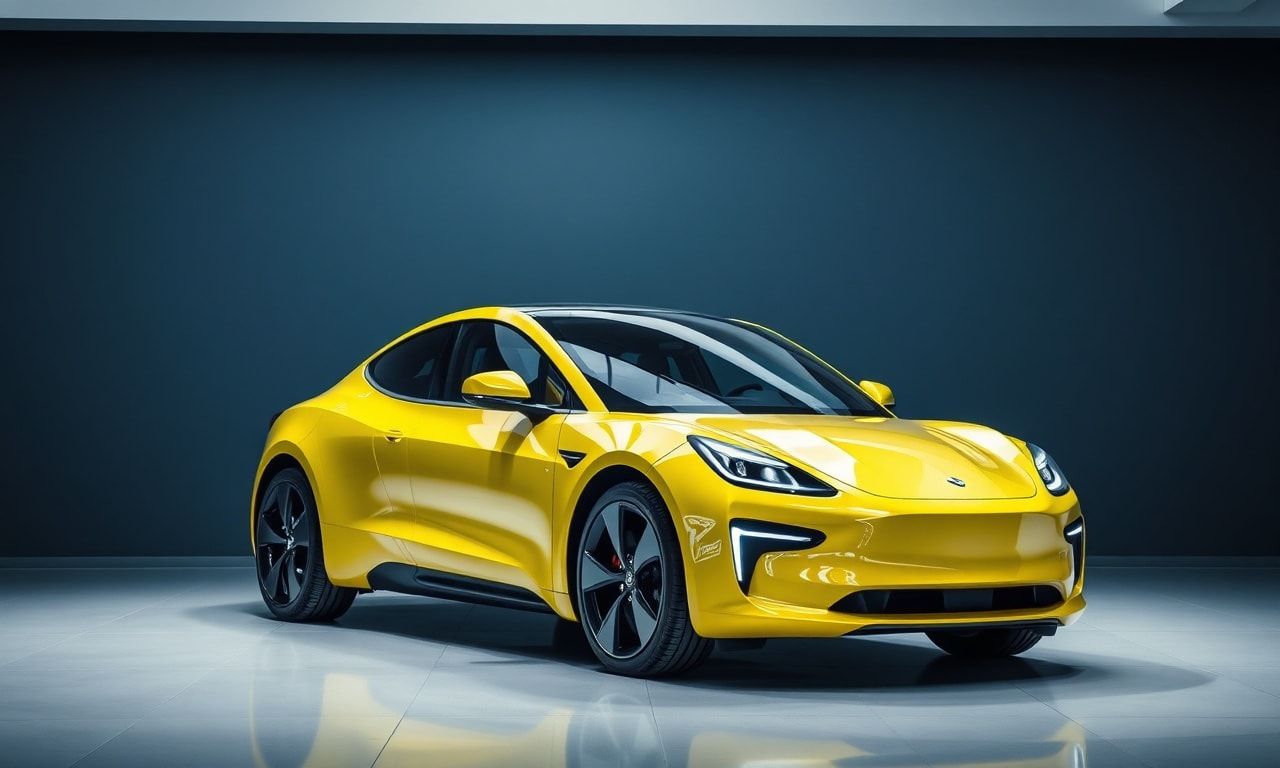
The Evolution of Electric Vehicles
The automotive industry is undergoing a significant transformation, with electric vehicles (EVs) at the forefront of this change. The shift from traditional internal combustion engines to electric power is driven by a combination of environmental concerns, technological advancements, and government regulations. This evolution is not just about replacing one type of engine with another; it’s about reimagining the entire driving experience.
Electric vehicles offer numerous advantages over their gasoline-powered counterparts. They produce zero tailpipe emissions, which is crucial for reducing air pollution and combating climate change. Additionally, EVs are generally more energy-efficient and have lower operating costs. The initial higher purchase price of EVs is often offset by savings on fuel and maintenance over the vehicle’s lifetime.
As technology continues to advance, the range and performance of electric vehicles are improving rapidly. Modern EVs can travel hundreds of miles on a single charge, and fast-charging stations are becoming more widespread, making long-distance travel more feasible. The future of automotive looks bright with electric vehicles leading the charge.
The Role of Autonomous Driving
Autonomous driving is another revolutionary technology that is set to transform the automotive industry. Self-driving cars promise to enhance safety, reduce traffic congestion, and provide greater mobility for those who cannot drive. The integration of artificial intelligence (AI) and machine learning (ML) algorithms enables vehicles to navigate complex environments, make decisions, and learn from their experiences.
The development of autonomous vehicles involves several key components, including sensors, cameras, radar, and lidar systems. These technologies work together to create a comprehensive picture of the vehicle’s surroundings, allowing it to make real-time decisions. Companies like Tesla, Waymo, and Uber are at the forefront of this technology, investing heavily in research and development to bring autonomous vehicles to the market.
However, there are still significant challenges to overcome before autonomous vehicles become mainstream. Regulatory hurdles, ethical considerations, and public acceptance are just a few of the issues that need to be addressed. Despite these challenges, the potential benefits of autonomous driving are immense, and the automotive industry is poised for a major shift in the coming years.
Sustainable Materials and Manufacturing
The automotive industry is also focusing on sustainability in terms of materials and manufacturing processes. Traditional vehicle production involves the use of materials like steel and aluminum, which have a significant environmental impact. In response, automakers are exploring alternative materials that are lighter, stronger, and more sustainable.
One such material is carbon fiber, which is lightweight and highly durable. Carbon fiber composites are already used in high-performance vehicles, and their use is expected to expand as production costs decrease. Additionally, biodegradable plastics and recycled materials are being incorporated into vehicle interiors and other components. These innovations not only reduce the environmental footprint of vehicle production but also contribute to the overall sustainability of the automotive industry.
Manufacturing processes are also being optimized for sustainability. Automakers are adopting lean manufacturing principles, which minimize waste and maximize efficiency. The use of renewable energy sources, such as solar and wind power, in manufacturing facilities is another step towards a more sustainable future. As consumer demand for eco-friendly products grows, the automotive industry is responding with innovative solutions that prioritize sustainability.
The Impact of Connectivity and IoT
The Internet of Things (IoT) is revolutionizing the automotive industry by enabling vehicles to connect with each other and with the infrastructure around them. Connected cars can communicate with traffic signals, road signs, and other vehicles, providing real-time information that enhances safety and efficiency. This connectivity also enables over-the-air (OTA) updates, allowing manufacturers to improve vehicle software and add new features remotely.
The integration of IoT technology in vehicles offers numerous benefits. For example, connected cars can alert drivers to potential hazards, such as accidents or road closures, allowing them to take evasive action. Additionally, IoT-enabled vehicles can monitor their own performance and alert drivers to potential issues before they become serious problems. This proactive approach to maintenance can extend the lifespan of the vehicle and reduce repair costs.
As the automotive industry continues to embrace connectivity and IoT, the driving experience will become more seamless and intuitive. Drivers can expect to enjoy enhanced convenience, safety, and entertainment features, all while contributing to a more efficient and sustainable transportation system. The future of automotive is not just about the vehicles themselves but about the ecosystem that supports them.
Innovations in Vehicle Design
Vehicle design is another area where innovation is driving the automotive industry forward. Traditional design principles are being reimagined to accommodate new technologies and changing consumer preferences. For example, the shift to electric powertrains has allowed for more flexible interior layouts, as there is no longer a need to accommodate a large engine block.
One notable trend in vehicle design is the increasing use of modular platforms. These platforms allow manufacturers to produce a variety of vehicle types, from sedans to SUVs, using the same basic architecture. This approach not only reduces production costs but also enables greater customization and personalization. Consumers can choose from a range of options to create a vehicle that suits their specific needs and preferences.
Another innovation in vehicle design is the integration of advanced materials and technologies. For example, lightweight materials like aluminum and carbon fiber are being used to improve fuel efficiency and performance. Additionally, smart materials that can change color or texture in response to environmental conditions are being explored. These innovations not only enhance the aesthetic appeal of vehicles but also contribute to their functionality and sustainability.
As the automotive industry continues to evolve, vehicle design will play a crucial role in shaping the future of mobility. From electric powertrains to connected technologies, the vehicles of tomorrow will be more efficient, sustainable, and personalized than ever before. The possibilities are endless, and the future of automotive design is bright.
In the meantime, while we wait for the future of automotive to unfold, it’s important to take care of our current vehicles. Regular maintenance, such as oil changes and tire rotations, can extend the life of your car and keep it running smoothly. And if you’re looking for a quick and easy dinner recipes for two to enjoy after a long day of work, check out these quick and easy dinner recipes for two to keep you fueled and ready for whatever the road ahead may bring.