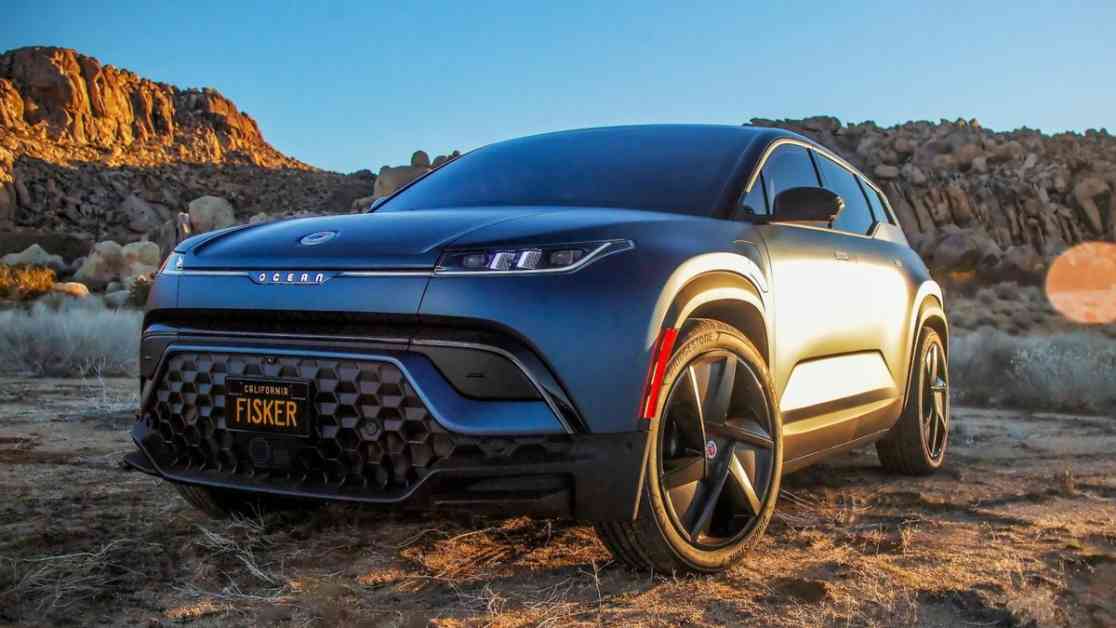
The Evolution of Automotive Technology

The automotive industry has seen remarkable advancements over the past few decades, from the introduction of electric vehicles (EVs) to the development of autonomous driving technologies. As we look ahead, the pace of innovation shows no signs of slowing down. The next decade promises to bring even more groundbreaking changes that will redefine our driving experience and the very nature of personal transportation.

Electric Vehicles: The New Normal

Electric vehicles are no longer a niche market; they are becoming the new normal. Major automakers are investing heavily in EV technology, aiming to phase out internal combustion engines entirely. The shift towards EVs is driven by several factors, including environmental concerns, government regulations, and advancements in battery technology. As battery costs continue to decrease and charging infrastructure expands, EVs will become more accessible and convenient for the average consumer.

One of the most significant developments in the EV sector is the improvement in battery technology. Solid-state batteries, for example, promise to offer higher energy densities, faster charging times, and improved safety compared to traditional lithium-ion batteries. Companies like Toyota and QuantumScape are at the forefront of this research, and their breakthroughs could revolutionize the EV market in the coming years.

The Rise of Autonomous Driving

Autonomous driving technology is another area that is rapidly evolving. While fully self-driving cars are still a few years away, we are already seeing significant advancements in semi-autonomous features. Adaptive cruise control, lane-keeping assist, and automatic emergency braking are just a few examples of how technology is making our roads safer.

Companies like Tesla, Waymo, and Cruise are leading the charge in autonomous vehicle development. Tesla’s Full Self-Driving (FSD) capability, although not yet fully autonomous, represents a significant step forward. Waymo, a subsidiary of Alphabet Inc., has been testing its autonomous taxis in several U.S. cities, and Cruise, backed by General Motors, is also making strides in this area. As these technologies become more reliable and widespread, we can expect to see a shift towards fully autonomous vehicles.

Connectivity and the Internet of Things (IoT)

The future of automotive technology is not just about the car itself but also about how it connects to the world around it. The Internet of Things (IoT) is playing a crucial role in this transformation. Cars are becoming increasingly connected, with features like remote diagnostics, over-the-air updates, and integrated infotainment systems.

For instance, many modern vehicles come equipped with 4G LTE connectivity, allowing drivers to stay connected on the go. This connectivity enables features like real-time traffic updates, remote start, and even the ability to stream music and videos. As 5G technology becomes more prevalent, we can expect even faster and more reliable connectivity, paving the way for advanced features like vehicle-to-vehicle (V2V) and vehicle-to-infrastructure (V2I) communication.

In addition to enhancing the driving experience, connectivity also plays a crucial role in vehicle maintenance. Many modern cars come with built-in diagnostics that can alert drivers to potential issues before they become major problems. This proactive approach to maintenance can save drivers time and money in the long run. For those interested in the technical aspects of vehicle connectivity, a web hosting comparison review can provide insights into the infrastructure that supports these advanced features.

The Role of Artificial Intelligence

Artificial Intelligence (AI) is another key driver of innovation in the automotive industry. AI algorithms are being used to improve various aspects of vehicle performance, from predictive maintenance to advanced driver-assistance systems (ADAS). AI can analyze vast amounts of data to identify patterns and make predictions, enabling vehicles to operate more efficiently and safely.

For example, AI-powered predictive maintenance systems can monitor a vehicle’s components in real-time, detecting potential issues before they cause a breakdown. This proactive approach can significantly reduce downtime and maintenance costs. Similarly, AI is being used to enhance ADAS features, such as adaptive cruise control and automatic emergency braking, making our roads safer for everyone.

Sustainability and Green Technology

As environmental concerns continue to grow, the automotive industry is increasingly focused on sustainability. In addition to the shift towards electric vehicles, automakers are exploring other green technologies, such as hydrogen fuel cells and biofuels. These alternative energy sources offer the potential to reduce greenhouse gas emissions and dependence on fossil fuels.

Hydrogen fuel cells, for example, generate electricity by combining hydrogen and oxygen, producing only water as a byproduct. This technology is being explored by companies like Toyota and Hyundai, which have already introduced hydrogen-powered vehicles to the market. While hydrogen fuel cells are still in the early stages of development, they hold significant promise for the future of sustainable transportation.

Biofuels are another area of interest. These fuels are derived from organic materials, such as plant matter and animal waste, and can be used as a substitute for traditional gasoline and diesel. Biofuels offer a more sustainable alternative to fossil fuels, and their use is expected to grow in the coming years.

Conclusion

The next decade promises to be an exciting time for the automotive industry. From electric vehicles and autonomous driving to connectivity and AI, the advancements we are seeing today are just the beginning. As technology continues to evolve, we can expect to see even more innovative solutions that will transform the way we drive and interact with our vehicles. The future of automotive technology is bright, and it is clear that the next decade will bring about significant changes that will shape the industry for years to come.

As the automotive industry evolves, electric vehicles are at the forefront of this transformation; dive into the future of mobility with our latest feature, electric cars shaping tomorrow.

To stay ahead in the competitive auto industry, check out e-commerce trends for success and learn how to leverage online platforms for your automotive business.

To enhance your daily routine and maintain a smooth ride, consider exploring improving your vehicle’s performance with practical tips and insights.