
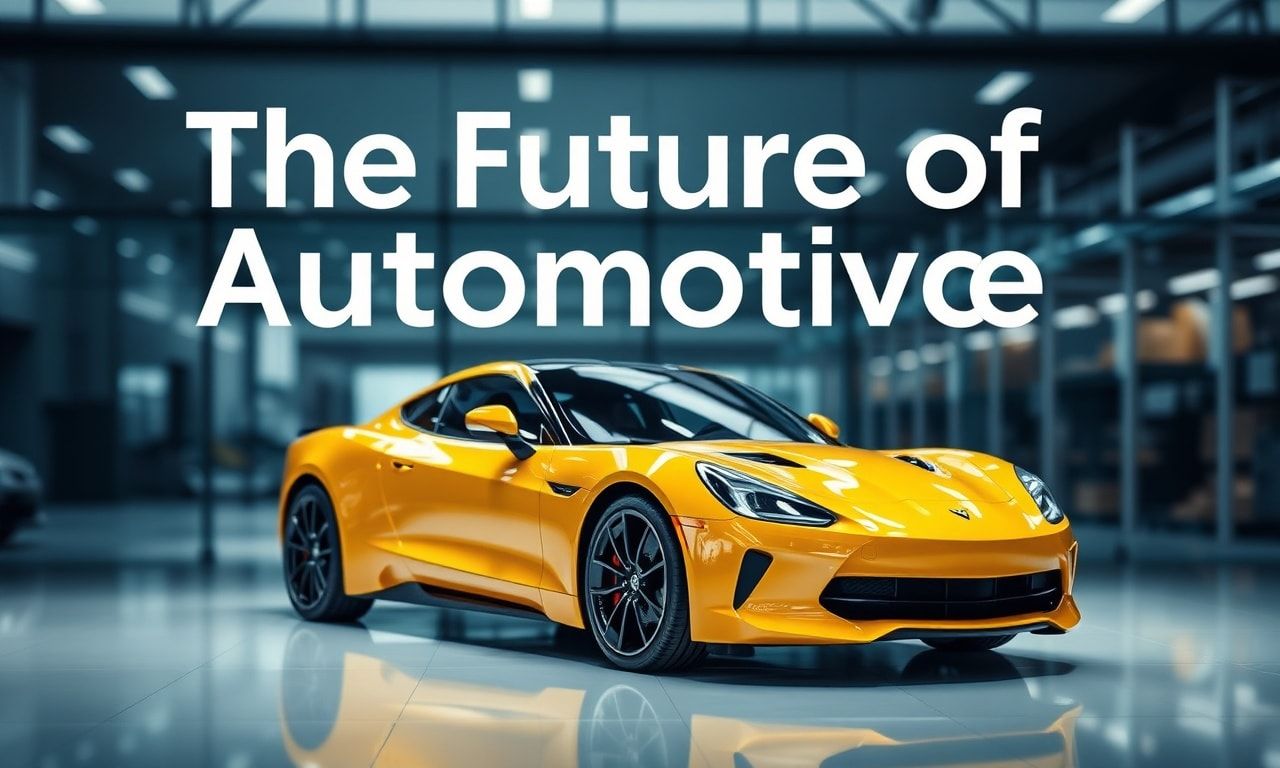
The Evolution of the Automotive Industry
The automotive industry has undergone a remarkable transformation over the past century. From the invention of the first gasoline-powered car to the advent of electric vehicles (EVs), the journey has been nothing short of revolutionary. Today, the industry is on the cusp of another significant shift, driven by technological advancements, environmental concerns, and changing consumer preferences. Understanding these trends is crucial for anyone passionate about cars and the future of transportation.
Electric Vehicles: The New Normal
Electric vehicles are no longer a novelty; they are becoming the norm. Major automakers are investing heavily in EV technology, aiming to phase out internal combustion engines in the coming decades. Tesla, a pioneer in the EV market, has set a high bar with its innovative designs and cutting-edge technology. Traditional automakers like Ford, General Motors, and Volkswagen are also ramping up their EV production, introducing new models that cater to a wide range of consumers. The shift towards EVs is not just about reducing emissions; it’s about embracing a more sustainable and efficient mode of transportation.
Autonomous Driving: The Road Ahead
Autonomous driving technology is another game-changer in the automotive industry. Companies like Waymo, Cruise, and Tesla are at the forefront of developing self-driving cars that promise to revolutionize the way we travel. While fully autonomous vehicles are still a few years away, significant progress has been made in advancing driver-assistance systems. Features like adaptive cruise control, lane-keeping assist, and automatic emergency braking are already common in many modern vehicles. As technology continues to evolve, we can expect to see more advanced autonomous driving capabilities integrated into our daily commutes.
Sustainability and the Automotive Industry
Sustainability is a key focus for the automotive industry. With growing concerns about climate change, automakers are exploring ways to reduce their environmental impact. This includes not only the development of electric vehicles but also the use of sustainable materials in vehicle manufacturing. Recycled plastics, bio-based materials, and lightweight composites are being used to create more eco-friendly cars. Additionally, the industry is investing in renewable energy sources for manufacturing plants and exploring ways to make the entire supply chain more sustainable. These efforts are not just about meeting regulatory requirements; they are about creating a greener future for all.
For those interested in integrating sustainable practices into their daily lives, exploring lifestyle tips daily improvement can provide valuable insights. From reducing energy consumption to adopting eco-friendly habits, small changes can make a big difference in our overall environmental footprint.
The Role of Connectivity and IoT
Connectivity and the Internet of Things (IoT) are transforming the way we interact with our vehicles. Modern cars are equipped with advanced infotainment systems, GPS navigation, and wireless connectivity features that enhance the driving experience. The integration of IoT technology allows vehicles to communicate with each other and with the infrastructure around them, paving the way for smarter and safer roads. This connectivity also enables remote diagnostics and over-the-air updates, ensuring that vehicles remain up-to-date with the latest software and security patches. As the IoT continues to evolve, we can expect even more innovative features that will make our driving experience more convenient and enjoyable.
The Future of Car Ownership
The concept of car ownership is also evolving. With the rise of ride-sharing services and car-sharing programs, many consumers are opting for flexible mobility solutions instead of owning a vehicle. This shift is driven by the desire for convenience, cost savings, and reduced environmental impact. Automakers are responding to this trend by offering subscription-based services that allow consumers to access a variety of vehicles on-demand. Additionally, the development of autonomous vehicles is expected to further transform the concept of car ownership, as self-driving cars could become a shared resource rather than a personal asset.
Conclusion
The automotive industry is at a pivotal point, with numerous trends and innovations shaping its future. From the rise of electric vehicles and autonomous driving to the focus on sustainability and connectivity, the changes are profound and far-reaching. As consumers, staying informed about these developments can help us make better choices and adapt to the evolving landscape of transportation. Whether you’re a car enthusiast or simply someone interested in the future of mobility, understanding these trends is essential for navigating the road ahead.
After a long day of tinkering under the hood, treat yourself to some well-deserved rest in style with elevating your sleepwear game, our guide to nightwear that combines comfort and sophistication.
As the automotive industry shifts towards sustainable mobility, discover the future of transportation with our latest feature on electric vehicles and their impact.
In the fast-paced world of automotive innovation, continuous learning is key to staying ahead; discover essential skills and strategies for success in education and professional growth.