
The Evolution of Urban Transportation
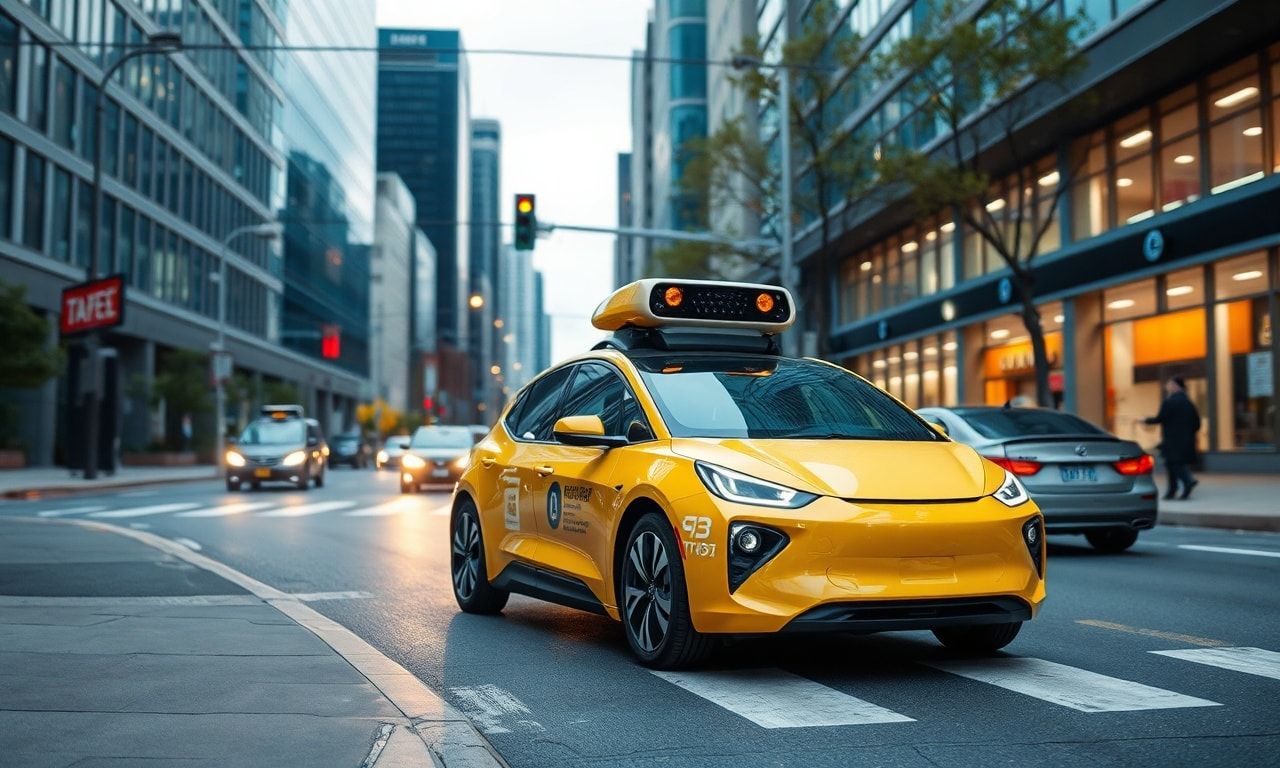
The landscape of urban transportation is undergoing a profound transformation, driven by technological advancements and the need for sustainable, efficient mobility solutions. Among the most significant developments are autonomous vehicles, which promise to revolutionize the way we commute, reducing traffic congestion, enhancing safety, and minimizing environmental impact. As cities around the world grapple with increasing population densities and the challenges of modern urban living, the integration of autonomous vehicles into public transportation networks is becoming an increasingly attractive proposition.
The Role of Autonomous Vehicles in Urban Planning
Autonomous vehicles are poised to play a pivotal role in the future of urban planning. By leveraging advanced sensors, artificial intelligence, and real-time data analytics, these vehicles can navigate city streets with unprecedented precision and efficiency. This capability not only enhances the overall commuting experience but also opens up new possibilities for urban design. For instance, cities can reallocate space currently dedicated to parking and road infrastructure to green spaces, pedestrian walkways, and recreational areas, thereby improving the quality of urban life.
Moreover, the integration of autonomous vehicles into public transportation systems can significantly enhance connectivity. These vehicles can serve as last-mile solutions, bridging the gap between public transit hubs and final destinations. This seamless connectivity can make public transportation more attractive, encouraging more people to use it and thereby reducing the number of private vehicles on the road. As a result, cities can achieve a more balanced and sustainable transportation ecosystem.
Challenges and Considerations
Despite the numerous benefits, the widespread adoption of autonomous vehicles in urban settings is not without its challenges. One of the primary concerns is the need for robust infrastructure to support these vehicles. This includes the deployment of advanced traffic management systems, dedicated lanes, and reliable communication networks. Additionally, there are regulatory and ethical considerations that need to be addressed, such as ensuring the safety of passengers and pedestrians, and establishing clear guidelines for liability in the event of accidents.
Another critical aspect is the impact on employment. The rise of autonomous vehicles could potentially disrupt traditional transportation jobs, such as taxi drivers and bus operators. To mitigate this, cities and policymakers must develop strategies to reskill and retrain workers, ensuring a smooth transition to the new transportation paradigm. Furthermore, the environmental impact of autonomous vehicles needs to be carefully evaluated. While they promise to reduce emissions through optimized routing and reduced traffic congestion, the overall environmental benefit will depend on the energy sources used to power these vehicles.
The Mumbai Transport Schedule Update
In cities like Mumbai, where traffic congestion is a major issue, the integration of autonomous vehicles into the public transportation network could be a game-changer. The Mumbai transport schedule update highlights the ongoing efforts to modernize the city’s transportation infrastructure. By incorporating autonomous vehicles into the existing transit system, Mumbai can potentially reduce travel times, improve air quality, and enhance the overall commuting experience for its residents. This initiative aligns with the broader global trend of leveraging technology to create more sustainable and efficient urban environments.
The Path Forward
The future of urban mobility is bright, with autonomous vehicles playing a central role in reshaping our cities. However, realizing this vision requires a collaborative effort among policymakers, urban planners, technology providers, and the public. By addressing the challenges and leveraging the opportunities presented by autonomous vehicles, cities can create a more connected, sustainable, and livable urban environment for future generations.
As we move forward, it is essential to foster innovation and invest in the necessary infrastructure to support the seamless integration of autonomous vehicles into our daily lives. By doing so, we can unlock the full potential of this transformative technology and pave the way for a more efficient and sustainable urban future.