
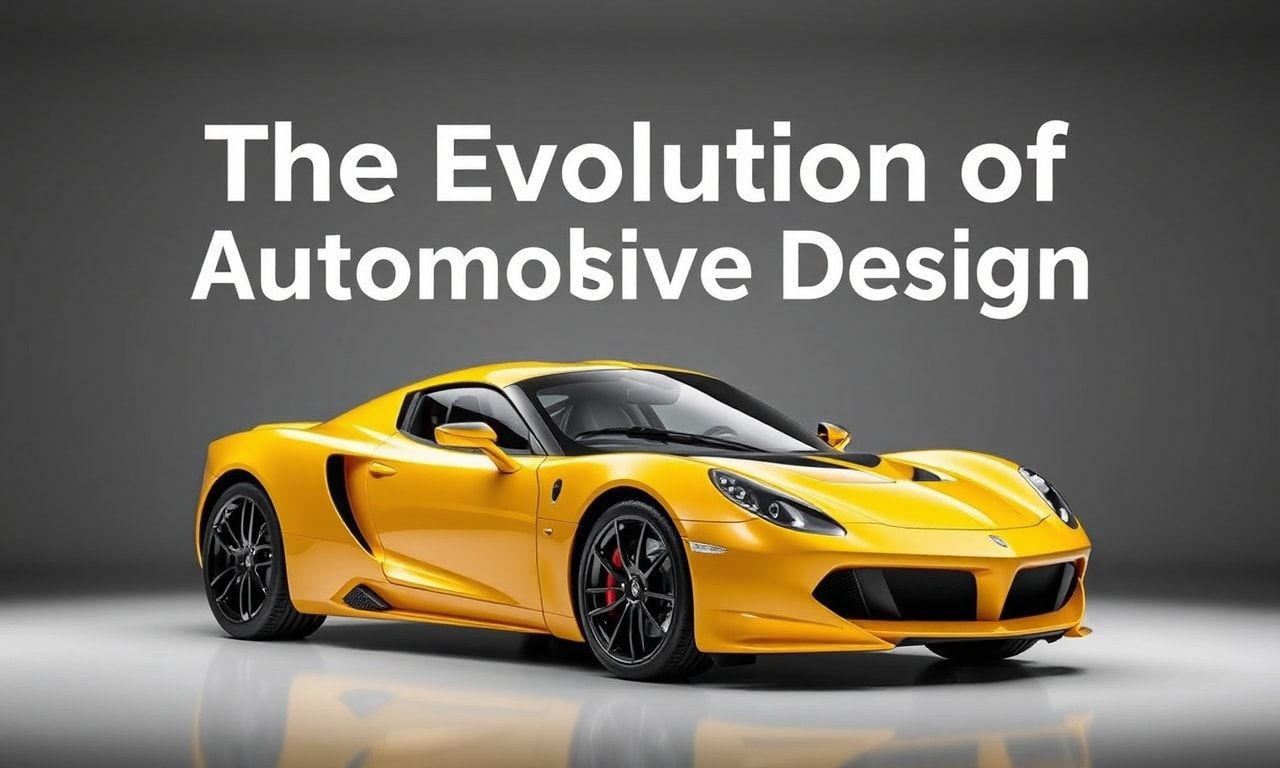
The Early Days: Function Over Form
The automotive industry, in its infancy, was primarily focused on functionality. The first cars were essentially horse carriages without the horses, designed to transport people from one point to another. The design was simple, utilitarian, and often lacked aesthetic appeal. However, as the industry evolved, so did the desire for more than just functional vehicles. The early 20th century saw a shift towards incorporating design elements into automotive manufacturing, marking the beginning of a new era in automotive history.
The Rise of Streamlining: Form Meets Function
In the 1930s, the concept of streamlining emerged, blending form and function seamlessly. This design philosophy was heavily influenced by the aerospace industry, with cars designed to look as if they were cutting through the air. The Chrysler Airflow and the Stout Scarab are notable examples of this era, showcasing how design could enhance both aesthetics and performance. This period also saw the rise of iconic brands like Porsche and Ferrari, which continue to influence automotive design today.
The Post-War Boom: Personal Expression Through Design
The post-World War II era brought about a significant change in automotive design. With the economy booming and a newfound sense of optimism, cars became more than just a means of transportation. They became a symbol of personal expression and status. The 1950s and 1960s saw the rise of iconic models like the Chevrolet Bel Air and the Ford Mustang, which featured bold colors, chrome accents, and sleek lines. This era also saw the introduction of concept cars, which pushed the boundaries of design and technology.
The Modern Era: Technology and Sustainability
Today, automotive design is a complex interplay of technology, sustainability, and aesthetics. The rise of electric vehicles (EVs) has brought about a new wave of design innovations, with companies like Tesla leading the charge. The focus is no longer just on horsepower but also on energy efficiency, sustainability, and smart technology integration. The modern car is a testament to how far the industry has come, from the simple, utilitarian vehicles of the past to the sleek, high-tech machines of today.
The Future of Automotive Design
The future of automotive design is set to be even more exciting. With advancements in artificial intelligence, autonomous driving, and sustainable materials, the cars of tomorrow will be smarter, safer, and more environmentally friendly. The integration of augmented reality and virtual reality technologies will also play a significant role in enhancing the driving experience. Moreover, the influence of fashion and lifestyle trends, such as those seen in mode pour fête de la Saint-Sébastien, will continue to shape automotive design, making cars not just a mode of transportation but a reflection of personal style and identity.
Key Trends to Watch
Several key trends are likely to shape the future of automotive design:
- Sustainability: The push for sustainable materials and energy-efficient designs will continue to gain momentum.
- Autonomous Driving: The development of self-driving cars will lead to new design possibilities, focusing on passenger comfort and entertainment.
- Smart Technology: The integration of smart technologies, such as AI and IoT, will enhance the driving experience.
- Personalization: The ability to customize and personalize vehicles will become increasingly important, allowing drivers to express their individuality.
- Safety: Advances in safety technologies will continue to be a priority, with a focus on reducing accidents and improving road safety.
The automotive industry has come a long way since its early days, evolving from simple, functional vehicles to complex, high-tech machines that reflect our values and aspirations. As we look to the future, it is clear that the intersection of technology, sustainability, and personal expression will continue to drive innovation in automotive design.
As electric vehicles continue to shape the future of mobility, understanding their impact on the automotive industry is crucial; delve into the details with the evolution of electric cars.
As the automotive industry shifts towards sustainability, understanding the future of electric vehicles is crucial; delve into the journey of electric cars to stay informed.
Automotive enthusiasts will find it fascinating to discover how technology and art intersect in the world of entertainment, as explored in our latest feature, where fun meets innovation.