
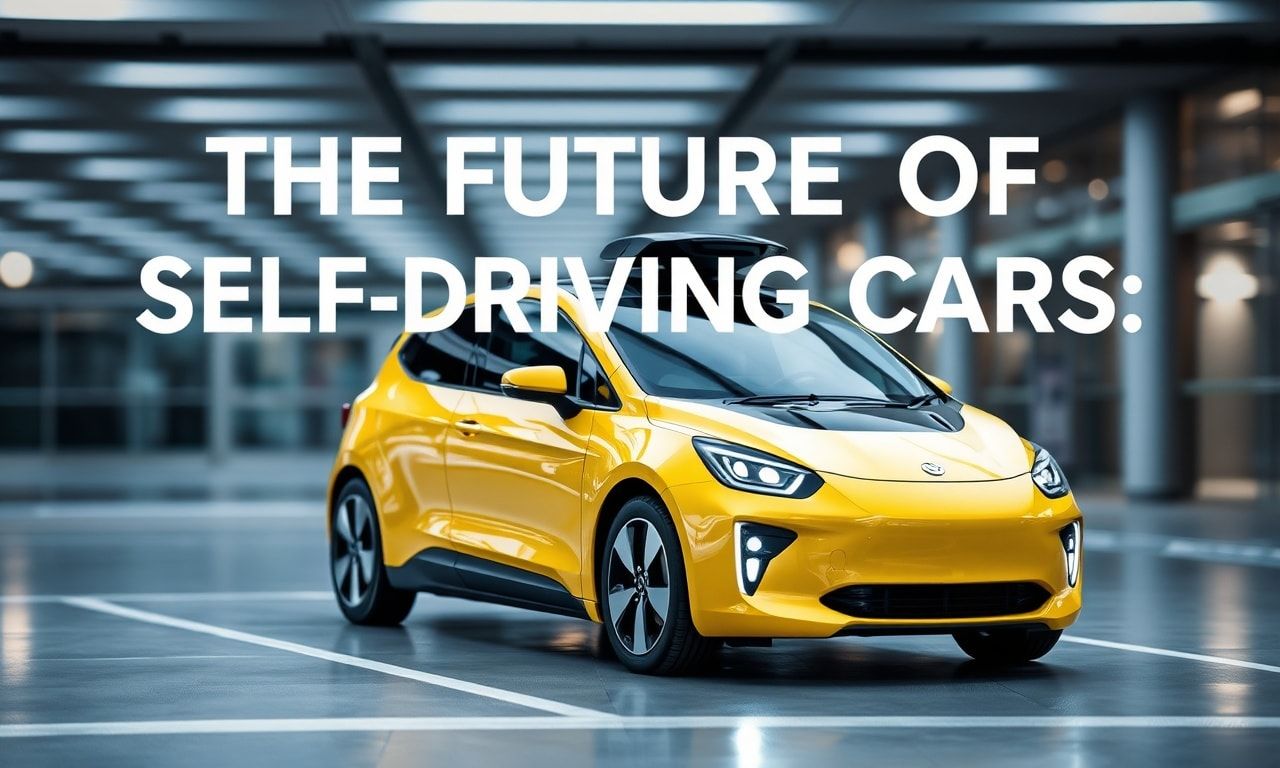
The Evolution of Autonomous Vehicles
The automotive industry has witnessed significant advancements over the past few decades, but none as transformative as the development of autonomous vehicles. These self-driving cars promise to revolutionize the way we commute, travel, and transport goods. The journey towards full autonomy has been marked by incremental progress, with each stage bringing us closer to a future where vehicles can navigate roads without human intervention.
The Levels of Autonomy
Autonomous vehicles are categorized into different levels based on their capabilities. The Society of Automotive Engineers (SAE) has defined six levels of driving automation, ranging from Level 0 (no automation) to Level 5 (full automation).
- Level 0: No automation. The driver performs all driving tasks.
- Level 1: Driver assistance. The vehicle can assist with either steering or accelerating, but not both simultaneously.
- Level 2: Partial automation. The vehicle can control both steering and accelerating under specific conditions, but the driver must remain attentive.
- Level 3: Conditional automation. The vehicle can manage all aspects of driving under certain conditions, but the driver must be ready to take control.
- Level 4: High automation. The vehicle can perform all driving tasks under specific conditions without human intervention.
- Level 5: Full automation. The vehicle can operate under all conditions without any human intervention.
The Technology Behind Autonomous Vehicles
Autonomous vehicles rely on a complex interplay of sensors, cameras, radar, and advanced algorithms to navigate roads safely. These technologies work together to create a comprehensive understanding of the vehicle’s environment, enabling it to make real-time decisions.
Sensors and Cameras
High-resolution cameras and LiDAR (Light Detection and Ranging) sensors provide a 360-degree view of the vehicle’s surroundings. These sensors capture detailed images and data, which are then processed by sophisticated algorithms to identify objects, pedestrians, and other vehicles.
Radar Systems
Radar systems complement cameras and LiDAR by detecting objects and measuring their distance and speed. These systems are particularly effective in low-visibility conditions, such as fog or heavy rain, ensuring that the vehicle can navigate safely even when visibility is poor.
Advanced Algorithms
The heart of autonomous vehicles lies in their advanced algorithms, which process data from sensors and cameras to make driving decisions. Machine learning and artificial intelligence play a crucial role in these algorithms, enabling the vehicle to learn from its experiences and improve its performance over time.
The Impact of Autonomous Vehicles on Society
The widespread adoption of autonomous vehicles is expected to have a profound impact on society. From reducing traffic congestion to improving road safety, the benefits of self-driving cars are manifold. However, there are also challenges and ethical considerations that need to be addressed.
Reducing Traffic Congestion
Autonomous vehicles have the potential to reduce traffic congestion by optimizing traffic flow and minimizing human errors that often lead to accidents and delays. With advanced communication systems, these vehicles can coordinate their movements, ensuring smoother traffic flow and reducing the need for extensive road infrastructure.
Improving Road Safety
One of the most significant benefits of autonomous vehicles is the potential to improve road safety. Human error is a leading cause of accidents, and self-driving cars can eliminate this factor by making decisions based on data and algorithms. This can lead to a significant reduction in accidents and fatalities on the roads.
Ethical Considerations
Despite the numerous benefits, the adoption of autonomous vehicles also raises ethical questions. For instance, how should a self-driving car prioritize safety in situations where an accident is unavoidable? These ethical dilemmas need to be addressed through careful regulation and public discourse to ensure that the benefits of autonomous vehicles are realized without compromising ethical standards.
The Role of Marketing in the Automotive Industry
The automotive industry is highly competitive, and effective marketing strategies are crucial for success. Companies need to communicate the benefits of their products to consumers and build brand loyalty. For instance, understanding how to market content effectively can be a game-changer. Resources like the danimarka içeriği pazarlama rehberi can provide valuable insights into creating compelling content that resonates with the target audience.
The Future of Autonomous Vehicles
The future of autonomous vehicles is bright, with continuous advancements in technology and increasing investment from both the public and private sectors. As these vehicles become more prevalent, they will transform the way we live, work, and travel. The journey towards full autonomy is ongoing, but the potential benefits make it a worthwhile endeavor.
In conclusion, autonomous vehicles represent a significant leap forward in the automotive industry. Their development and adoption will bring about profound changes in society, from improved road safety to reduced traffic congestion. However, addressing the challenges and ethical considerations associated with these vehicles is crucial to ensuring their successful integration into our daily lives.
As the auto industry shifts towards sustainability, it’s insightful to see how cities are adapting; check out Glasgow’s green initiatives for inspiration.
As the auto industry embraces digital transformation, understanding emerging trends becomes crucial; explore key marketing trends shaping the future to stay ahead.
Delve into the fascinating journey of automotive advancements with our latest feature, automotive tech evolution, offering an in-depth look at how far we’ve come in the world of vehicles.