
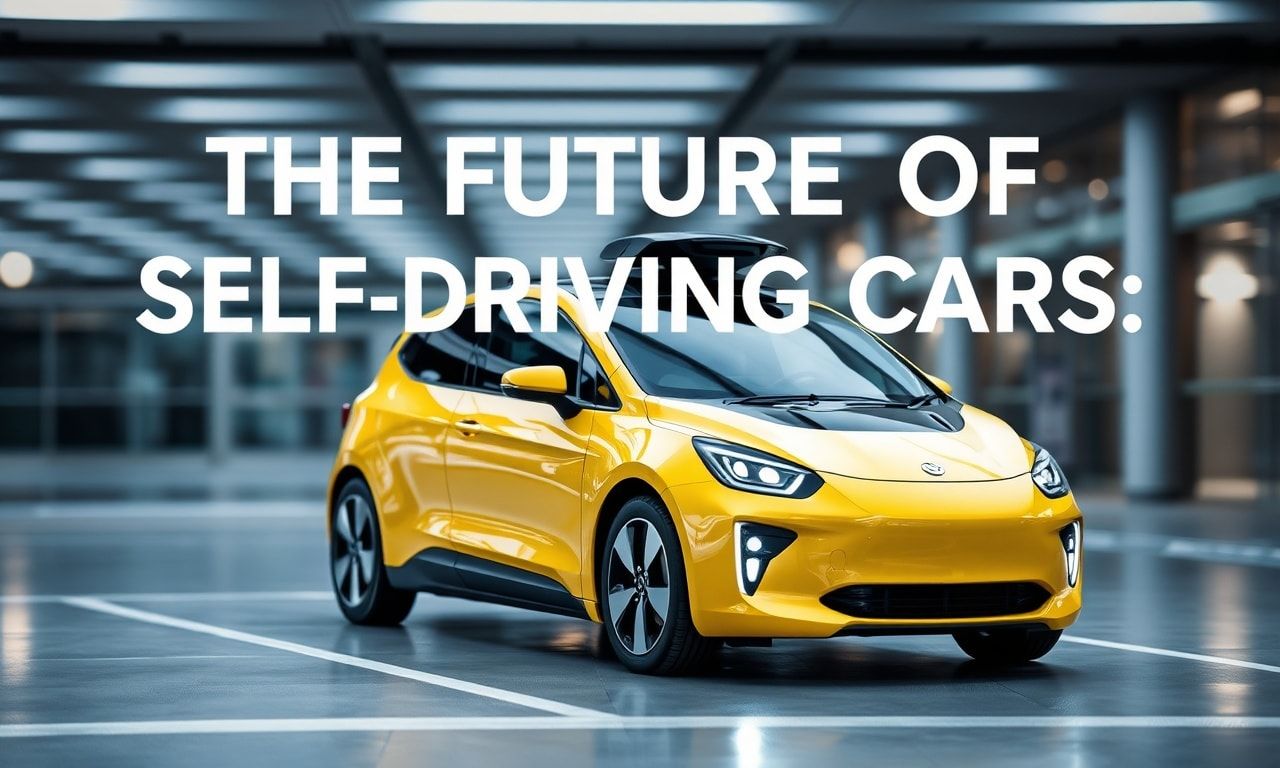
The Evolution of Autonomous Vehicles
The automotive industry has witnessed remarkable advancements over the past few decades, but none as transformative as the development of autonomous vehicles. These self-driving cars promise to revolutionize the way we commute, travel, and transport goods. The journey towards full autonomy has been marked by significant milestones, from the early days of adaptive cruise control to today’s sophisticated AI-driven systems.
Autonomous vehicles leverage a combination of sensors, cameras, radar, and advanced algorithms to navigate roads safely. Companies like Tesla, Waymo, and Uber have been at the forefront of this technological revolution, investing billions in research and development. The goal is to create vehicles that can operate without human intervention, significantly reducing accidents caused by human error.
As we look to the future, the integration of autonomous vehicles into our daily lives is becoming increasingly inevitable. This shift will not only change how we drive but also impact urban planning, traffic management, and even our social interactions. The potential benefits are immense, including reduced traffic congestion, lower emissions, and increased mobility for those who cannot drive.
The Role of Artificial Intelligence
Artificial Intelligence (AI) is the backbone of autonomous vehicles. AI systems enable these vehicles to process vast amounts of data in real-time, making decisions that mimic human drivers but with greater precision and reliability. Machine learning algorithms allow the vehicles to learn from their experiences, continuously improving their performance and safety.
One of the key challenges in developing autonomous vehicles is ensuring their ability to handle complex and unpredictable scenarios. AI systems must be trained to recognize and respond to a wide range of situations, from navigating through heavy traffic to dealing with sudden obstacles. This requires extensive testing and simulation, often involving millions of miles of virtual driving.
In addition to AI, the integration of advanced sensor technologies is crucial. LiDAR, radar, and high-resolution cameras work together to create a comprehensive picture of the vehicle’s surroundings. These sensors provide the data necessary for the AI systems to make informed decisions, ensuring the safety of passengers and other road users.
The Impact on Society
The widespread adoption of autonomous vehicles will have profound societal implications. One of the most significant impacts will be on employment, particularly for professional drivers. Jobs such as truck drivers, taxi drivers, and delivery drivers may see a decline as autonomous vehicles take over these roles. However, new opportunities will also emerge in areas like vehicle maintenance, software development, and data analysis.
Autonomous vehicles also promise to enhance mobility for individuals who are unable to drive due to age, disability, or other factors. This increased accessibility can lead to greater independence and improved quality of life for many people. Additionally, the potential for reduced traffic congestion and lower emissions can contribute to more sustainable and livable cities.
Despite these benefits, there are also concerns about the ethical and legal implications of autonomous vehicles. Questions about liability in the event of an accident, data privacy, and the ethical decisions made by AI systems are all areas that require careful consideration. Policymakers, industry leaders, and the public must work together to address these challenges and ensure the responsible deployment of autonomous technology.
Challenges and Considerations
While the future of autonomous vehicles is promising, there are still significant challenges to overcome. One of the primary concerns is ensuring the safety and reliability of these systems. Autonomous vehicles must be able to handle a wide range of driving conditions and scenarios, including adverse weather, complex urban environments, and unexpected obstacles.
Another challenge is the infrastructure required to support autonomous vehicles. This includes not only the physical infrastructure, such as roads and traffic signals, but also the digital infrastructure, such as high-speed internet and data networks. Ensuring that these systems are robust and secure is essential for the safe and efficient operation of autonomous vehicles.
Public acceptance is also a critical factor in the success of autonomous vehicles. Many people are still skeptical about the safety and reliability of these systems. Building trust through transparent communication, rigorous testing, and demonstrating the benefits of autonomous technology will be essential in gaining public support.
The Road Ahead
The road ahead for autonomous vehicles is both exciting and challenging. As technology continues to advance, we can expect to see more sophisticated and capable autonomous systems. The integration of AI, advanced sensors, and connectivity will enable these vehicles to operate safely and efficiently in a wide range of environments.
However, achieving full autonomy will require ongoing collaboration between industry, government, and academia. Policymakers must create regulations that balance innovation with safety, while industry leaders must invest in research and development to overcome technical challenges. Public acceptance will also play a crucial role in shaping the future of autonomous vehicles.
In conclusion, the future of autonomous vehicles holds immense potential to transform the way we live and travel. By addressing the challenges and considerations outlined above, we can pave the way for a safer, more efficient, and more sustainable transportation system. The journey towards full autonomy is just beginning, and the possibilities are endless.
For those interested in staying updated on the latest developments in autonomous vehicles and other cutting-edge technologies, resources like yoga class schedules today can provide valuable insights and information.
Readers interested in this subject may also want to explore The Evolution of Automotive Design: From for additional perspectives.
As the auto industry evolves, understanding the role of AI in technological advancements becomes crucial for staying ahead of the curve.
As the automotive industry shifts towards sustainability, discover how London is pioneering eco-friendly innovations in the capital’s green revolution and what it means for future vehicle maintenance.