The Evolution of Automotive Technology
The automotive industry has always been at the forefront of technological innovation. From the invention of the internal combustion engine to the development of electric vehicles (EVs), the industry has continually evolved to meet the demands of consumers and regulatory bodies. As we look ahead to the next decade, several key trends are emerging that promise to transform the way we think about cars and transportation.
The Rise of Electric Vehicles
Electric vehicles are no longer a niche market; they are becoming mainstream. With advancements in battery technology, EVs are now more affordable and offer longer ranges than ever before. Automakers are investing heavily in EV development, and governments around the world are setting ambitious targets for reducing emissions. This shift towards electrification is not only driven by environmental concerns but also by the desire for energy independence and reduced fuel costs.
One of the most significant developments in the EV sector is the improvement in battery technology. Solid-state batteries, for example, promise to offer higher energy densities, faster charging times, and improved safety compared to traditional lithium-ion batteries. Companies like Toyota and QuantumScape are leading the charge in this area, and we can expect to see these technologies hit the market in the coming years.
The Impact of Autonomous Driving
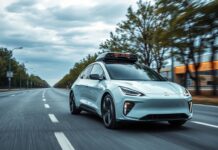
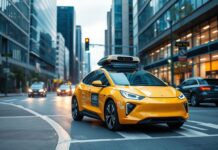
Autonomous driving is another area where significant progress is being made. While fully autonomous vehicles are still some years away, advanced driver-assistance systems (ADAS) are already becoming commonplace. Features like adaptive cruise control, lane-keeping assist, and automatic emergency braking are just the beginning. Companies like Tesla, Waymo, and Uber are at the forefront of developing fully autonomous vehicles, and we can expect to see these technologies become more widespread in the next decade.
The integration of artificial intelligence (AI) and machine learning (ML) is crucial to the development of autonomous driving. These technologies enable vehicles to process vast amounts of data in real-time, making decisions that enhance safety and efficiency. As AI and ML continue to evolve, we can expect autonomous vehicles to become even more capable and reliable.
The Role of Connectivity and IoT
Connectivity is becoming an increasingly important aspect of modern vehicles. The Internet of Things (IoT) is enabling cars to communicate with each other and with infrastructure, creating a more efficient and safer driving environment. Features like vehicle-to-vehicle (V2V) and vehicle-to-infrastructure (V2I) communication are already being tested and will become more common in the coming years.
In addition to improving safety, connectivity is also enhancing the driving experience. Infotainment systems are becoming more sophisticated, offering seamless integration with smartphones and other devices. Features like over-the-air (OTA) updates allow manufacturers to improve vehicle performance and add new features without the need for a trip to the dealership.
Health and wellness are also becoming important considerations in the design of modern vehicles. Features like air purification systems, ergonomic seating, and advanced climate control are becoming standard. For more information on health-related developments, you can visit Gesundheitsnachrichten aktuelle Entwicklungen.
The Shift Towards Sustainable Mobility
Sustainability is a key focus for the automotive industry. As concerns about climate change grow, automakers are increasingly turning to sustainable materials and manufacturing processes. The use of recycled materials in vehicle production is becoming more common, and companies are exploring alternative fuels like hydrogen and biofuels.
In addition to reducing emissions, automakers are also focusing on improving the sustainability of their supply chains. This includes sourcing materials responsibly and reducing waste in the manufacturing process. The shift towards sustainable mobility is not only driven by regulatory pressures but also by consumer demand for more eco-friendly products.
The Future of Car Ownership
The way we own and use cars is also evolving. The rise of car-sharing and ride-hailing services is changing the way people think about vehicle ownership. Instead of owning a car, many consumers are opting for subscription-based models that offer greater flexibility and lower costs.
Automakers are responding to this trend by offering a range of mobility solutions. Companies like BMW and Mercedes-Benz are investing in car-sharing services, while others are exploring new business models like pay-per-use insurance. The future of car ownership is likely to be more flexible and tailored to the needs of individual consumers.
The Impact of Regulatory Changes
Regulatory changes are also shaping the future of the automotive industry. Governments around the world are setting ambitious targets for reducing emissions and improving safety. Automakers must adapt to these changes by developing new technologies and business models.
For example, the European Union has set a target of reducing CO2 emissions from new cars by 37.5% by 2030. This is driving automakers to invest heavily in EV development and other low-emission technologies. Similarly, the United States has set a target of achieving zero emissions from new vehicles by 2035. These regulatory changes are accelerating the shift towards sustainable mobility and are reshaping the automotive industry.
The future of automotive technology is bright, with numerous innovations on the horizon. From the rise of electric vehicles to the development of autonomous driving, the industry is undergoing a profound transformation. As connectivity and sustainability become increasingly important, the way we think about cars and transportation is also evolving. The next decade promises to be an exciting time for the automotive industry, and we can expect to see many of these trends become a reality.
Before embarking on a long journey, it’s crucial to ensure your vehicle is well-prepared; our comprehensive guide on essential travel preparations offers key tips to keep your car in top condition.
Ever wondered how celebrities’ lifestyles influence the auto industry? Discover the fascinating connection in entertainment and real estate trends.
As the automotive industry navigates through uncertain times, it’s crucial to understand the broader context; delve into recent geopolitical impacts on trade and their potential effects on vehicle production and supply chains.