
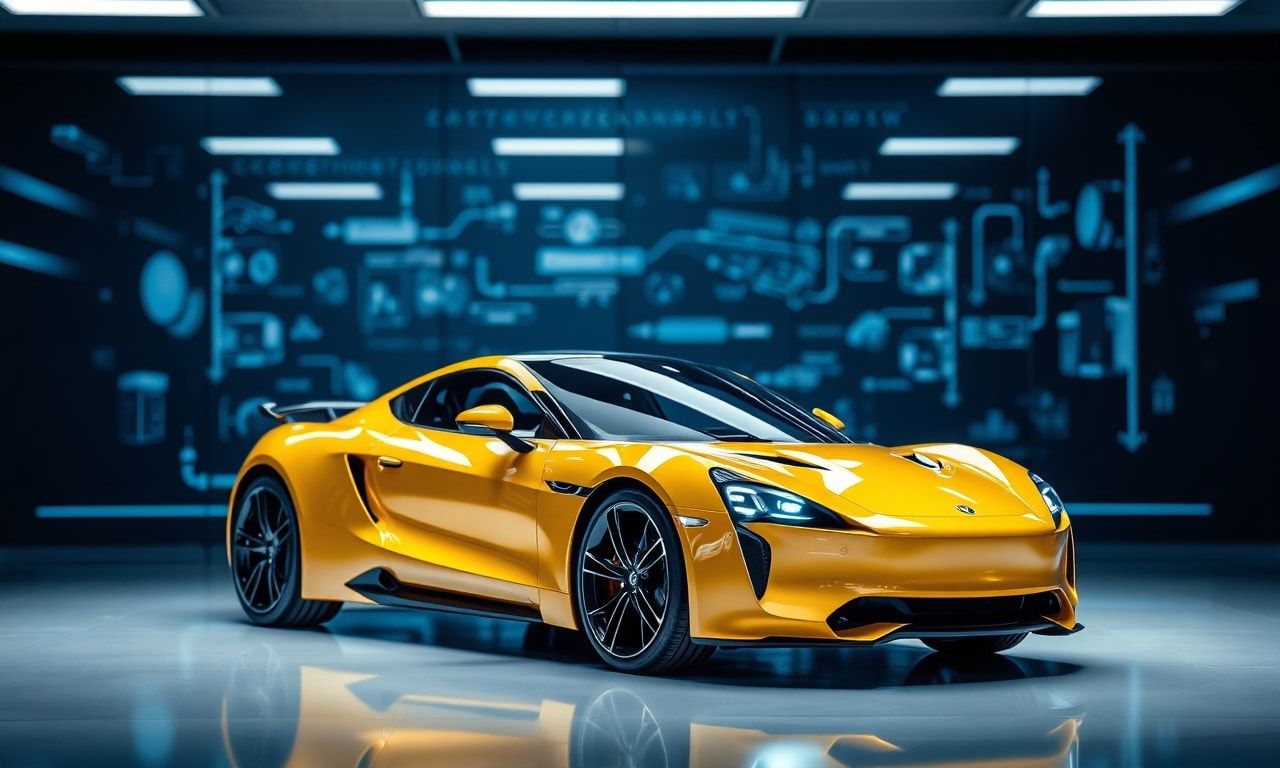
The Evolution of Automotive Technology
The automotive industry has witnessed remarkable advancements over the past few decades. From the invention of the internal combustion engine to the development of electric vehicles (EVs), the journey has been nothing short of revolutionary. Today, we stand on the brink of another significant shift, driven by technological innovations that promise to redefine our driving experience.
Automotive technology is evolving at an unprecedented pace, with a focus on enhancing safety, efficiency, and connectivity. The integration of artificial intelligence (AI), the Internet of Things (IoT), and advanced driver-assistance systems (ADAS) are just a few examples of how technology is transforming the way we interact with our vehicles. As we look to the future, it’s clear that the automotive landscape will continue to evolve, offering exciting new possibilities for car enthusiasts and everyday drivers alike.
The Rise of Electric Vehicles
Electric vehicles have emerged as a major disruptor in the automotive industry. With growing concerns about climate change and the need for sustainable transportation, EVs are gaining popularity worldwide. Major automakers are investing heavily in EV technology, aiming to produce more efficient and affordable electric cars.
One of the key advantages of EVs is their environmental friendliness. Unlike traditional internal combustion engine vehicles, EVs produce zero tailpipe emissions, significantly reducing their carbon footprint. Additionally, advancements in battery technology are extending the range of electric vehicles, making them a viable option for long-distance travel. As the infrastructure for charging stations continues to expand, the convenience of owning an EV is also improving.
The Role of Autonomous Driving
Autonomous driving is another area where significant progress is being made. Self-driving cars, equipped with advanced sensors and AI algorithms, have the potential to revolutionize transportation. These vehicles can navigate roads, avoid obstacles, and make decisions based on real-time data, all without human intervention.
Autonomous driving technology promises to enhance road safety by reducing human error, which is a leading cause of accidents. Furthermore, self-driving cars can optimize traffic flow, leading to more efficient use of road infrastructure. While fully autonomous vehicles are still in the testing phase, the progress made so far is promising, and we can expect to see more autonomous features in cars in the near future.
The Impact of Connectivity
Connectivity is becoming an integral part of modern vehicles. The integration of IoT and 5G technology enables cars to communicate with each other and with the surrounding infrastructure. This connectivity enhances the driving experience by providing real-time information, such as traffic updates, weather conditions, and navigation assistance.
Connected cars also offer a range of entertainment and convenience features. Drivers can access their favorite music, podcasts, and audiobooks through in-car infotainment systems. Additionally, connectivity enables remote diagnostics and over-the-air updates, ensuring that vehicles are always up-to-date with the latest software and security patches.
For those interested in staying updated on the latest technological advancements, including those in the automotive sector, resources like Aktuelle Nachrichten Düsseldorf-Derendorf provide valuable insights and news.
The Future of Car Maintenance
As vehicles become more technologically advanced, the approach to car maintenance is also evolving. Traditional maintenance tasks, such as oil changes and tire rotations, will still be necessary, but the focus will shift towards monitoring and maintaining advanced systems.
Predictive maintenance, powered by AI and machine learning, can detect potential issues before they become major problems. Sensors embedded in various components of the vehicle can monitor performance and alert the driver or the dealership when maintenance is required. This proactive approach can extend the lifespan of the vehicle and reduce the likelihood of unexpected breakdowns.
Conclusion
The future of automotive technology is bright, with exciting innovations on the horizon. From the rise of electric vehicles to the development of autonomous driving and the integration of connectivity, the automotive industry is poised for significant transformation. As these technologies continue to evolve, car enthusiasts and everyday drivers can look forward to a safer, more efficient, and more enjoyable driving experience.
Staying informed about these advancements is crucial for anyone interested in the automotive world. By keeping up with the latest news and trends, drivers can make informed decisions about their vehicles and embrace the future of transportation.
If you’re curious about the future of automotive innovation and urban mobility, explore the vision for Düsseldorf-Derendorf’s 2026 transformation and its implications for the auto industry.
As the automotive industry shifts towards electrification, understanding the journey of electric vehicles is crucial for enthusiasts and professionals alike. Dive into the history and advancements of this transformative technology.
As the automotive industry increasingly shifts online, understanding the latest e-commerce trends can significantly boost your online sales; explore insights in e-commerce strategies for retailers to stay ahead.