
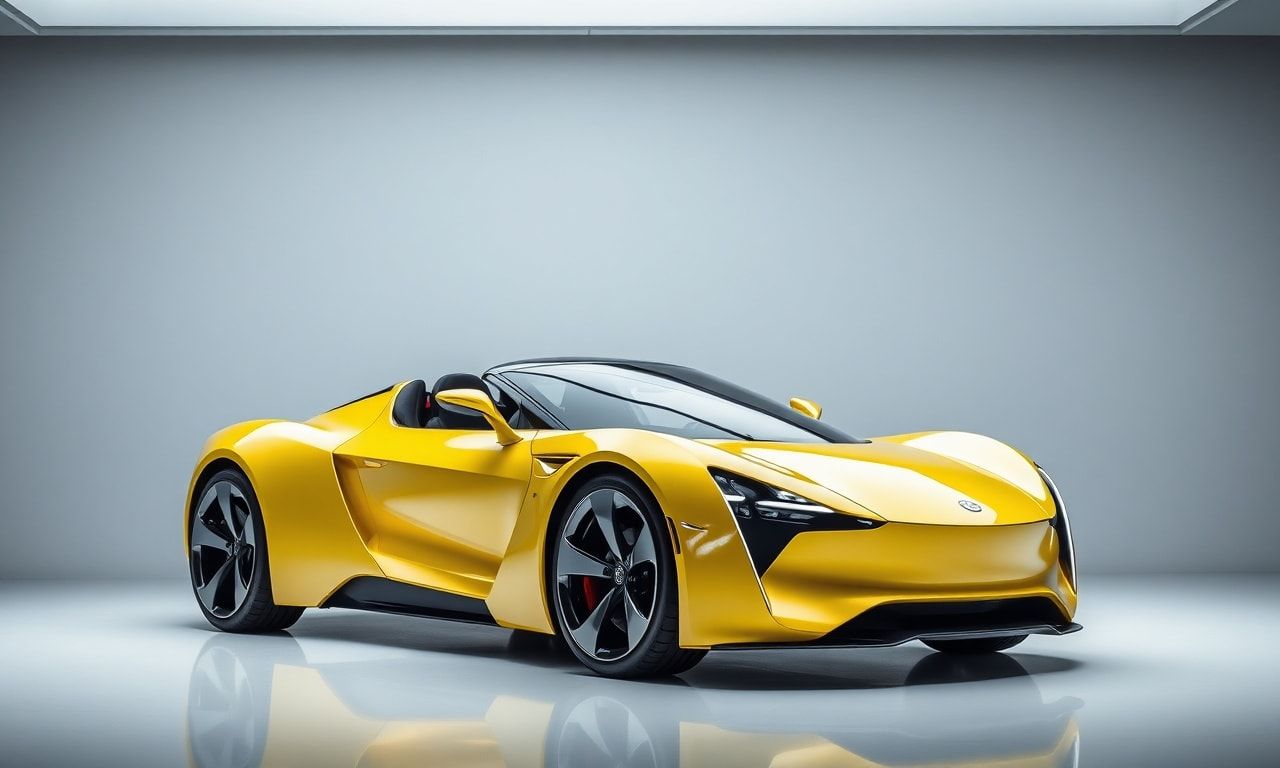
The Evolution of Automotive Design
The automotive industry has always been at the forefront of design innovation. From the sleek lines of classic cars to the futuristic concepts of today, the evolution of automotive design reflects broader cultural and technological shifts. As we look towards the future, sustainability and style are becoming increasingly intertwined, shaping the vehicles of tomorrow.
Sustainability in Automotive Design
One of the most significant trends in automotive design is the focus on sustainability. With growing concerns about climate change and environmental impact, manufacturers are increasingly turning to eco-friendly materials and production methods. This shift is not just about reducing the carbon footprint; it’s also about creating vehicles that are aesthetically pleasing and functional. Sustainable design elements, such as recycled materials and energy-efficient technologies, are becoming standard in many new models.
In addition to materials, the design of vehicles themselves is evolving to be more aerodynamic and efficient. Streamlined shapes and lightweight materials help reduce fuel consumption and emissions, making cars not only more environmentally friendly but also more cost-effective for consumers. This trend is expected to continue, with future vehicles likely to incorporate even more advanced sustainable technologies.
The Role of Technology in Design
Technology plays a crucial role in the future of automotive design. Advances in materials science, 3D printing, and artificial intelligence are revolutionizing the way cars are designed and manufactured. For example, 3D printing allows for the creation of complex, lightweight components that would be difficult or impossible to produce using traditional methods. This technology enables designers to experiment with new shapes and structures, pushing the boundaries of what is possible in automotive design.
Artificial intelligence is also transforming the design process. AI algorithms can analyze vast amounts of data to identify trends and predict consumer preferences, helping designers create vehicles that meet the needs and desires of future drivers. This data-driven approach ensures that new models are not only stylish but also practical and functional.
The Influence of Fashion on Automotive Design
The automotive industry is not immune to the influence of fashion. Just as clothing trends change with the seasons, automotive design is also subject to shifting tastes and preferences. For instance, the rise of minimalist design in fashion has led to a similar trend in car design, with many new models featuring clean lines and simple, uncluttered interiors. This trend is expected to continue, with future vehicles likely to incorporate more minimalist and modern design elements.
For those interested in staying ahead of the curve, resources like Tipps für Frühlingskleider 2026 can provide valuable insights into upcoming fashion trends. While the focus of this resource is on clothing, the principles of style and design are universal, and many of the trends highlighted can also be applied to automotive design.
Customization and Personalization
Another significant trend in automotive design is the growing emphasis on customization and personalization. Consumers increasingly want vehicles that reflect their individual style and preferences, and manufacturers are responding by offering a wider range of customization options. From custom paint colors to personalized interiors, the possibilities are virtually endless. This trend is expected to continue, with future vehicles likely to offer even more options for customization.
In addition to customization, personalization is also becoming an important aspect of automotive design. Features such as adaptive lighting and personalized infotainment systems allow drivers to tailor their vehicles to their specific needs and preferences. This focus on personalization ensures that each vehicle is unique, reflecting the individual style and preferences of its owner.
The Future of Automotive Design
As we look towards the future, the automotive industry is poised for exciting developments in design. Sustainability, technology, and fashion will continue to play crucial roles in shaping the vehicles of tomorrow. With a focus on eco-friendly materials, advanced technologies, and personalized design, the future of automotive design looks bright and promising.
For those interested in staying informed about the latest trends in automotive design, resources like Tipps für Frühlingskleider 2026 can provide valuable insights. While the focus of this resource is on clothing, the principles of style and design are universal, and many of the trends highlighted can also be applied to automotive design. By staying informed and embracing new trends, consumers can ensure that their vehicles are not only functional but also stylish and sustainable.
To ensure your vehicle remains reliable for years, check out essential car maintenance tips that can significantly extend its lifespan.
Delve into the fascinating journey of automotive design and innovation with our latest feature, automotive design’s historical evolution, showcasing how technology and aesthetics have shaped the vehicles we drive today.
To ensure your vehicle’s longevity, consider exploring essential car maintenance principles and practical tips for a lasting automotive investment.