
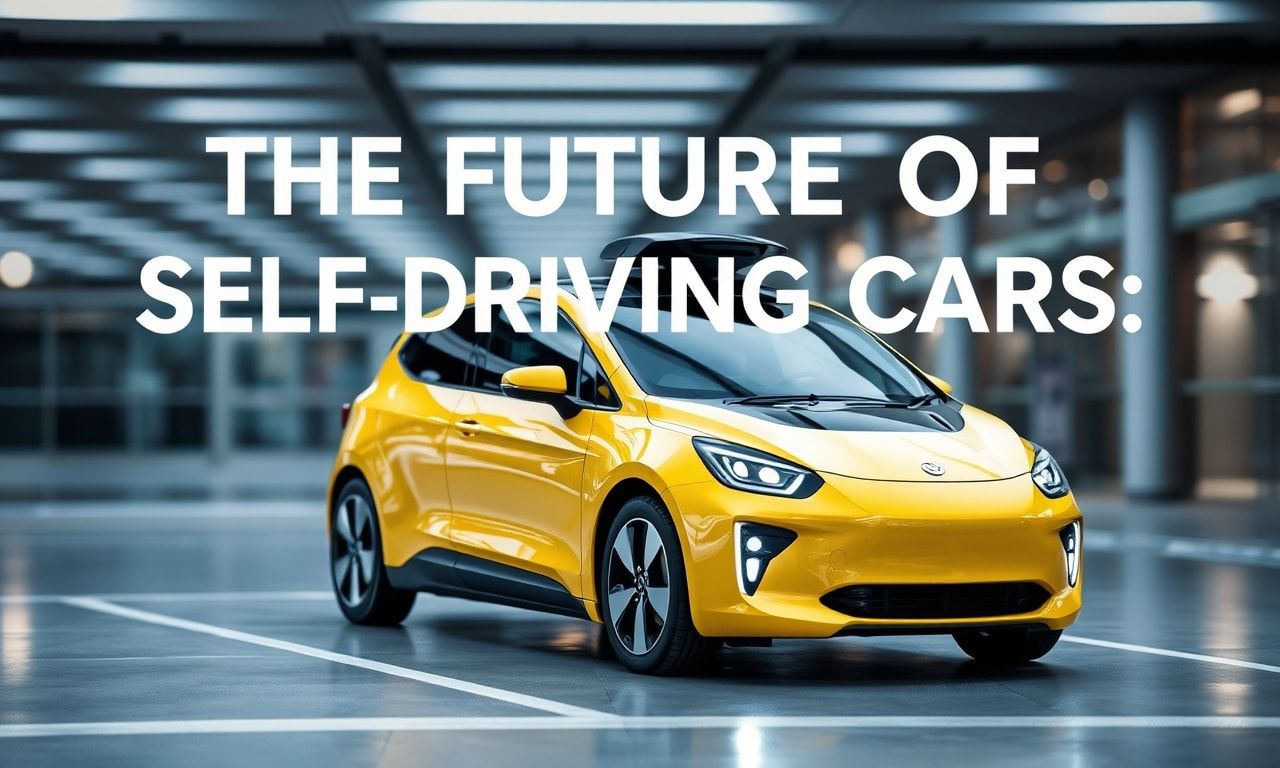
The Evolution of Autonomous Vehicles
The automotive industry has witnessed a remarkable transformation over the past few decades, with one of the most significant advancements being the development of autonomous vehicles. These self-driving cars are no longer a figment of science fiction but a reality that is rapidly gaining traction. The journey towards autonomy began with simple features like cruise control and has evolved into complex systems capable of navigating roads without human intervention.
Autonomous vehicles leverage a combination of sensors, cameras, radar, and artificial intelligence to perceive their environment and make driving decisions. This technology promises to revolutionize transportation by enhancing safety, reducing traffic congestion, and providing mobility solutions for those who cannot drive. As we delve deeper into the future of autonomous vehicles, it is essential to understand the current state of the technology, the challenges it faces, and the potential impact on society.
The Levels of Autonomy
The Society of Automotive Engineers (SAE) has defined six levels of driving automation, ranging from Level 0 (no automation) to Level 5 (full automation). Most vehicles on the road today fall under Level 0 or Level 1, which includes features like adaptive cruise control and lane-keeping assist. Level 2 vehicles can control both steering and acceleration/deceleration, but a human driver must remain alert and ready to take over.
Level 3 vehicles, known as conditional automation, can manage most aspects of driving under specific conditions but require the driver to intervene when the system requests it. Level 4 vehicles offer high automation and can perform all driving functions under certain conditions, although they may still require a human driver for some situations. Level 5 vehicles are fully autonomous and do not require any human intervention, capable of operating in all conditions and environments.
Current State of Autonomous Vehicles
As of now, several companies, including Tesla, Waymo, and Uber, are actively testing and deploying autonomous vehicles in various parts of the world. These vehicles are equipped with advanced sensors and AI algorithms that enable them to navigate complex urban and highway environments. However, the technology is still in its infancy, and there are numerous challenges that need to be addressed before widespread adoption can occur.
One of the primary challenges is ensuring the safety and reliability of autonomous vehicles. While these vehicles have the potential to reduce accidents caused by human error, they must be able to handle a wide range of scenarios, including adverse weather conditions, unexpected obstacles, and complex traffic situations. Additionally, the ethical and legal implications of autonomous vehicles need to be carefully considered, particularly in cases where accidents occur.
For those interested in staying updated on the latest developments in autonomous vehicles and other automotive news, resources like actualizaciones de tráfico en santo domingo provide valuable insights and information on the evolving landscape of transportation technology.
Challenges and Considerations
The path to full autonomy is fraught with challenges that must be overcome to ensure the successful integration of autonomous vehicles into our daily lives. One of the most significant challenges is the development of robust and reliable sensors and AI algorithms that can accurately perceive and interpret the environment. This includes the ability to detect and respond to pedestrians, cyclists, and other vehicles, as well as navigating complex intersections and construction zones.
Another critical challenge is the infrastructure required to support autonomous vehicles. This includes the development of smart roads and traffic management systems that can communicate with autonomous vehicles to optimize traffic flow and reduce congestion. Additionally, the legal and regulatory framework must be updated to accommodate the unique aspects of autonomous vehicles, including liability in the event of an accident and the certification of autonomous driving systems.
Cybersecurity is also a major concern, as autonomous vehicles are vulnerable to hacking and cyber-attacks. Ensuring the security of the data and systems used by autonomous vehicles is essential to prevent unauthorized access and manipulation. This requires the implementation of robust cybersecurity measures and continuous monitoring to detect and mitigate potential threats.
The Future of Autonomous Vehicles
The future of autonomous vehicles holds immense potential to transform the way we travel and interact with our environment. As the technology continues to advance, we can expect to see a gradual increase in the levels of autonomy available in vehicles, ultimately leading to fully autonomous vehicles that can operate safely and efficiently in all conditions.
One of the most significant benefits of autonomous vehicles is the potential to reduce traffic accidents. According to the World Health Organization, road traffic accidents claim over 1.3 million lives each year, with human error being a leading cause. Autonomous vehicles, with their advanced sensors and AI algorithms, have the potential to significantly reduce the number of accidents and save countless lives.
Additionally, autonomous vehicles can help reduce traffic congestion by optimizing traffic flow and reducing the need for parking. This can lead to more efficient use of road infrastructure and a reduction in travel times. Furthermore, autonomous vehicles can provide mobility solutions for those who cannot drive, such as the elderly and individuals with disabilities, enhancing their independence and quality of life.
In conclusion, the future of autonomous vehicles is bright, with the potential to revolutionize the way we travel and interact with our environment. While there are still challenges to overcome, the benefits of autonomous vehicles are immense, and the technology is rapidly advancing. As we move towards a future of autonomous transportation, it is essential to address the challenges and considerations to ensure the successful integration of autonomous vehicles into our daily lives.
If you’re a fan of both cars and culture, you’ll find our feature on sports and cultural influences a fascinating read, as it highlights how global perspectives can drive innovation, much like the automotive industry.
In the fast-paced world of automotive maintenance and innovation, it’s crucial to stay grounded; discover how with mindful living techniques that can enhance your daily routine.
While we’re passionate about the automotive world, it’s fascinating to see how sports have also evolved globally; check out the growth of sports worldwide to understand the parallels in popularity and innovation.