
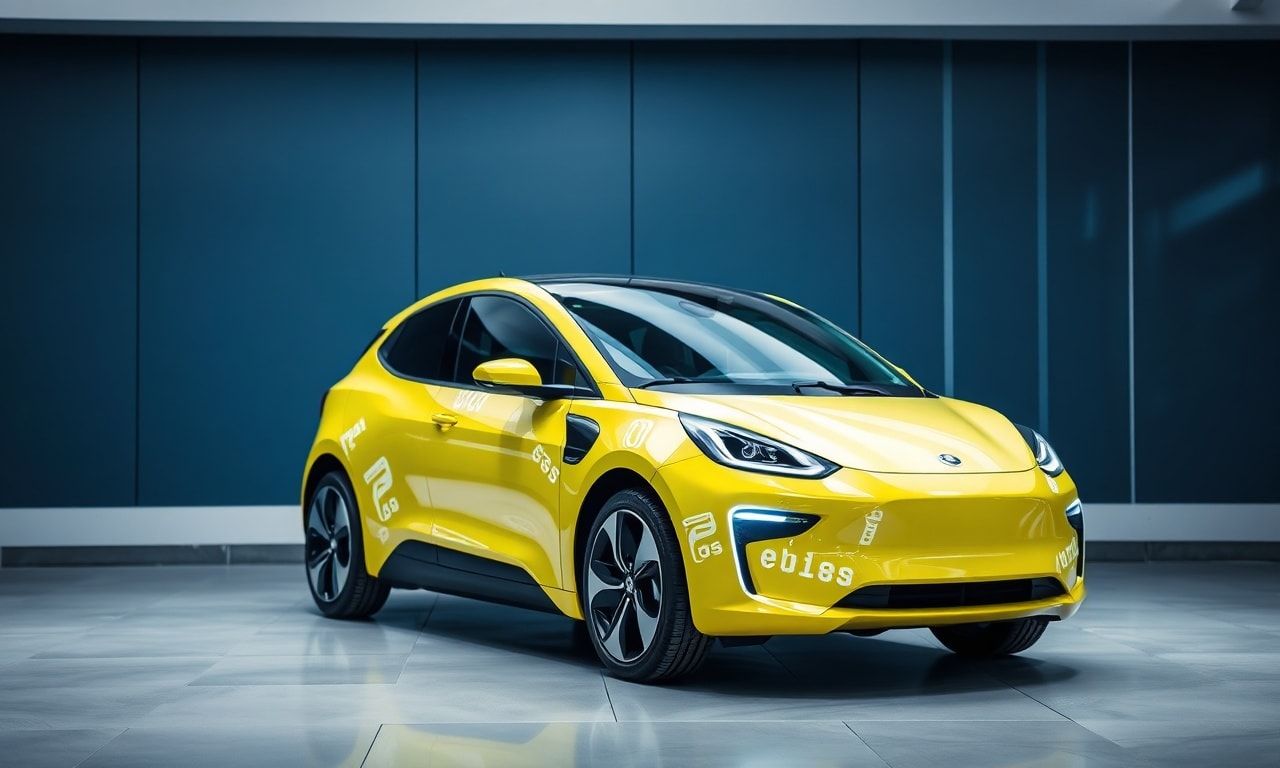
The Rise of Electric Vehicles
The automotive industry is undergoing a significant transformation, driven by the rise of electric vehicles (EVs). This shift is not just about reducing emissions but also about embracing new technologies that promise to revolutionize the way we drive. The demand for EVs is surging, with more consumers opting for these eco-friendly alternatives. This trend is supported by advancements in battery technology, increased range, and a growing network of charging stations.
Manufacturers are investing heavily in EV development, with major players like Tesla, Ford, and Volkswagen leading the charge. The competition is fierce, and the innovations are rapid. From luxury sedans to compact city cars, there’s an EV for every need and budget. The future of transportation is electric, and the journey has only just begun.
The Technology Behind Electric Vehicles
Electric vehicles are powered by electric motors instead of internal combustion engines. The heart of an EV is its battery, which stores the electrical energy needed to power the motor. Lithium-ion batteries are the most common type used in EVs today, known for their high energy density and long lifespan. However, research is ongoing to develop even more efficient and sustainable battery technologies.
The electric motor in an EV is typically more efficient than a traditional engine, converting over 90% of the energy from the batteries to power the wheels. This efficiency translates to lower running costs and reduced environmental impact. Additionally, EVs require less maintenance than their gasoline counterparts, as they have fewer moving parts and no need for oil changes or exhaust system repairs.
The Role of Software in Modern EVs
Modern EVs are not just about hardware; software plays a crucial role in their performance and functionality. Advanced software systems manage everything from battery life to driving dynamics. Over-the-air (OTA) updates allow manufacturers to continuously improve their vehicles, adding new features and enhancing existing ones without the need for a dealership visit.
Software also enables advanced driver-assistance systems (ADAS), which improve safety and convenience. Features like adaptive cruise control, lane-keeping assist, and automatic emergency braking are becoming standard in many EVs. These systems rely on a complex network of sensors and algorithms to provide a safer driving experience. The integration of artificial intelligence (AI) and machine learning further enhances these capabilities, making EVs smarter and more responsive to driver needs.
The Environmental Impact of Electric Vehicles
One of the primary reasons for the shift towards EVs is their environmental benefits. Electric vehicles produce zero tailpipe emissions, which significantly reduces air pollution in urban areas. This is particularly important in cities where air quality is a major concern. By reducing the reliance on fossil fuels, EVs help combat climate change and promote sustainable transportation.
However, the environmental impact of EVs is not just about tailpipe emissions. The production of batteries, particularly the mining of raw materials like lithium and cobalt, raises concerns about sustainability and ethical practices. Manufacturers are increasingly focusing on recycling and responsible sourcing to mitigate these issues. The development of solid-state batteries and other innovative technologies promises to make EVs even more environmentally friendly in the future.
The Role of Charging Infrastructure
The success of EVs depends heavily on the availability of charging infrastructure. While home charging is convenient for many, public charging stations are essential for long-distance travel and urban dwellers without private parking. Governments and private companies are investing in expanding the network of charging stations, making it easier for EV owners to recharge on the go.
Fast-charging technologies are also improving, allowing EVs to recharge to 80% capacity in as little as 20-30 minutes. This is a significant improvement over the early days of electric vehicles, when charging could take hours. The development of wireless charging and battery-swapping technologies could further revolutionize the charging experience, making EVs even more convenient for consumers.
The Future of Electric Vehicles
The future of electric vehicles is bright, with continuous innovations and advancements on the horizon. The automotive industry is committed to making EVs more affordable, more efficient, and more accessible to a broader range of consumers. The integration of renewable energy sources, such as solar and wind power, into the charging infrastructure will further enhance the sustainability of EVs.
Autonomous driving technology is another area where EVs are leading the way. The combination of electric propulsion and advanced software systems makes EVs ideal platforms for self-driving cars. Companies like Tesla are already making significant strides in this area, with features like Autopilot and Full Self-Driving (FSD) capabilities. As these technologies continue to evolve, the driving experience will become safer, more convenient, and more enjoyable.
For those interested in the latest developments in the automotive industry, including player statistics performance review, staying informed is key. The rapid pace of innovation means that new breakthroughs are always on the horizon, and consumers can look forward to a future where electric vehicles play a central role in sustainable transportation.
Conclusion
The rise of electric vehicles represents a paradigm shift in the automotive industry. With their environmental benefits, advanced technologies, and growing infrastructure, EVs are poised to dominate the roads of the future. As manufacturers continue to innovate and improve, the transition to electric transportation will become smoother and more widespread. The future is electric, and it’s an exciting time to be part of this transformative journey.